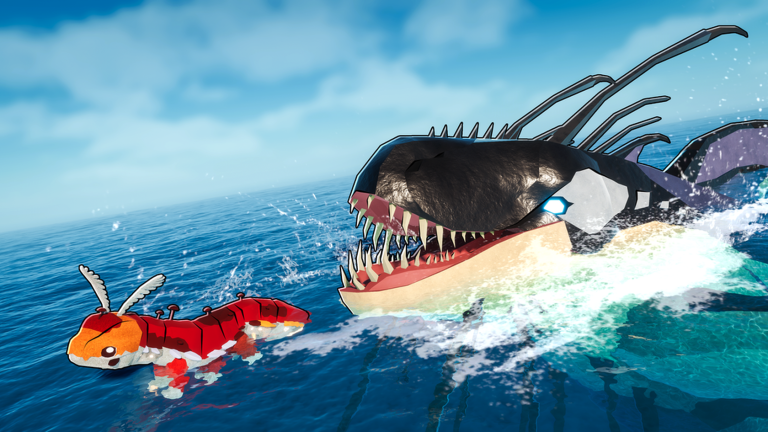
Creatures are the species you spawn, grow, fight, nest and trade in Creatures of Sonaria. Tier affects the size bracket, combat stats, storage cost and gacha pools. Diet and mobility determine whether a species fits life on land, in water or in the air.
Showing 51 of 495 items.
tier
Tier 1 (Tiny)
The smallest size bracket. Tiny species are light on health and weight, grow faster, and cost less storage. They suit learning food chains, testing mobility types, and low-stakes fights where raw bulk does not decide the outcome.
Alkaksu
- Tier
- Tier 1 (Tiny)
- Diet
- Herbivore
- Mobility
- Semi-Aquatic
- Health
- 800
- Damage
- 65
- Weight
- 800
- Obtainment
- Herbivores Gacha and the Semi-Aquatic Gacha
- Availability
- Always
- Status effects
- -
Ani
- Tier
- Tier 1 (Tiny)
- Diet
- Herbivore
- Mobility
- Terrestrial
- Health
- 700
- Damage
- 50
- Weight
- 850
- Obtainment
- Robux Shop for 89 Robux
- Availability
- Robux
- Status effects
- Bleed, Poison/Toxin, Burn, Frostbite, Injury, Necropoison
Apli
- Tier
- Tier 1 (Tiny)
- Diet
- Omnivore
- Mobility
- Semi-Aquatic
- Health
- 1550
- Damage
- 80
- Weight
- 1600
- Obtainment
- Robux Shop for 499 Robux
- Availability
- Robux
- Status effects
- Poison/Toxin
Astrothi
- Tier
- Tier 1 (Tiny)
- Diet
- Nectarvore
- Mobility
- Flier
- Health
- 1550
- Damage
- 40
- Weight
- 800
- Obtainment
- Mission System as a Secret Mission Reward
- Availability
- Mission-gated
- Status effects
- Poison/Toxin
Beezu
- Tier
- Tier 1 (Tiny)
- Diet
- Herbivore
- Mobility
- Flier
- Health
- 1200
- Damage
- 95
- Weight
- 1100
- Obtainment
- Herbivores Gacha, the Sky Gacha, and the Toxic Gacha
- Availability
- Always
- Status effects
- Poison/Toxin
Belluvaraptor
- Tier
- Tier 1 (Tiny)
- Diet
- Omnivore
- Mobility
- Terrestrial
- Health
- 950
- Damage
- 110
- Weight
- 800
- Obtainment
- Omnivores Gacha, the Bleeder Gacha and the Toxic Gacha
- Availability
- Always
- Status effects
- Bleed, Poison/Toxin
Brequewk
- Tier
- Tier 1 (Tiny)
- Diet
- Herbivore
- Mobility
- Flier
- Health
- 1500
- Damage
- 65
- Weight
- 850
- Obtainment
- Herbivores Gacha, Sky Gacha, and Toxic Gacha
- Availability
- Always
- Status effects
- Poison/Toxin
Cantapodi
- Tier
- Tier 1 (Tiny)
- Diet
- Photocarnivore
- Mobility
- Terrestrial
- Health
- 1550
- Damage
- 140
- Weight
- 999
- Obtainment
- Photovore Explorer Gacha
- Availability
- Always
- Status effects
- Bleed
Cottol
- Tier
- Tier 1 (Tiny)
- Diet
- Herbivore
- Mobility
- Terrestrial
- Health
- 1900
- Damage
- 80
- Weight
- 1350
- Obtainment
- Herbivores Gacha and the Toxic Gacha
- Availability
- Always
- Status effects
- Poison/Toxin, Frostbite, Injury
Dalitil
- Tier
- Tier 1 (Tiny)
- Diet
- Photovore
- Mobility
- Flier
- Health
- 1600
- Damage
- 80
- Weight
- 900
- Obtainment
- Event shop for 2,475 Eggs during the Easter Event 2026. 6,750 Eggs or 3,835 Easter Points and 3 Rebirths during the Easter Event 2025.
- Availability
- Seasonal event
- Status effects
- Necropoison
Eulopii
- Tier
- Tier 1 (Tiny)
- Diet
- Herbivore
- Mobility
- Semi-Aquatic
- Health
- 1300
- Damage
- 50
- Weight
- 1450
- Obtainment
- Herbivores Gacha, the Semi-Aquatic Gacha and the Toxic Gacha
- Availability
- Always
- Status effects
- Poison/Toxin
Euvias
- Tier
- Tier 1 (Tiny)
- Diet
- Carnivore
- Mobility
- All-Terrain
- Health
- 1150
- Damage
- 125
- Weight
- 1100
- Obtainment
- Carnivore Gacha, the Sky Gacha, the Semi-Aquatic Gacha and the Bleeder Gacha
- Availability
- Always
- Status effects
- Bleed, Frostbite
Felifaux
- Tier
- Tier 1 (Tiny)
- Diet
- Carnivore
- Mobility
- Terrestrial
- Health
- 900
- Damage
- 150
- Weight
- 900
- Obtainment
- Halloween Event 2026 for 900 Candy in the Halloween Shop
- Availability
- Seasonal event
- Status effects
- Bleed, Necropoison
Fernifly
- Tier
- Tier 1 (Tiny)
- Diet
- Photovore
- Mobility
- Glider
- Health
- 1150
- Damage
- 70
- Weight
- 750
- Obtainment
- Photovore Explorer Gacha
- Availability
- Always
- Status effects
- Poison/Toxin
Flipli
- Tier
- Tier 1 (Tiny)
- Diet
- Herbivore
- Mobility
- Aquatic
- Health
- 1650
- Damage
- 60
- Weight
- 1900
- Obtainment
- Summer Paradise Shop for 7,500 Pearls 700 Pearls after reaching 125,000,000 Pearls globally or by completing its mission
- Availability
- Seasonal event
- Status effects
- Poison/Toxin
Flixlit
- Tier
- Tier 1 (Tiny)
- Diet
- Herbivore
- Mobility
- All-Terrain
- Health
- 1200
- Damage
- 85
- Weight
- 1000
- Obtainment
- Galaxy Explorer Gacha
- Availability
- Always
- Status effects
- Bleed
Frigiboa
- Tier
- Tier 1 (Tiny)
- Diet
- Omnivore
- Mobility
- Semi-Aquatic
- Health
- 1800
- Damage
- 80
- Weight
- 1500
- Obtainment
- Mission System as a Mission Reward
- Availability
- Mission-gated
- Status effects
- Frostbite
Fyluf
- Tier
- Tier 1 (Tiny)
- Diet
- Herbivore
- Mobility
- Glider
- Health
- 1500
- Damage
- 65
- Weight
- 1000
- Obtainment
- Valentines Event 2026 Event shop for 2,250 Roses 250 Roses and 25 Points
- Availability
- Seasonal event
- Status effects
- -
Ghalgeya
- Tier
- Tier 1 (Tiny)
- Diet
- Carnivore
- Mobility
- Terrestrial
- Health
- 1300
- Damage
- 135
- Weight
- 1000
- Obtainment
- Carnivores Gacha, the Bleeder Gacha and the Toxic Gacha
- Availability
- Always
- Status effects
- Bleed, Poison/Toxin
Gurava
- Tier
- Tier 1 (Tiny)
- Diet
- Omnivore
- Mobility
- Semi-Aquatic
- Health
- 1250
- Damage
- 95
- Weight
- 1250
- Obtainment
- Session Gacha
- Availability
- Always
- Status effects
- Poison/Toxin, Injury, Necropoison
Hushike
- Tier
- Tier 1 (Tiny)
- Diet
- Carnivore
- Mobility
- Flier
- Health
- 1750
- Damage
- 100
- Weight
- 1000
- Obtainment
- Carnivores Gacha, the Sky Gacha and the Bleeder Gacha
- Availability
- Always
- Status effects
- Bleed
Ibetchi
- Tier
- Tier 1 (Tiny)
- Diet
- Carnivore
- Mobility
- Terrestrial
- Health
- 1450
- Damage
- 110
- Weight
- 1300
- Obtainment
- Rotation Store as an creature for 11,500 Shooms
- Availability
- Rotation
- Status effects
- Bleed, Burn
Imini
- Tier
- Tier 1 (Tiny)
- Diet
- Herbivore
- Mobility
- Semi-Aquatic
- Health
- 1900
- Damage
- 70
- Weight
- 1400
- Obtainment
- Sweet Explorer Gacha
- Availability
- Always
- Status effects
- -
Jeff
- Tier
- Tier 1 (Tiny)
- Diet
- Omnivore
- Mobility
- Terrestrial
- Health
- 950
- Damage
- 75
- Weight
- 600
- Obtainment
- Omnivores Gacha
- Availability
- Always
- Status effects
- -
Kemoti
- Tier
- Tier 1 (Tiny)
- Diet
- Herbivore
- Mobility
- Flier
- Health
- 1350
- Damage
- 75
- Weight
- 800
- Obtainment
- Herbivores Gacha and the Sky Gacha
- Availability
- Always
- Status effects
- Bleed, Poison/Toxin, Necropoison
Kiiwin
- Tier
- Tier 1 (Tiny)
- Diet
- Photovore
- Mobility
- Glider
- Health
- 1550
- Damage
- 50
- Weight
- 850
- Obtainment
- Photovore Explorer Gacha
- Availability
- Always
- Status effects
- -
Koini
- Tier
- Tier 1 (Tiny)
- Diet
- Herbivore
- Mobility
- Semi-Aquatic
- Health
- 2750
- Damage
- 50
- Weight
- 1650
- Obtainment
- Rotation Store as a creature for 7,500 Shooms
- Availability
- Rotation
- Status effects
- -
Kriffin
- Tier
- Tier 1 (Tiny)
- Diet
- Herbivore
- Mobility
- Flier
- Health
- 1400
- Damage
- 75
- Weight
- 975
- Obtainment
- Herbivores Gacha, the Sky Gacha and the Bleeder Gacha
- Availability
- Always
- Status effects
- Bleed
Kyiki
- Tier
- Tier 1 (Tiny)
- Diet
- Herbivore
- Mobility
- Terrestrial
- Health
- 1000
- Damage
- 115
- Weight
- 950
- Obtainment
- Event Shop for 1,575 Eggs
- Availability
- Seasonal event
- Status effects
- Bleed, Necropoison
Lithumbra
- Tier
- Tier 1 (Tiny)
- Diet
- Carnivore
- Mobility
- Terrestrial
- Health
- 1750
- Damage
- 90
- Weight
- 1350
- Obtainment
- Halloween Event 2026 for 1,400 Candy in the Halloween Shop
- Availability
- Seasonal event
- Status effects
- Poison/Toxin, Necropoison
Mekmek
- Tier
- Tier 1 (Tiny)
- Diet
- Carnivore
- Mobility
- Glider
- Health
- 1400
- Damage
- 105
- Weight
- 800
- Obtainment
- Limited Gacha
- Availability
- Limited rotation
- Status effects
- Bleed
Miik
- Tier
- Tier 1 (Tiny)
- Diet
- Herbivore
- Mobility
- Semi-Aquatic
- Health
- 1650
- Damage
- 65
- Weight
- 1100
- Obtainment
- Herbivores Gacha, the Semi-Aquatic Gacha, and the Toxic Gacha
- Availability
- Always
- Status effects
- Poison/Toxin, Necropoison
Minawii
- Tier
- Tier 1 (Tiny)
- Diet
- Omnivore
- Mobility
- Semi-Aquatic
- Health
- 950
- Damage
- 60
- Weight
- 750
- Obtainment
- Omnivores Gacha, the Semi-Aquatic Gacha, and the Toxic Gacha
- Availability
- Always
- Status effects
- Poison/Toxin, Necropoison
Moonelle
- Tier
- Tier 1 (Tiny)
- Diet
- Herbivore
- Mobility
- Semi-Aquatic
- Health
- 1400
- Damage
- 65
- Weight
- 1050
- Obtainment
- Event Shop for 1,800 Eggs
- Availability
- Seasonal event
- Status effects
- -
Nimoona
- Tier
- Tier 1 (Tiny)
- Diet
- Herbivore
- Mobility
- Aquatic
- Health
- 3250
- Damage
- 75
- Weight
- 1500
- Obtainment
- Herbivores Gacha and the Aquatic Gacha
- Availability
- Always
- Status effects
- -
Pentagloss
- Tier
- Tier 1 (Tiny)
- Diet
- Carnivore
- Mobility
- Flier
- Health
- 2000
- Damage
- 45
- Weight
- 900
- Obtainment
- Artifact Shop for an initial price of 700,000 Shooms, which can be lowered with the use of Shadow Artifacts
- Availability
- Always
- Status effects
- Frostbite, Necropoison
Pero
- Tier
- Tier 1 (Tiny)
- Diet
- Herbivore
- Mobility
- Flier
- Health
- 1600
- Damage
- 130
- Weight
- 650
- Obtainment
- Herbivores Gacha and the Sky Gacha
- Availability
- Always
- Status effects
- -
Prabiki
- Tier
- Tier 1 (Tiny)
- Diet
- Herbivore
- Mobility
- Terrestrial
- Health
- 1250
- Damage
- 140
- Weight
- 1050
- Obtainment
- Herbivores Gacha and the Bleeder Gacha
- Availability
- Always
- Status effects
- Bleed, Injury
Puffwump
- Tier
- Tier 1 (Tiny)
- Diet
- Omnivore
- Mobility
- Terrestrial
- Health
- 725
- Damage
- 115
- Weight
- 750
- Obtainment
- Omnivores Gacha and the Bleeder Gacha
- Availability
- Always
- Status effects
- Bleed
Ralokai
- Tier
- Tier 1 (Tiny)
- Diet
- Carnivore
- Mobility
- Terrestrial
- Health
- 900
- Damage
- 65
- Weight
- 950
- Obtainment
- Carnivores Gacha, the Bleeder Gacha, and the Toxic Gacha
- Availability
- Always
- Status effects
- Bleed, Poison/Toxin
Reverbelle
- Tier
- Tier 1 (Tiny)
- Diet
- Carnivore
- Mobility
- Semi-Aquatic
- Health
- 2200
- Damage
- 70
- Weight
- 1250
- Obtainment
- Timed Mission System during the month of December
- Availability
- Monthly rotation
- Status effects
- -
Rukig
- Tier
- Tier 1 (Tiny)
- Diet
- Carnivore
- Mobility
- Terrestrial
- Health
- 500
- Damage
- 135
- Weight
- 550
- Obtainment
- Robux Shop for 49 Robux
- Availability
- Robux
- Status effects
- -
Scuba Jeff
- Tier
- Tier 1 (Tiny)
- Diet
- Omnivore
- Mobility
- Semi-Aquatic
- Health
- 950
- Damage
- 75
- Weight
- 600
- Obtainment
- Subspecies Mission
- Availability
- Subspecies mission
- Status effects
- -
Shiyaro
- Tier
- Tier 1 (Tiny)
- Diet
- Photovore
- Mobility
- Glider
- Health
- 1350
- Damage
- 110
- Weight
- 1025
- Obtainment
- Photovore Explorer Gacha
- Availability
- Always
- Status effects
- Poison/Toxin, Necropoison
Starlit
- Tier
- Tier 1 (Tiny)
- Diet
- Herbivore
- Mobility
- All-Terrain
- Health
- 1950
- Damage
- 75
- Weight
- 1400
- Obtainment
- Celestial Gacha
- Availability
- Seasonal event
- Status effects
- Burn, Frostbite, Injury
Wystora
- Tier
- Tier 1 (Tiny)
- Diet
- Herbivore
- Mobility
- Terrestrial
- Health
- 1800
- Damage
- 65
- Weight
- 1400
- Obtainment
- Herbivores Gacha
- Availability
- Always
- Status effects
- -
Yiepir
- Tier
- Tier 1 (Tiny)
- Diet
- Herbivore
- Mobility
- Semi-Aquatic
- Health
- 1100
- Damage
- 105
- Weight
- 800
- Obtainment
- Time Points Shop which costs 35 minutes of actively playing the game
- Availability
- Time Draw rotation
- Status effects
- Bleed
Zieti
- Tier
- Tier 1 (Tiny)
- Diet
- Carnivore
- Mobility
- Flier
- Health
- 1300
- Damage
- 80
- Weight
- 1050
- Obtainment
- Fireworks Event 2025 by completing the Zieti Obtainment mission with no monetary cost
- Availability
- Seasonal event
- Status effects
- Burn
Acona
- Tier
- Tier 1 (Tiny)
- Diet
- Photovore
- Mobility
- Terrestrial
- Health
- 1880
- Damage
- 110
- Weight
- 1450
- Obtainment
- COS X LEGO Ninjago: Dragons Rising 2026 by beating the Elemental boss fight, or buying it in the shop on September 11
- Availability
- Event-only
- Status effects
- -
Faraway Felifaux
- Tier
- Tier 1 (Tiny)
- Diet
- Carnivore
- Mobility
- Terrestrial
- Health
- 1100
- Damage
- 150
- Weight
- 900
- Obtainment
- Subspecies Mission
- Availability
- Subspecies mission
- Status effects
- Poison/Toxin
Gubbin
- Tier
- Tier 1 (Tiny)
- Diet
- Herbivore
- Mobility
- Semi-Aquatic
- Health
- 2000
- Damage
- 60
- Weight
- 2000
- Obtainment
- Summer Paradise Event 2026 by completing its mission
- Availability
- Seasonal event
- Status effects
- -
Tiers are your size and power bracket
Tier runs from Tiny through Huge. Higher tiers generally mean more health, bite damage, and weight, plus longer growth times and heavier storage cost. That does not make a Huge species automatically better in every fight: a Tier 1 can still win niche matchups, and a Tier 5 can feel slow or hungry in the wrong biome.
Use tier as the first filter when you pick a main, plan a gacha pull, or shop for a trade. Match tier to the fights you actually take. Storage and growth time punish oversized picks you only spawn once a week.
How obtainment routes work
Most species roll from gacha pools tied to diet or mobility. Death Gacha, Herbivores Gacha, Carnivores Gacha, Semi-Aquatic Gacha, and the Explorer gachas (Galaxy, Photovore, and similar) each hold different species. Pull from the pool that matches the creature you want, not whichever menu you opened first.
Rotation Store and Limited rotation creatures cost Shooms on a timer. They leave the shop when the rotation ends, but player trading often outlasts the window. Robux Shop and Developer Creatures Shop species skip random rolls for a direct purchase. Time Points Shop and Login Shop reward active play or streaks instead of Shoom grinding.
Artifact Shop creatures use Shooms discounted by artifact stacks you farm from missions. Mission System and Timed Mission System rewards gate species behind secret or monthly goals. Subspecies Mission unlocks variant species tied to a base form you already own.
Seasonal events, Warden events, and Role limited species appear only during their window or through creator giveaways. Availability chips on each card flag whether a species is always rollable, rotation-only, event-gated, or trade-only outside its window.
Trading is the quiet bypass. Many event or mission species circulate on the player market long after the original route closes. Check obtainment for the intended route, then decide whether you will grind, wait, or buy from another player.
Gachas vs shops vs missions
| Route type | What you are rolling or buying | Best when |
|---|---|---|
| Diet or mobility gacha | Random species from a themed pool | You want a tier band and are fine with random pulls |
| Death Gacha | Weekly rotating death-themed pool | You are farming deaths anyway and chasing that week's lineup |
| Explorer gachas | Galaxy, Photovore, or other explorer pools | The species you want is documented in that explorer set |
| Rotation Store | Fixed Shoom price, timed shelf | You saved Shooms and the species is currently listed |
| Artifact Shop | Shoom purchase with artifact discounts | You stacked the matching artifact family and picked a shop target |
| Missions and events | Specific unlock requirements | You want one named species and can meet the listed goal |
Diet shapes food and habitat pressure
Carnivore species hunt meat and fit predator play. Herbivore species graze plants and skip meat-only food. Omnivore sits in the middle and tolerates more food types when foraging is tight.
Photovore and Photocarnivore are the light-eating diets. They lean on photosynthesis-style food mechanics instead of classic meat-or-plant loops. If you keep starving in a new biome, diet mismatch is often the culprit, not your tier. Geovore species can eat pebble, rock, boulder, and geode food sources. Nectarvore species can eat Nectarvore foods such as flowers and Ambrosia.
Mobility decides where you can actually live
Terrestrial species stay on land. Aquatic and Semi-Aquatic species need water access for stamina, combat, or escape routes. Flier and Glider species cover air mobility, with gliders trading sustained flight for glide bursts. All-Terrain species handle mixed maps with fewer hard terrain stops.
Mobility matters as much as raw damage when you pick a daily main. A strong terrestrial carnivore still struggles in deep ocean zones, and a flier with low stamina bleeds altitude fast under pressure.
Reading the stat chips
Health, damage, and weight are recode baseline values at fully grown form. Stamina and growth time help compare endurance and how long a run takes to mature. Status effects on a card call out notable bleed, toxin, poison, or extra combat tags sourced from the species kit.
These numbers do not include player-side modifiers from traits, mutations, or mid-fight buffs. Use them to compare species within the same tier band, then layer abilities and passives from the creature abilities reference when you plan serious matchups.
Subspecies and wardens
Subspecies are separate playable species with their own stats and obtainment, usually through Subspecies Mission after you unlock the base form. Treat them as full roster entries, not cosmetic reskins.
Warden species tie to warden events and boss-tier progression. They often sit in the upper tiers and carry event or warden rotation availability. Expect stricter windows than a standard gacha pull.
Browsing by tier section
Species are grouped into five tier sections from Tiny through Huge. Each section continues across multiple pages, so use tier filters, diet chips, and mobility chips to narrow the list instead of scrolling every page in one sitting. Both views have the same fields, and the table also adds stamina and growth time for side-by-side stat scans.
Legacy-only creatures from the old ruleset are not included here.
Common mistakes
- Pulling the wrong gacha because the species name sounded close. Match diet and mobility to the documented pool before you spend tokens.
- Ignoring availability on event species. Rotation and event-only species disappear from shops even when trades still exist.
- Comparing juveniles to adult baselines. Card stats assume fully grown form; early-life fights feel weaker than the numbers suggest.
- Skipping food fit. A top-tier carnivore still starves if the biome lacks meat you can reach.
- Burning artifact stacks early. Artifact Shop purchases consume your whole artifact family. Save stacks until you commit to one shop creature.
- Confusing subspecies with mutations. Subspecies are separate species with their own unlock. Mutations are cosmetic overlays on a creature you already own.
Small species step up in bite and health without jumping to boss-scale weight. Many starter-friendly and Robux shop picks live here. Good band when you want more punch than Tiny without committing to long growth timers.
The middle tier where diet, mobility, and ability kits diverge the most. Medium species trade between fliers, semi-aquatics, and terrestrial bruisers at similar size cost. Compare here when you want a daily main with flexible matchups.
Large species bring heavy health pools, strong bite values, and higher weight that wins head-on trades. Growth takes longer and storage bites harder. Pick Large when you plan to hold territory, not when you need a quick hop-in alt.
The top size bracket, including many warden and prestige species. Huge creatures hit the hardest and weigh the most, but stamina, hunger, and growth time punish careless picks. Best for players who want anchor species and can feed the upkeep.
FAQ
What do creature tiers mean in Creatures of Sonaria?
Tier is the size bracket from Tiny through Huge. It groups species by general scale and combat baseline: health, damage, weight, growth time, and storage cost all climb as tier rises. Tier helps you compare fair matchups and pick gacha targets, not declare one species universally best.
What is the difference between carnivore, herbivore, and photovore diets?
Carnivores hunt meat. Herbivores eat plants. Omnivores tolerate both. Photovores and photocarnivores use light-based food mechanics instead of classic meat-or-plant loops. Diet controls what food keeps you alive in each biome, so it matters as much as combat stats when you pick a main.
How do mobility types affect which creature I should pick?
Mobility marks where a species actually moves well: land, water, air, or mixed terrain. Terrestrial species struggle in deep water. Aquatic and semi-aquatic species need water routes. Fliers and gliders cover air escapes and map crossing. Match mobility to the biomes and fights you run daily.
What are subspecies and how are they different from the base creature?
Subspecies are separate playable species with their own stats and obtainment, usually unlocked through Subspecies Mission after you own the base form. They are full roster entries, not cosmetic variants. Compare their cards independently when you plan unlocks or trades.
How do gachas work for getting creatures?
Gacha pools group species by theme such as diet, mobility, death rewards, or explorer sets. You spend the pool's currency for a random roll from that list. Check the obtainment line on the species you want so you pull from the correct gacha instead of a similarly named menu.
What is the Artifact Shop and how does it relate to artifacts?
Artifact Shop creatures cost Shooms at a base price discounted by artifact stacks you earn from missions. Each artifact type lowers matching shop prices, and buying consumes the artifacts you used. Farm the artifact family tied to the shop creature you want before you commit Shooms.
Do the health and damage numbers include traits or mutations?
No. Card stats show recode baseline values at fully grown form without player traits, mutations, or mid-fight buffs. Use them to compare species within a tier, then read abilities and passives separately for kit depth.
Can I get event or mission creatures after their window closes?
Often yes through player trading, even when shops and missions no longer offer the species directly. Availability chips show the official route status. Trading bypasses many gates, but prices and supply are player-driven, not fixed shop costs.
Why are creatures split across several pages?
Species are grouped by tier section from Tiny through Huge, and each section spans multiple pages for easier loading. Use tier, diet, and mobility filters to narrow the list, or switch to table view when you want stamina and growth time in one scan.