

You summon anime-style units, place them on a path, and stop waves before they reach your base. In a stage you spend Yen to place and upgrade towers, sell bad placements, and set who each unit focuses. Between stages you live in the lobby: finish the Beginner Path, pull banners with Gems, clear Story maps for rewards, then spend gold and evolution sprites on the units you actually play.
The long climb is loadout work, not endless filler upgrades. Secret summons open once your account is high enough (around level 10). Traits, equipment, and harder modes like Challenges, Infinite, Raids, Tournaments, and Expeditions all sit on top of a small core team. Redeem codes in the in-game codes UI when you have them, then put free resources into Story progress and the board that already clears stages.
- Creator
- Expeditions Entertainment
- Game Created
- April 28, 2025
- Last Updated On
- October 11, 2026
- Age Requirement
- All Ages
- Genre
- Strategy
- Subgenre
- Tower Defense
- Supported Devices
- DesktopMobileTabletConsoleVR
Checked and verified on October 22, 2026
Clash!You get 500x Defense Credit and 50x Trait Crystal
BrothersYou get 20x Equipment Reroll, 10x Equipment Lock, and 10x Stat Reroll
HollowWorldYou get 50x Trait Crystal
Game data
Maps:
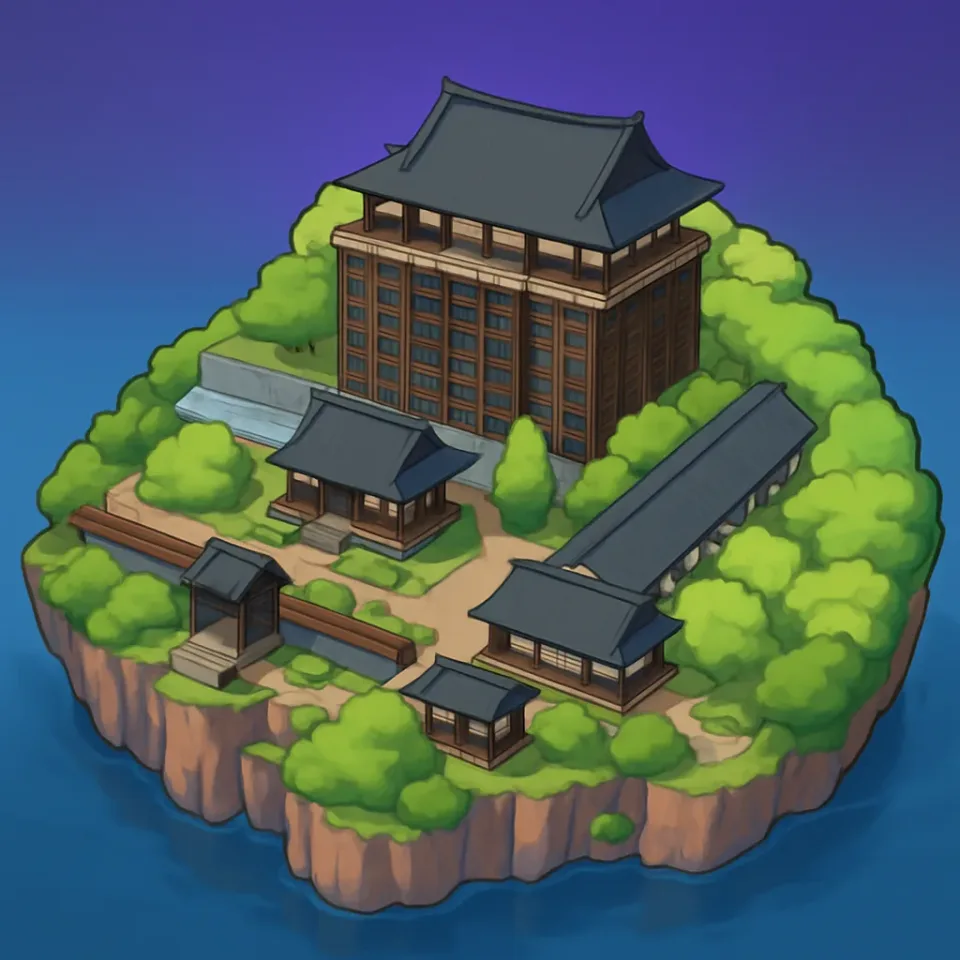
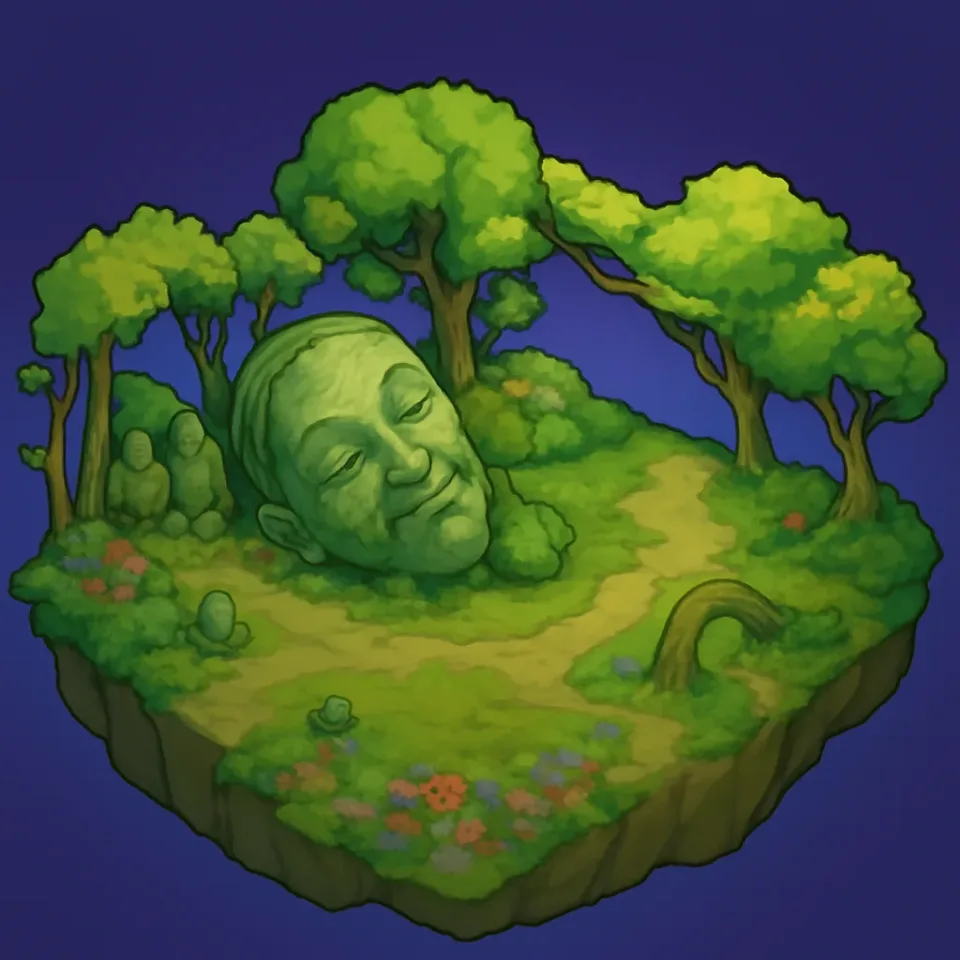
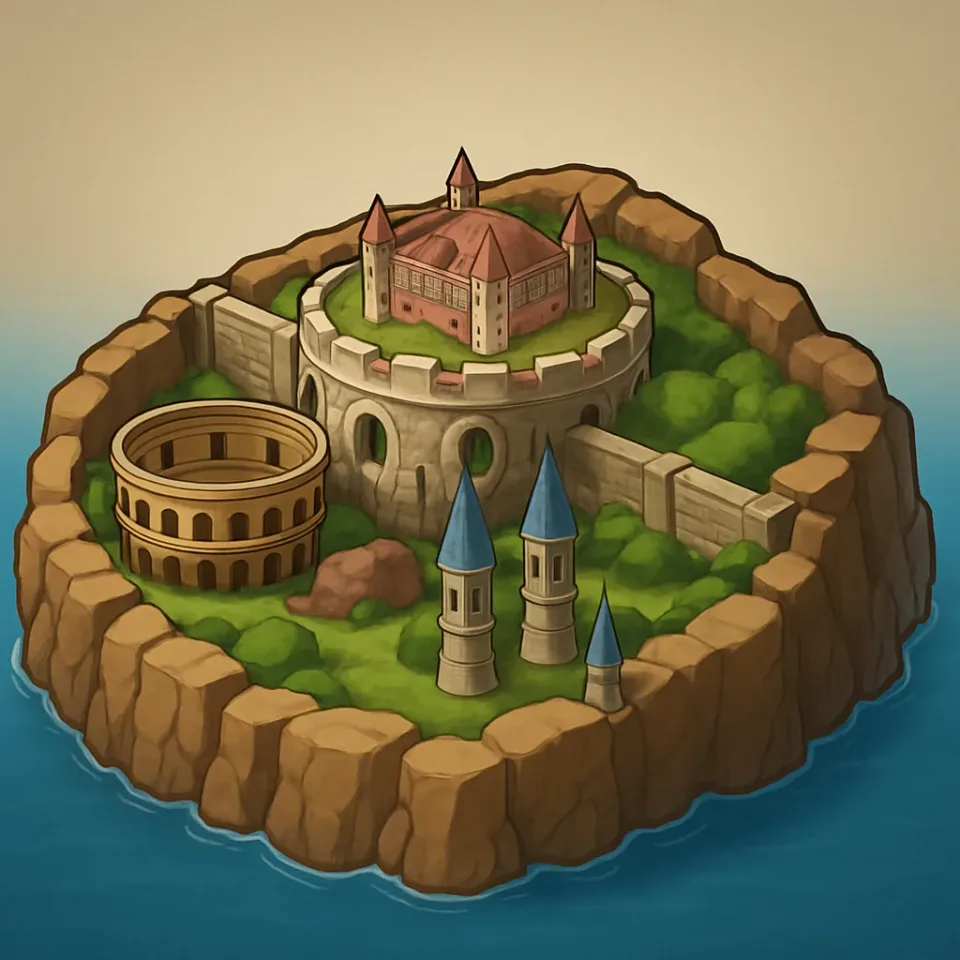
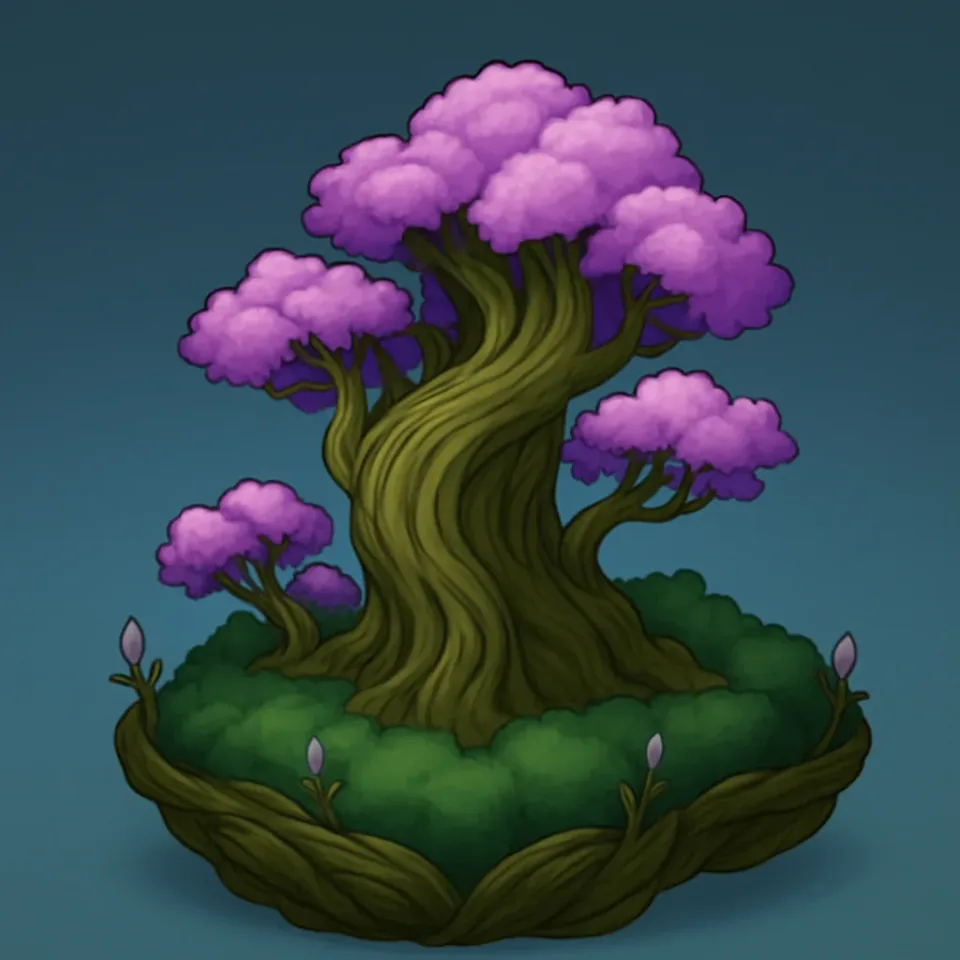
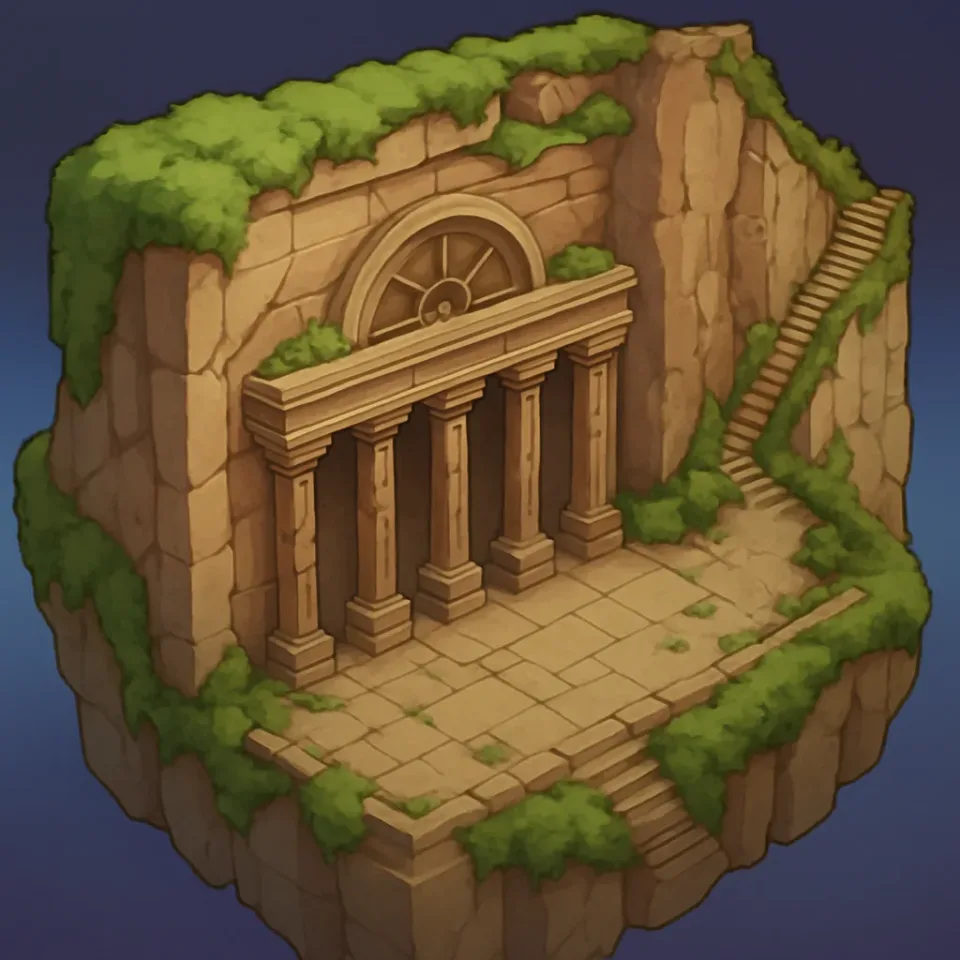
Story maps are the main zones you clear and farm in Anime Expeditions. Each map unlocks after you finish every act on the previous one, and Challenge Mode reuses the same map names with harder modifiers. Pick a map for its food feed, standard gear piece, and unit exclusive equipment, then run Mastery for exclusives (5% with 20 pity) or craft those pieces at Armory Forge.
Equipment:
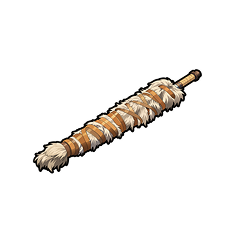
Equipment is the gear you slot onto units for permanent stat boosts and, on exclusives, unique combat passives. Standard pieces mostly craft at the Armory (with early Story map drops still in the mix); a few standards even carry passives like Bleed amp or cooldown cuts. Unit-specific pieces lock to an evolved form: launch exclusives usually come from Mastery farms or the Armory Forge, while newer ones sit in Crow Hideout or the Villain Invasion Shop. Chase better rolls with Equipment Reroll and hold good ones with Equipment Lock.


Traits:
Traits are the single passive each unit rolls in Anime Expeditions. Spend Trait Crystals at the lobby Trait Reroll stand to replace a unit’s trait with a new chance-based passive, from small early bonuses up to mythic packages with pity. Match traits to the job: Unbound for one-slot carries (Single Placement), Primordial for flexible carries, Forsaken for crit, Draconic for DoT, Investor for money-farm income, and Enlightenment only while leveling.
Items:
Inventory items are the stackable resources that keep Anime Expeditions moving: Gems and Gold for summons and shops, mode tokens for raid, event, and Villain stores, sprites for crafting and evolutions, food for unit XP, and rerolls for traits, stats, and gear potentials. Expeditions add Fuel Cell, map mats, and Geodes for the hub, Armory, and Drill. You earn most of them from story, challenges, raids, tournaments, shops, unit quests, and Villain Invasion, then spend them to level, evolve, and polish the units you keep. Special evolution materials come from unit trials or the Villain Event Shop and sit next to sprite costs when you open Evolve.




Units:
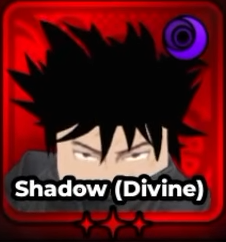
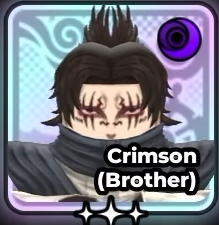
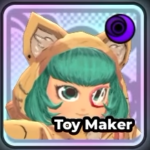
Units are the summonable fighters you place on the path in Anime Expeditions. You pull most from banners, grab some from raids or limited event banners, upgrade them during waves, and evolve some into stronger forms with sprites, gold, and special items. Rarity, element, and Physical vs Magical damage type decide who buffs whom, while passives and actives cover damage, stall, farm, and summons. Comparing kits is how you build a board that clears stages instead of stacking the same job five times.


Modifiers:
Modifiers are the Stage Effects rules in Anime Expeditions. Game Modifiers change the whole run (no farms, faster enemies, cycling elemental Resistance, upgrade caps, and similar). Enemy Modifiers tag enemy groups with effects like Sprinter, Commander, Veil, Cage, or Regen so you can counter the pack before you deploy. Read both lists in stage info, then rebuild the team around disabled tools and the tags that actually appear.



Elements:
Elements are the typed identity on every Anime Expeditions unit. Combat Elements set the damage type you push into Resistance, Mirror, and enemy resist stages, while Farm earns Yen each wave and gets disabled by No Farms. Each unit has exactly one Element and also carries an Archetype, so you mix types for modifier coverage instead of stacking a single Element.



Status Effects:
Status effects are the combat keywords Anime Expeditions kits apply to enemies: DoTs that tick damage, soft CC that slows or interrupts, hard CC that freezes, stuns, or rewinds pathing, and marks that set up kit triggers like Crow's Illusion or Puppet's damage amp. Durations, ticks, cooldowns, and stack caps decide whether two units help each other or waste the same bracket. Learn the keyword on a unit card and you already know what happens on the path.
Archetypes:
Archetypes are the Physical, Magical, and Psychic damage types on every Anime Expeditions unit. Physical stacks with The Hero and Magical with Forbidden Teacher, but both can gain or lose power from stage modifiers. Psychic skips those typed stage debuffs and has no dedicated damage buffer, so you bring it for consistency and control when stages punish the other two. Build Archetype and Element together; they answer different questions on the same card.



Gamemodes:
Play UI gamemodes decide what you farm in Anime Expeditions. Progressive modes cover Story clears, rotating Challenges, Level 20 Expeditions, and Level 25 Raids. Competitive modes chase weekly Tournament Crowns and Global Tournament Infinite seasons. Sandbox is a testing room with no progression loot. Pick a mode for its unlock gate and reward loop, not for map drop tables (those live on Maps).
Enemies:
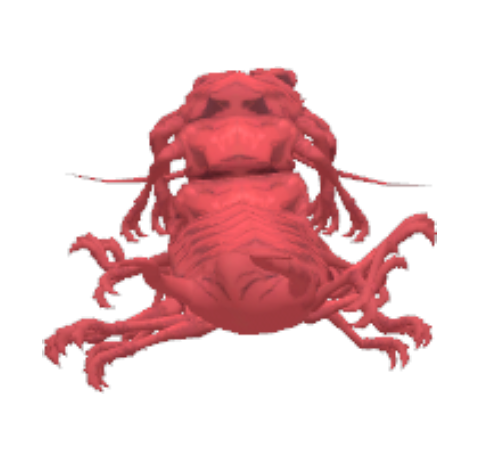
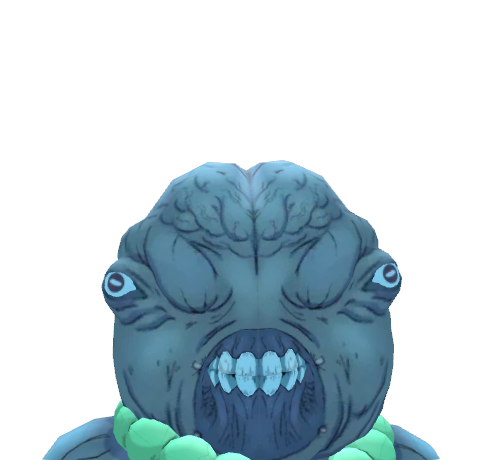
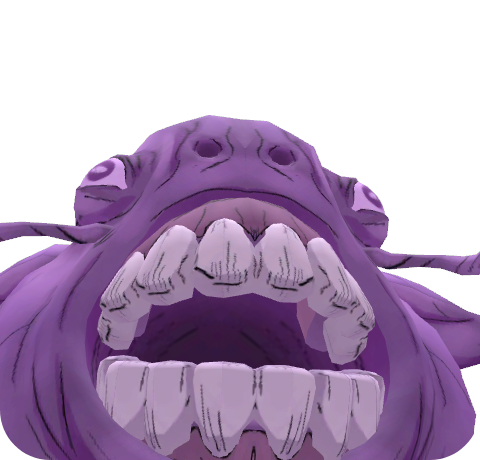
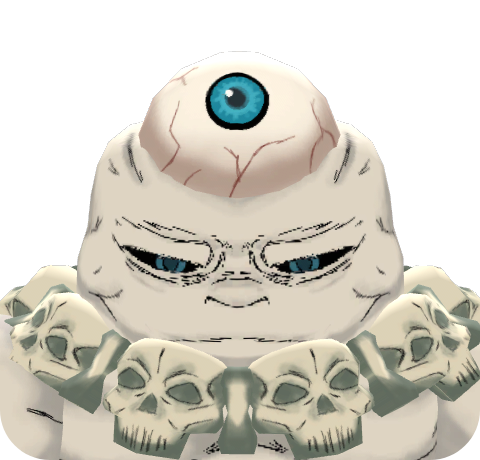
Enemies are the named foes you fight on Story maps and in Spirit City Raid. Each one is typed Basic, Elite, or Boss, and that type sets Enemy Index unlock chance plus Gem or Trait Crystal rewards. Story enemies follow the map unlock chain; Spirit City is Raid-only. Health scales by stage and mode, so compare Type, map, and modes when you plan clears or Index farming.

Skins:
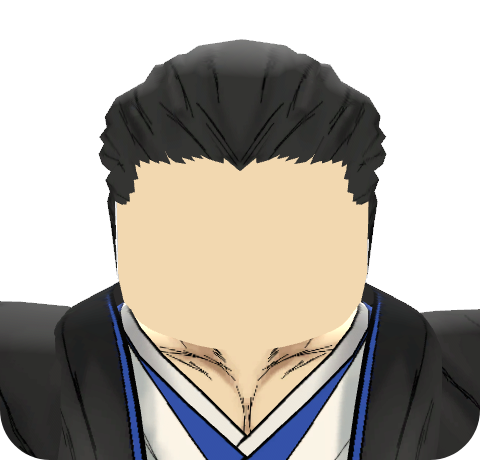
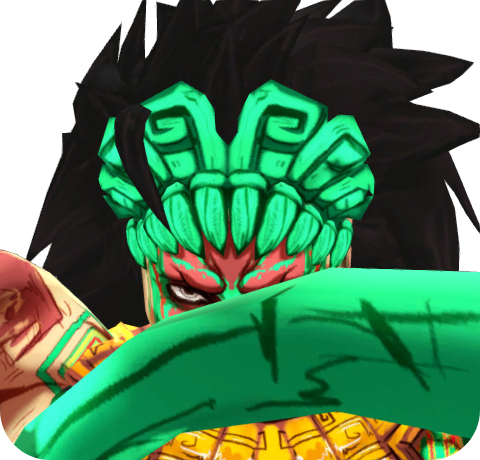
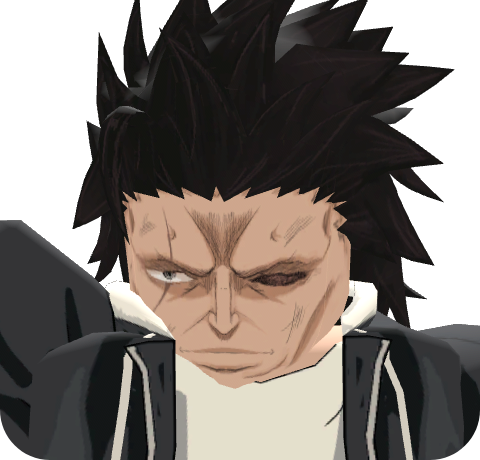
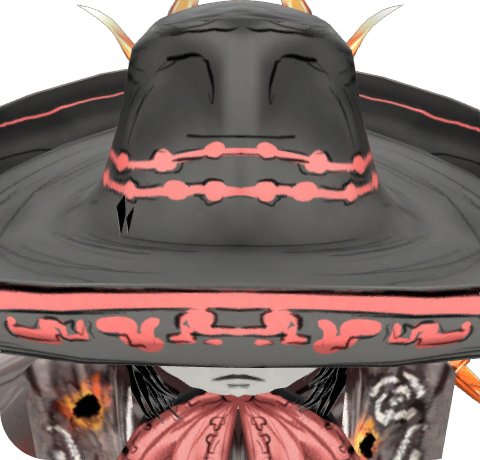
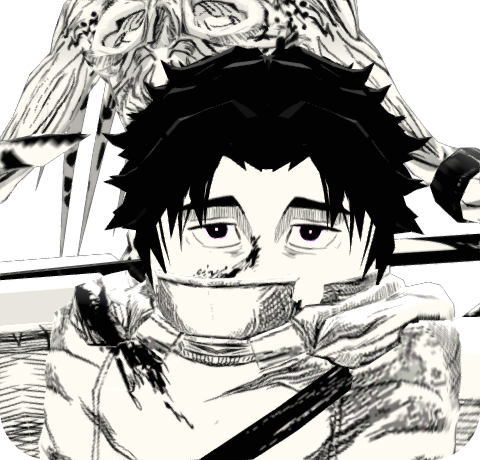
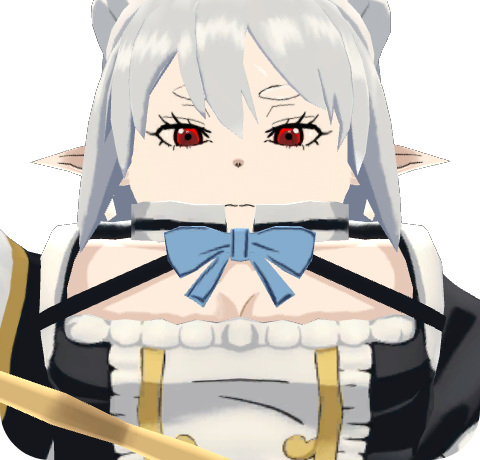
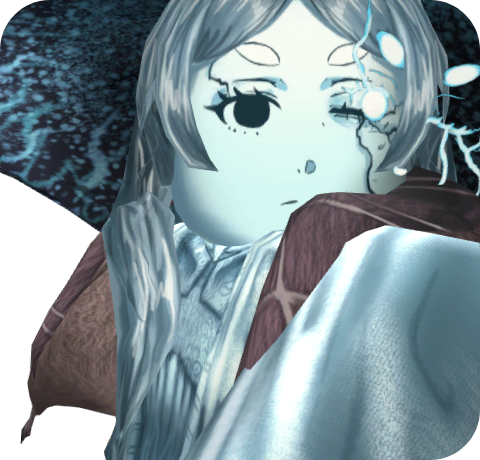
Skins are cosmetic outfits for Anime Expeditions units. They change the model only, never combat stats. Most skins lock to one unit or its evolved form and come from limited bundles, banners, battlepasses, tournaments, or events. Hazmat Skin and Player Skin are global and can equip on any unit from the Skins inventory menu.
Expedition Buildings:
Expedition Buildings form the permanent Hub that opens with Expedition mode at player level 20. They turn Expedition Coins, Fuel, Scrap, objectives, and time into research bonuses, Gold, Geodes, equipment, rewards, shop materials, or unit training. Upgrade the Expedition Center when it blocks the building that solves your next progression problem.
Stat Potentials:
Stat Potential rolls Damage, SPA, and Range separately for each unit. Damage and Range prefer positive percentages, while SPA prefers a negative percentage because it shortens the time between attacks. Stat Locks preserve a strong result while you reroll weaker stats, making the choice of what to keep part of the upgrade plan.
Banners:
Banners are summon channels with different currencies and roster goals. Beginner builds an early team, Standard offers a broad pool, Mini focuses on a rotating featured target, and Villain belongs to a limited event. Current rates, counters, and carry-over rules come from the in-game Rates panel for the banner being used.
Shops:
Shops use separate currencies for general progression, rerolls, Raids, Spirit City, Tournaments, Expeditions, and events. Permanent shops can still have limited or rotating shelves, while Sentaku and Event Shop depend on live timing. Match the currency first, then read the in-game stock, cap, reset, and carry-over details before spending.
Collectibles
Achievements:
Achievements sit under Quests in Anime Expeditions. You clear milestones across Collector, Expeditions, Raid, Secrets, and Story tabs, then claim Gems, Gold, Trait Crystals, Expedition Coins, titles, and profile banners. They are separate from Roblox platform badges. Use them when you want free resources and cosmetics tied to roster depth, Hard Story clears, Expedition challenges, and Secret pulls.
Anime Expeditions Gameplay Tips
- Finish the Beginner Path early and spend Beginner tickets on the Beginner Banner before dumping Gems across every banner.
- Clear Story Mode first so maps, gems, and materials unlock in order. Branch into Challenges and other modes after a real team exists.
- Save Trait Crystals for units you will keep (strong Mythics, Exclusives, Secrets). Rerolling fillers burns crystals you need later.
- Evolve the units that already carry your clears, then equip them. Prefer one Physical or Magical board plan so aura supports actually help, and add one control tool before stacking three pure damage units.
Anime Expeditions Events
Recent updates, live events, and completed event history for Anime Expeditions.
Update 3.5
CompletedStarts (PT): Oct 7, 2026, 2:36 PM.Ends (PT): Oct 16, 2026, 9:00 AM
UPDATE 3.0
CompletedStarts (PT): Sep 25, 2026, 12:00 PM.Ends (PT): Oct 5, 2026, 8:45 PM
Update 2.5
CompletedStarts (PT): Sep 7, 2026, 11:35 AM.Ends (PT): Sep 7, 2026, 12:15 PM
UPDATE 2.0 [SUMMER]
CompletedStarts (PT): Aug 30, 2026, 10:00 PM.Ends (PT): Sep 11, 2026, 9:00 AM
Dragon's Wish Event
CompletedStarts (PT): Aug 10, 2026, 6:55 AM.Ends (PT): Aug 21, 2026, 2:21 AM
Update 1.0
CompletedStarts (PT): Aug 9, 2026, 5:00 PM.Ends (PT): Aug 21, 2026, 9:00 AM
Update 0.5
CompletedStarts (PT): Jul 25, 2026, 9:00 AM.Ends (PT): Aug 1, 2026, 9:00 AM