

Replay value in an obby is more than a big stage number. The best reasons to retry are a different tower, a cleaner time, a harder route, a new community map, a role swap, or a movement trick you still have not nailed. These picks cover all of those loops, from punishing solo climbs and rising-water escapes to player-made courses, ranked races, and one very literal fall.
I ranked them as recommendations, not as a live-player leaderboard. A few games need a full server or a healthy map pool to show their best side, and the authored courses reward practice rather than endless layout changes.
1. Tower of Hell
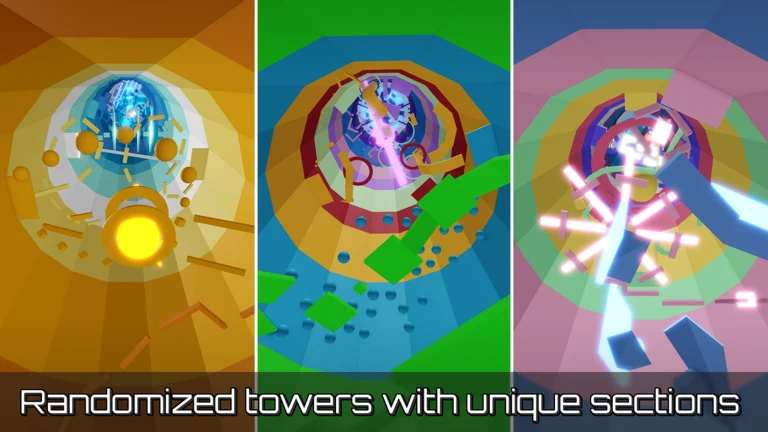
Tower of Hell is the cleanest answer to the question of why an obby is worth replaying. You enter a shared tower, race the clock, and read each jump before committing to it. The sections are generated for the round, so the route changes, but the no-checkpoint rule never does. Miss a jump and you can lose the climb you just built.
That harsh reset gives every attempt a clear job. Learn the shape that caught you, move the camera earlier, then try to keep the next run alive for longer. Coins, wins, gear, and round modifiers give you extra goals, but the movement test carries the game. Touch and controller play are possible, though precise camera work is more demanding. Pick this one when a failed run makes you want to try again immediately.
Tower of Hell
2. Flood Escape 2

Flood Escape 2 gives the replay loop a team. Players move through a selected map, hit buttons to open the route, and jump, swim, slide, wall-jump, dive, or zipline while water, acid, or lava rises behind them. A successful escape is satisfying, but it also teaches you where the route turns ugly when the group is late to a button.
The game lists more than 150 community-made maps, along with abilities, modifiers, events, and badges. That is a lot of repeat fuel, though community supply comes with uneven quality. Under-filled servers can also make group buttons awkward. Touch controls make wall-jumps and slide timing less forgiving, so friends on a larger screen have an edge. This is the strongest pick here for players who want an obby where communication matters as much as jumping.
Flood Escape 2
3. Speed Run 4
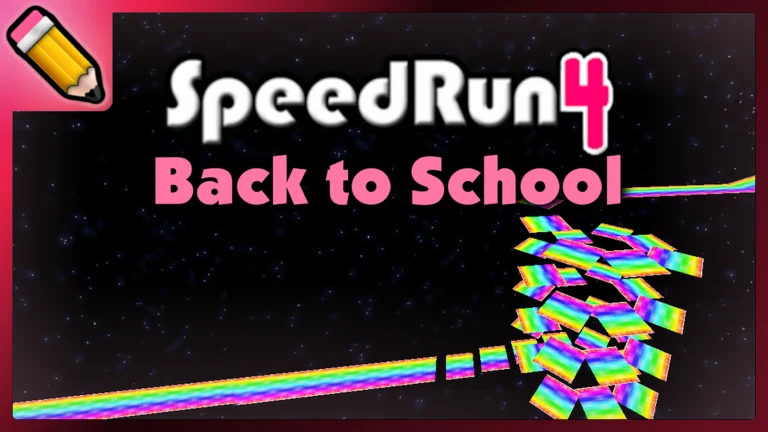
Speed Run 4 has a wonderfully readable repeat loop. Pick an authored level, start moving, watch the timer, and decide where you can trade a little safety for speed. The levels have their own themes and songs, while races, stars, forbidden levels, and dimensions give you reasons to keep clearing more of them.
The geometry does not reshuffle between attempts, and that is fine. The fun is in finding a cleaner line through a route you already know, then shaving time without turning the final jump into a gamble. It is a good solo option for players who want speedrun practice without the pressure of a shared tower. Keyboard or controller is the easier way to handle the pace. Mobile play can work, but the camera and fast jumps ask more of your thumbs.
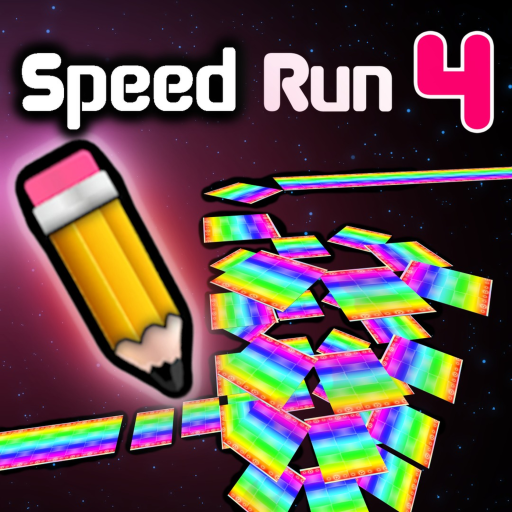
Speed Run 4
4. Obby Creator
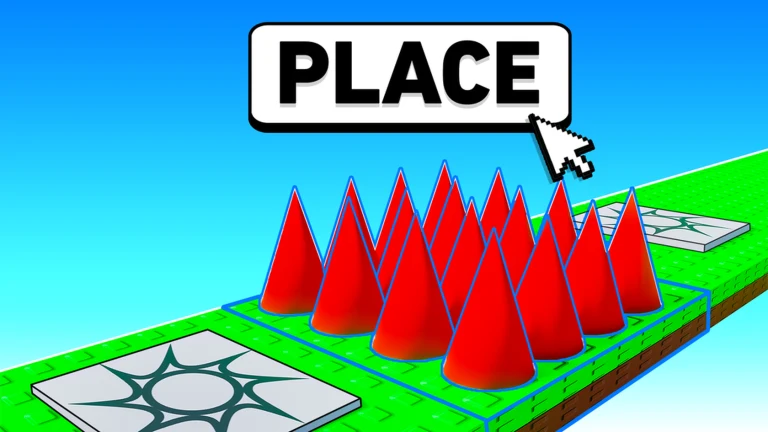
Obby Creator turns replay value into a building job. Claim a plot, open edit mode, place parts, move or rotate them, test the route, and publish it when the jumps make sense. You can also skip the editor and browse featured, liked, and player-made obbies. That gives you two good ways to play: make a course people want to finish, or keep looking for the next strange idea someone else built.
The community library is the reason this belongs so high. A course can be revised after players struggle with it, and likes give creators a reason to improve their work. Quality varies because the supply comes from players, not one studio campaign. Editing on a phone is more cumbersome than on a larger screen, and optional paid editor features or extra slots can change over time. The game has had recent editor and mobile fixes, but do not expect every menu or part limit to stay the same.
Obby Creator
5. Eternal Towers of Hell
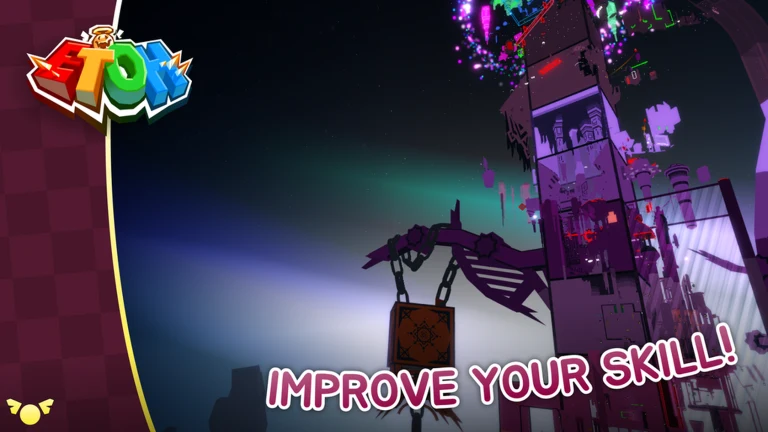
Eternal Towers of Hell is for the player who looks at a difficulty chart and wants to work upward through it. Start in the tutorial realm, Ring 0, or Purgatorio, choose an easier tower, and learn the game's floor-by-floor movement language. The point is not to rush through one climb. It is to clear a tower, record your hardest win, and choose the next route that sits just beyond your comfort zone.
The library reaches from very easy towers to brutally difficult ones, with later rings and zones opening as you progress. That makes the game a deeper mastery project than Tower of Hell, but the entry cost is much higher. Long attempts and precise camera work can be rough on a phone, so it is a poor casual mobile-first choice. Roblox availability can also look quieter in an individual server than the overall player activity suggests. Give it time to load or bring a friend, then settle in for the long climb.

Eternal Towers of Hell
6. Obby But You're On a Bike
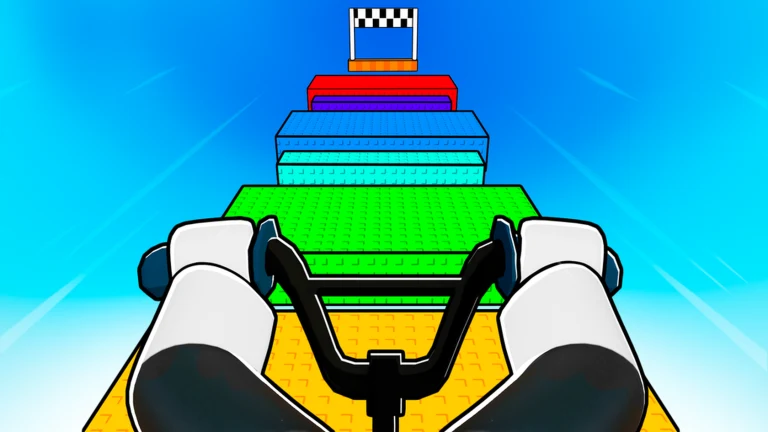
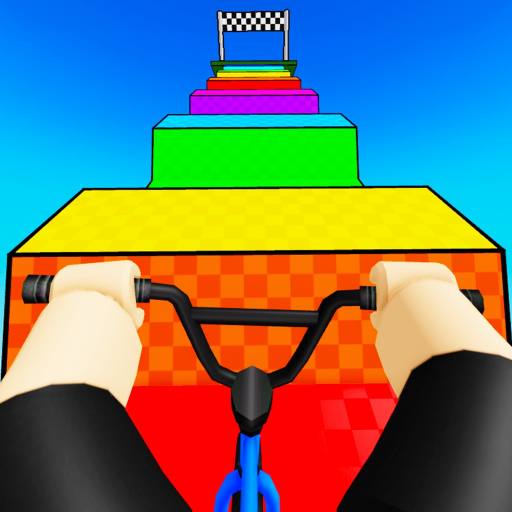
Obby But You're On a Bike changes the basic question from where to jump to how much momentum you can control. Accelerate, steer, jump, and brake before a landing while red kill blocks, moving balls, spinning bars, fans, and disappearing platforms punish a bad line. A familiar gap feels different when the bike keeps carrying you forward.
The game lists 108 worlds, 100 challenging stages, and speedrun leaderboards. Those authored routes are finite, so the reason to replay is completion and cleaner records, not a new layout every round. Touch players may find braking and balance harder than players on keyboard or controller. The experience also discloses independent ads and studio-collected analytics. That is worth knowing before you settle into a long record chase.
Obby But You're On a Bike
7. The Crusher
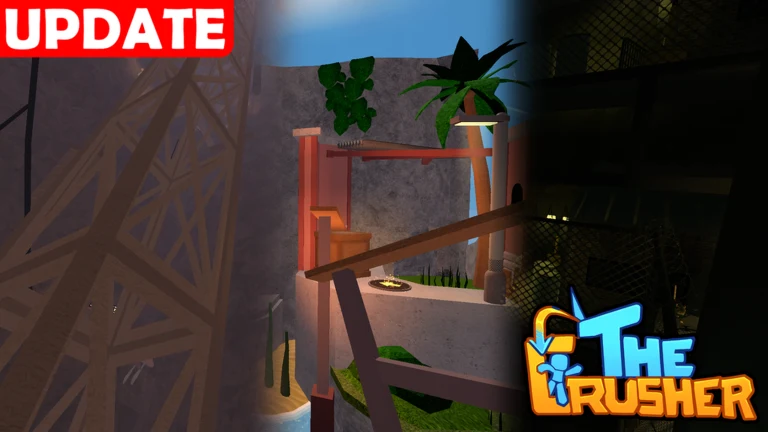
The Crusher makes every round a quick reading test. A crusher drops from above, the floor offers holes instead of a neat path, and you have to spot a safe opening before the ceiling catches up. Drop through, keep moving, and hope the next section gives you a better answer than the last one. Surviving sends you into another map, with coins, XP, gear, effects, and titles adding longer-term goals.
The game lists 279 maps and provides a public map template, but that number does not mean every map has the same quality or is always in rotation. Its 12-player servers and small player pool can make a round feel quiet. A current third-party listing reports PC, mobile, and console availability, though the best input will depend on how quickly you can read the holes and move. Choose it for short hazard bursts, not a long mastery climb.

The Crusher
8. Deathrun
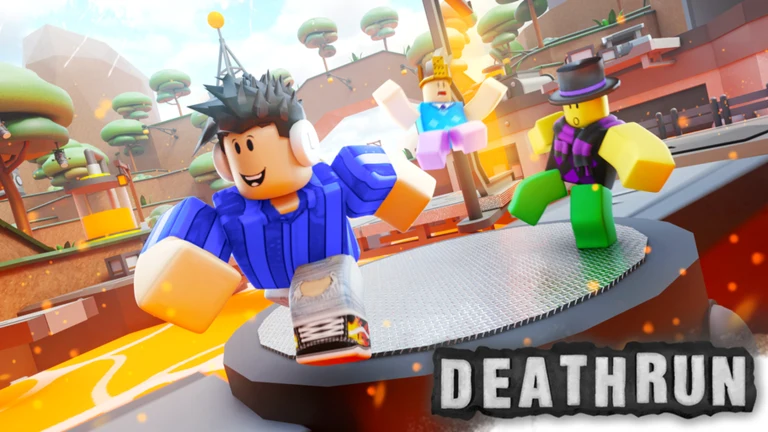
Deathrun gives the obby two sides. One player becomes the killer and watches for the right moment to activate traps. Everyone else runs across the map, baits a trigger, and tries to reach the end before the course closes around them. Runners who make it through can get a weapon and turn the last stretch into a fight instead of a simple finish line.
The role swap is the replay hook. As a runner, you learn where people hesitate and when a trap is likely to fire. As the killer, you learn which shortcut makes a group bunch together. The game needs enough players to fill both sides, and its small live population can mean waiting or repeated roles. Expect cartoon traps, falls, and player-versus-player elimination. This is a group game first, not a solo speedrun.
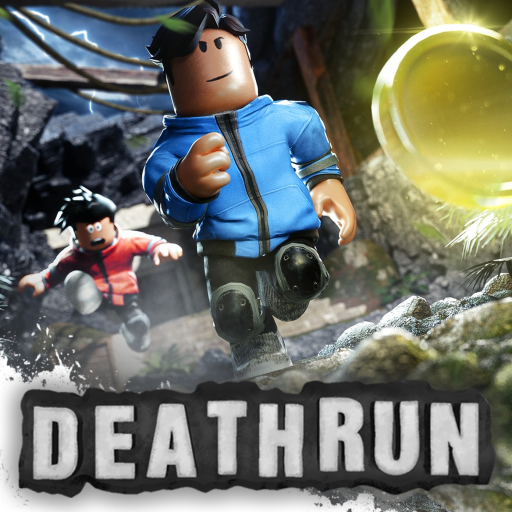
Deathrun
9. Obby Royale
Obby Royale turns obstacle courses into a ranked contest. Choose a challenge, join a server matched to your skill, and compete in one of six parkour modes. Your persistent points can rise when you beat a higher-ranked player and fall when you lose to a lower-ranked one. Clearing stages and earning achievements add more ways to move up.
That point risk gives a familiar route a new stake. A rematch can matter even when you know the jumps because the other player may take a different line, or you may need to protect a rank you have earned. The live population is small enough that matching can be unreliable, and a disconnect or early exit can make the ranking system feel rough. The experience still promises more improvements, so treat its feature set as work in progress.
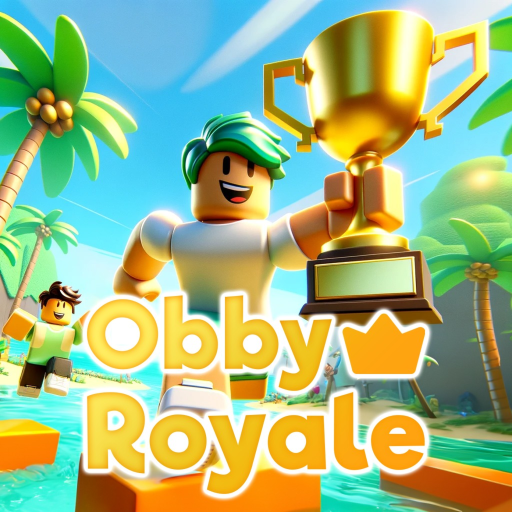
Obby Royale
10. Steep Steps
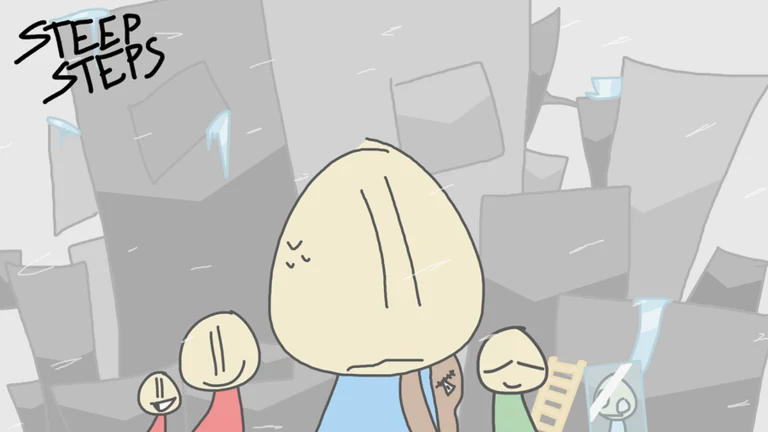
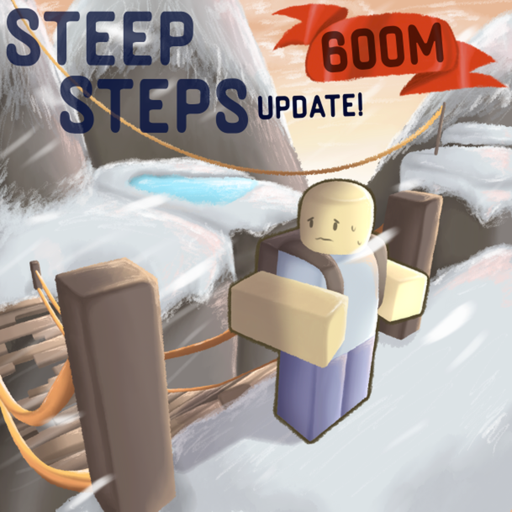
Steep Steps makes the ladder the whole movement system. Carry it up the mountain, test the angle against the rock, place it, climb, and reposition it when the next ledge refuses to cooperate. There is no normal jump button to bail you out. A bad setup can cost height, while a good one gives the group a route that looked impossible a minute earlier.
The 1,000-meter climb and all-maps completion give the group a clear target, but the real replay value comes from solving the same awkward physical problem more cleanly. It is slow and punishing, which makes it a better fit for a small group than a quick solo session. Xbox support is listed, while comfort on keyboard, touch, or controller depends on how the client handles ladder placement. The game description promises Saturday updates, but that cadence is not confirmed by its latest update signal, so do not plan around a fixed schedule.
Steep Steps
11. The Dropper
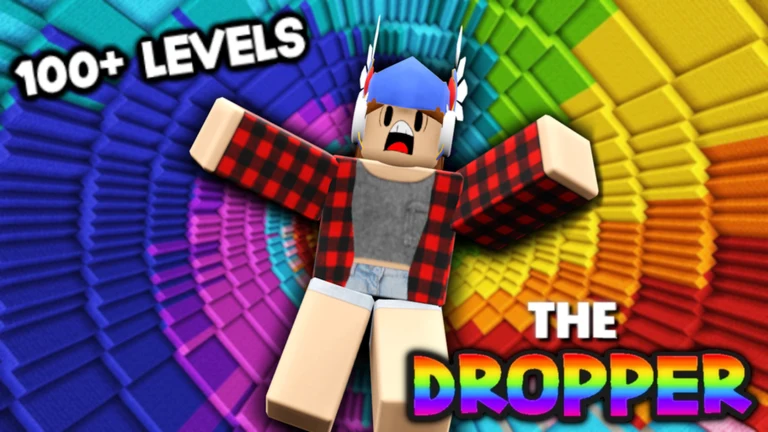
The Dropper reverses the usual obby climb. Enter a themed shaft, fall through the opening, steer around obstacles in mid-air, and aim for the landing area at the bottom. A safe landing opens the next level, while a miss teaches you which side of the shaft to avoid on the next attempt. Saved level access and optional stage skips make it easier to return after a break.
This is the weakest strict replay fit here because most of its route library is authored and finite, but it earns the last spot by giving the list a different camera and failure pattern. The game lists 136 levels, with difficulty rising as you go. It is a good solo precision pick for someone who would rather practice a fall than race a live server. The experience warns about mild flashing colors and lights, so players sensitive to those effects should take a pass or adjust their setup.
The Dropper
Start with Tower of Hell if you want the cleanest high-pressure retry. Choose Flood Escape 2 for a group, Speed Run 4 for solo time practice, or Obby Creator if you want to make the routes yourself. Eternal Towers of Hell is the long-term difficulty project, while the bike, crusher, Deathrun, Royale, Steep Steps, and Dropper picks each change what an obstacle course asks you to control.
The best choice is the one whose failure teaches you something you want to try again.