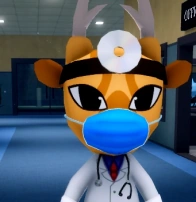

Once a patient is admitted in Animal Hospital, your shift can be interrupted by a sudden crisis in the room. A patient can faint, a room can catch fire, or something far stranger can take hold. Most of these come with a short countdown, and missing it costs you the patient. There are eight emergencies in all, and knowing how fast each one moves, what kicks it off, and which tool ends it is what keeps your patients alive.
View
Threat type
Multi-Patient Event
This is the one emergency that is really many at once. Instead of a single room, a whole wave of patients arrives together, so the skill being tested is triage rather than a single quick fix.
Ambulance Event
A surge event where six patients flood the hospital together, some on fire or critical. It is the only emergency that stacks several crises at once, so it tests how fast you can triage.
- Time Limit
- No timer
- trigger
- Dr. Harlow announces an anomaly attack on the town, usually around shift 4 or 5, and six patients rush in at once.
- resolution
- Treat all six incoming patients and grab whatever rooms are open; some arrive on fire or critically injured, so prioritize the most urgent cases.
- tools needed
- Fire extinguisher plus standard treatment supplies
- consequence
- Any patient left untreated dies.
- notes
- After you clear the first ambulance, the event returns roughly every five shifts.
| Image | Name | Description | Time Limit | trigger | resolution | tools needed | consequence | notes |
|---|---|---|---|---|---|---|---|---|
| Ambulance Event | A surge event where six patients flood the hospital together, some on fire or critical. It is the only emergency that stacks several crises at once, so it tests how fast you can triage. | No timer | Dr. Harlow announces an anomaly attack on the town, usually around shift 4 or 5, and six patients rush in at once. | Treat all six incoming patients and grab whatever rooms are open; some arrive on fire or critically injured, so prioritize the most urgent cases. | Fire extinguisher plus standard treatment supplies | Any patient left untreated dies. | After you clear the first ambulance, the event returns roughly every five shifts. |
Threat type
Fire Hazards
Both fire emergencies are cleared the same way, with the extinguisher, but they are not equally urgent. A burning room has no death timer yet drains your sanity and can knock out patients who walk in, while a patient on fire is a straight race against a 60-second clock.
Room Fire
A room bursts into flames and stays dangerous until you extinguish it. It has no death timer, but the sanity drain and fainting risk make it an urgent fix.
- Time Limit
- No timer
- trigger
- A room randomly catches fire during a shift, before or after a patient checks in.
- resolution
- Put out the flames with the fire extinguisher, or smother them with your hands if you have no extinguisher yet.
- tools needed
- Fire extinguisher (kept in the glass case near the check-in booth; usable after completing 2 shifts)
- consequence
- Standing in the fire drains 1 sanity per second, and patients faint if they walk into a burning room.
- notes
- There is no countdown, but clear it fast because it blocks you from treating the patient in that room.
Patient on Fire
A patient arrives engulfed in flames and you have one minute to save them. The extinguisher clears it instantly, making it the go-to tool for this emergency.
- Time Limit
- 60 seconds
- trigger
- A patient runs into the hospital fully on fire, panicking and screaming.
- resolution
- Spray them with the fire extinguisher for an instant heal, or put the fire out by hand and then treat the burns with ointment, all within the timer.
- tools needed
- Fire extinguisher (preferred) or hands plus burn ointment
- consequence
- The patient dies if the 60-second timer runs out.
- notes
- The extinguisher is the fastest fix; the hands-and-ointment route takes longer and risks missing the timer.
| Image | Name | Description | Time Limit | trigger | resolution | tools needed | consequence | notes |
|---|---|---|---|---|---|---|---|---|
| Room Fire | A room bursts into flames and stays dangerous until you extinguish it. It has no death timer, but the sanity drain and fainting risk make it an urgent fix. | No timer | A room randomly catches fire during a shift, before or after a patient checks in. | Put out the flames with the fire extinguisher, or smother them with your hands if you have no extinguisher yet. | Fire extinguisher (kept in the glass case near the check-in booth; usable after completing 2 shifts) | Standing in the fire drains 1 sanity per second, and patients faint if they walk into a burning room. | There is no countdown, but clear it fast because it blocks you from treating the patient in that room. | |
| Patient on Fire | A patient arrives engulfed in flames and you have one minute to save them. The extinguisher clears it instantly, making it the go-to tool for this emergency. | 60 seconds | A patient runs into the hospital fully on fire, panicking and screaming. | Spray them with the fire extinguisher for an instant heal, or put the fire out by hand and then treat the burns with ointment, all within the timer. | Fire extinguisher (preferred) or hands plus burn ointment | The patient dies if the 60-second timer runs out. | The extinguisher is the fastest fix; the hands-and-ointment route takes longer and risks missing the timer. |
Threat type
Patient Crises
These are ordinary medical emergencies with no supernatural twist. They come down to speed and room awareness: get the patient where they need to be and finish the care steps before the timer runs out.
Patient Fainted
A patient collapses and must be carried to their bed within a minute. No tools are needed, just quick lifting and good room awareness.
- Time Limit
- 60 seconds
- trigger
- A patient faints at check-in, after walking into a burning room, or after being shot.
- resolution
- Pick the fainted patient up and carry them to their designated bed before the timer ends.
- tools needed
- None (carry by hand)
- consequence
- The patient dies if not bedded in time.
- notes
- Throwing a fainted patient in the trash removes them without counting as a death, but it also forfeits their reward.
Critical Patient
A patient shows up needing complete care against the clock. The challenge is finishing every treatment step, not a single quick fix.
- Time Limit
- 100-120 seconds
- trigger
- A patient arrives in critical condition, often as part of the ambulance wave.
- resolution
- Run the full treatment process for them, from check-in through every required care step, before the timer expires.
- tools needed
- Varies with the treatment the patient needs
- consequence
- The patient dies if the full treatment is not finished in time.
- notes
- Because the timer covers the whole treatment chain, start critical patients first when several arrive together.
| Image | Name | Description | Time Limit | trigger | resolution | tools needed | consequence | notes |
|---|---|---|---|---|---|---|---|---|
| Patient Fainted | A patient collapses and must be carried to their bed within a minute. No tools are needed, just quick lifting and good room awareness. | 60 seconds | A patient faints at check-in, after walking into a burning room, or after being shot. | Pick the fainted patient up and carry them to their designated bed before the timer ends. | None (carry by hand) | The patient dies if not bedded in time. | Throwing a fainted patient in the trash removes them without counting as a death, but it also forfeits their reward. | |
| Critical Patient | A patient shows up needing complete care against the clock. The challenge is finishing every treatment step, not a single quick fix. | 100-120 seconds | A patient arrives in critical condition, often as part of the ambulance wave. | Run the full treatment process for them, from check-in through every required care step, before the timer expires. | Varies with the treatment the patient needs | The patient dies if the full treatment is not finished in time. | Because the timer covers the whole treatment chain, start critical patients first when several arrive together. |
Threat type
Supernatural Threats
These threats break the normal rules of treatment, and each one needs a specific response. The most important thing to remember is that the Room 8 monster must be handled with its mini-game; tasing or shooting it kills the patient instantly, unlike the death ritual where the taser is the fast answer.
Death Ritual
A floating patient is surrounded by seven lit candles and you have 40 seconds to break the ritual. The taser ends it quickly, but clearing the candles also works.
- Time Limit
- 40 seconds
- trigger
- In an occupied room the door creaks open, the lights dim, the patient floats, and seven ritual candles appear.
- resolution
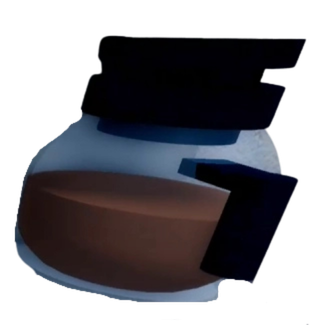
- Snuff out all seven candles one by one, tase the patient to break the ritual, or douse the candles with eyedrops, IV drops, or coffee.
- tools needed
- Taser (free at the start of shift 3, recharges in its box) or eyedrops / IV drops / coffee
- consequence
- The patient dies if the ritual completes before you stop it.
- notes
- Tasing is the fastest option but the candle route works if your taser is recharging.
Bed Monster
A monster pulls a patient under the bed and you have only 30 seconds to react. Feeding it maple syrup is the way to make it let go.
- Time Limit
- 30 seconds
- trigger
- A monster grabs a patient and slowly drags them underneath the bed.
- resolution
- Equip the maple syrup, step into the red zone next to the monster, and feed it the syrup so it releases the patient.
- tools needed
- Maple syrup
- consequence
- The monster eats the patient if you do not feed it within 30 seconds.
- notes
- The monster can grab players too, so approach the red zone with the syrup ready.
Monster in Room 8
A purple monster appears during surgery in Room 8 and must be handled with the mini-game, not a weapon. Attacking it is an instant loss, which makes it the trickiest threat to learn.
- Time Limit
- 45 seconds
- trigger
- A purple monster emerges from a recovering patient inside Room 8, the surgery room.
- resolution
- Complete the surgery mini-game by following the steps written on the blackboard.
- tools needed
- None (interaction-based mini-game)
- consequence
- The patient dies if the mini-game is not finished in time.
- notes
- Do not tase or shoot the purple monster; attacking it kills the patient instantly.
| Image | Name | Description | Time Limit | trigger | resolution | tools needed | consequence | notes |
|---|---|---|---|---|---|---|---|---|
| Death Ritual | A floating patient is surrounded by seven lit candles and you have 40 seconds to break the ritual. The taser ends it quickly, but clearing the candles also works. | 40 seconds | In an occupied room the door creaks open, the lights dim, the patient floats, and seven ritual candles appear. | Snuff out all seven candles one by one, tase the patient to break the ritual, or douse the candles with eyedrops, IV drops, or coffee. | Taser (free at the start of shift 3, recharges in its box) or eyedrops / IV drops / coffee | The patient dies if the ritual completes before you stop it. | Tasing is the fastest option but the candle route works if your taser is recharging. | |
| Bed Monster | A monster pulls a patient under the bed and you have only 30 seconds to react. Feeding it maple syrup is the way to make it let go. | 30 seconds | A monster grabs a patient and slowly drags them underneath the bed. | Equip the maple syrup, step into the red zone next to the monster, and feed it the syrup so it releases the patient. | Maple syrup | The monster eats the patient if you do not feed it within 30 seconds. | The monster can grab players too, so approach the red zone with the syrup ready. | |
| Monster in Room 8 | A purple monster appears during surgery in Room 8 and must be handled with the mini-game, not a weapon. Attacking it is an instant loss, which makes it the trickiest threat to learn. | 45 seconds | A purple monster emerges from a recovering patient inside Room 8, the surgery room. | Complete the surgery mini-game by following the steps written on the blackboard. | None (interaction-based mini-game) | The patient dies if the mini-game is not finished in time. | Do not tase or shoot the purple monster; attacking it kills the patient instantly. |
How to read the timer on each emergency
Not every emergency works the same way. A few, like the room fire and the ambulance wave, have no death timer but still demand fast action because they block your other work or pile several patients on you at once. The rest run on a clock, from 30 seconds for the bed monster up to about two minutes for a critical patient. When more than one crisis hits together, start with the shortest timer first and leave the no-timer hazards for last.
Keep the right tools ready before you need them
Many fixes depend on a tool that you may not have yet. The fire extinguisher unlocks after two shifts and is the fastest answer to anything on fire. The taser is handed to you free at the start of shift 3 and ends the death ritual in one hit. Maple syrup is the only thing that makes the bed monster let go. Knowing which tool clears which emergency saves the seconds that decide whether a patient survives.
FAQ
What happens if I miss an emergency timer?
On almost every timed emergency the patient dies when the clock runs out. The room fire and the ambulance wave have no single death timer, but a burning room still drains your sanity and can make patients faint, and any ambulance patient you leave untreated is lost.
Which tool should I keep ready for emergencies?
The fire extinguisher is the most useful because it clears both fire emergencies instantly, and it unlocks after two shifts. The taser, given to you at the start of shift 3, ends the death ritual in one hit. Keep maple syrup on hand too, since it is the only way to free a patient from the bed monster.
Why should I never attack the monster in Room 8?
The purple monster in the surgery room is the one threat you do not fight. Tasing or shooting it kills the patient on the spot. You clear it by completing the surgery mini-game using the steps written on the blackboard.
Can I lose a patient on purpose without it counting as a death?
Throwing a fainted patient in the trash removes them without recording a death, but you also lose their reward. It is a last resort when you cannot reach the bed in time and want to protect your record.