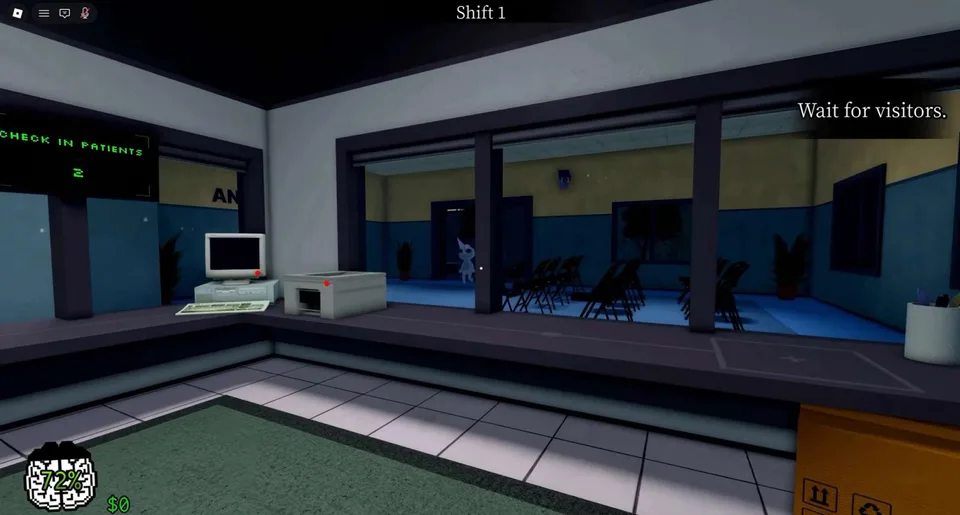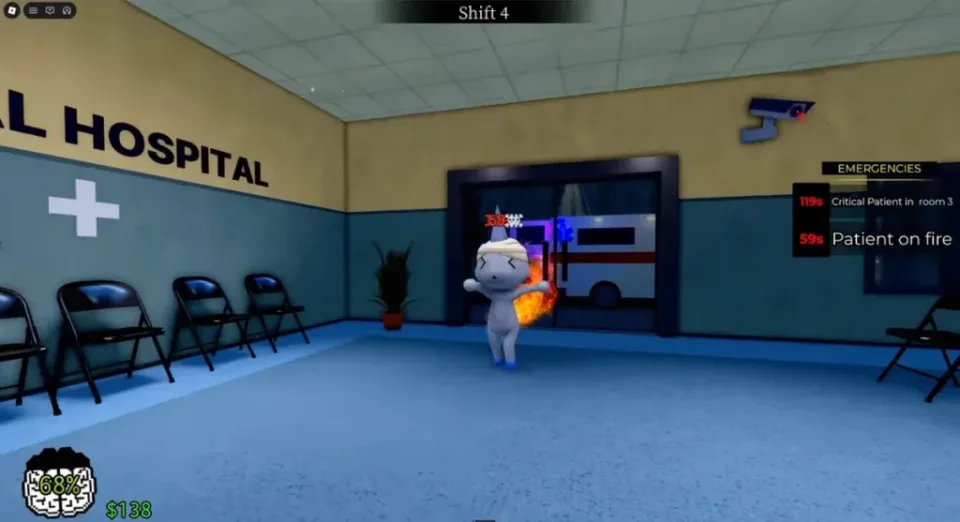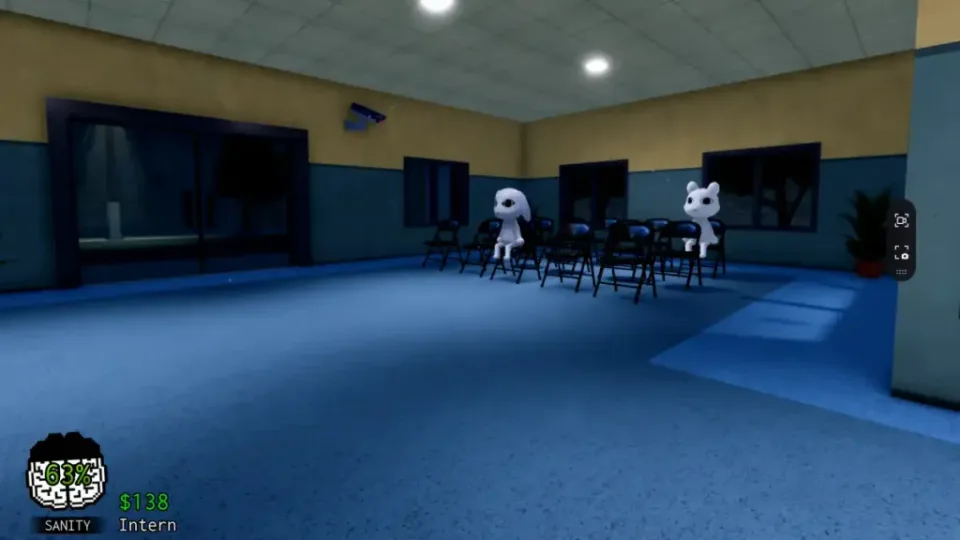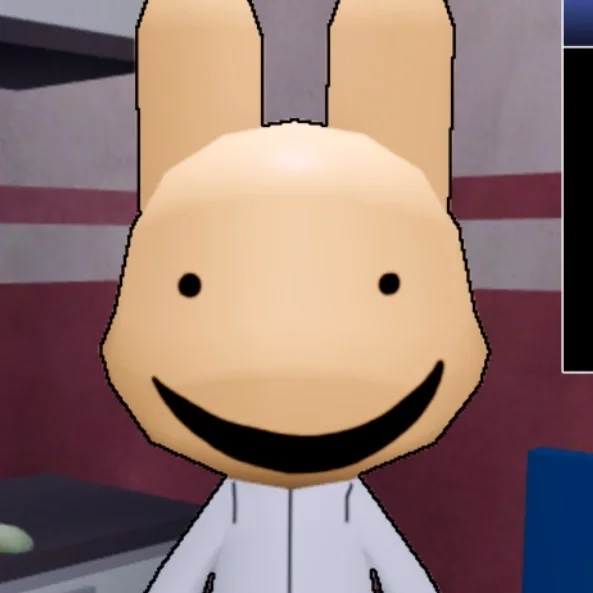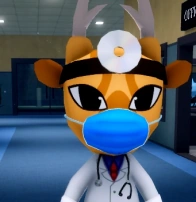

Anomalies are fake patients that try to walk into Animal Hospital looking almost normal. Some show a wrong face at the window, some only break on the polaroid, and some only look wrong on CCTV. Miss one and it can start a death ritual, spawn a room threat, or drop the disguise as a Shapeshifter. The whole check is simple once you know which tool catches which tell.
View
section
Appearance Anomalies
These are the window checks. If the face, posture, or movement already looks wrong, you can reject without waiting for the photo or cameras.
Twitching
A patient that looks almost normal until the body starts twitching. Watch for a few seconds at the window before you stamp them in.
- Detect by
- Appearance
- Warning signs
- Arms, head, or neck jerk while the patient is standing still. The back often hunches, and the neck can stretch longer than normal. Some variants only twitch on CCTV, so wait a few seconds before you decide.
- Best action
- Close the shutters.
- If admitted
- Guaranteed to transform into a Shapeshifter during recovery. Close the shutters at the desk instead of hoping treatment will fix it.
Three Eyes
One of the easiest window checks. Extra glowing eyes mean this is not a real patient.
- Detect by
- Appearance
- Warning signs
- Three slightly mismatched glowing red eyes sit where two normal eyes should be. The real eyes can still show underneath.
- Best action
- Close the shutters.
- If admitted
- Can trigger death rituals, monster events, or later transform into a Shapeshifter.
Hollow Face
Empty sockets are the main tell. Do not confuse a normal sad face with fully hollowed eyes.
- Detect by
- Appearance
- Warning signs
- Dark hollow eye sockets, often with a hunched posture and twitching. Looks drained and empty rather than injured.
- Best action
- Close the shutters.
- If admitted
- Guaranteed to start a death ritual during recovery. Hollow eyes can also appear on the Head Banger at the glass, which is handled with coffee instead of a normal admit.
Realistic Face
A fake face that looks hand-drawn or too human for a regular animal patient. The smile is usually the first thing that feels wrong.
- Detect by
- Appearance
- Warning signs
- Large eyes with black pupils, heavy under-eye bags, and a big drawn-on smile. The voice is often low and distorted.
- Best action
- Close the shutters.
- If admitted
- Can lead to death rituals, monster events, or a Shapeshifter transformation after check-in.
Crooked Face
Uneven eyes and a sharp, crooked grin make this one stand out once you know what a normal patient face looks like.
- Detect by
- Appearance
- Warning signs
- A crooked, distorted smile with sharp teeth and large mismatched eyes set high on the face. Eyes can look popped out.
- Best action
- Close the shutters.
- If admitted
- Can lead to death rituals, monster events, or a Shapeshifter transformation after check-in.
X-rayed Face
The human teeth are the giveaway. A regular animal patient should not flash a full human smile at the desk.
- Detect by
- Appearance
- Warning signs
- Small but wide circular eyes with black pupils, paired with realistic human-looking teeth.
- Best action
- Close the shutters.
- If admitted
- Can lead to death rituals, monster events, or a Shapeshifter transformation after check-in.
Staring
If a patient keeps staring you down while you move around the desk, treat that as a hard reject.
- Detect by
- Appearance
- Warning signs
- The patient tracks your movement with their head, or locks onto a camera. The head can turn more than a normal patient should.
- Best action
- Close the shutters.
- If admitted
- Guaranteed to transform into a Shapeshifter during recovery, so do not treat the intense eye contact as harmless.
section
Photo Anomalies
These patients can look fine in person. Wait for the polaroid to finish, compare it to the live patient, and reject any mismatch, static, or cursed face.
Incorrect Photo
General photo mismatch. If the printed picture and the patient are not the same look, reject before you dig into which detail is wrong.
- Detect by
- Photo
- Warning signs
- The finished polaroid does not match the patient at the window. The photo can swap features, markings, or show a face that is clearly not the same animal standing there.
- Best action
- Wait for the photo to finish, compare it to the patient, then close the shutters if anything is wrong.
- If admitted
- Admitting a photo mismatch can start a death ritual or later hostile transformation.
Different Eyes
A common photo trap focused on the eyes. Side-by-side the window patient and the polaroid, and check the eyes first.
- Detect by
- Photo
- Warning signs
- The eyes in the photograph do not match the eyes on the living patient. Pupils, lids, shape, or eye style can all be wrong while the rest of the face looks close.
- Best action
- Compare the photo to the patient before opening the shutters, then reject on any mismatch.
- If admitted
- Same risk as other photo anomalies: ritual events or hostile forms later in the shift.
Different Ears
One of the sneakiest photo checks. Always look at the ears, not only the face.
- Detect by
- Photo
- Warning signs
- Ear shape, size, or animal type changes between the patient and the photo, such as bear ears on a rabbit patient.
- Best action
- Check ear shape on both the patient and the finished photo before you admit them.
- If admitted
- Same risk as other photo anomalies: ritual events or hostile forms later in the shift.
Static Photo
If the polaroid looks like a broken TV channel, do not stamp them in just because the window face looks normal.
- Detect by
- Photo
- Warning signs
- The photograph has a grainy static overlay. It can appear alone or with other cursed photo details.
- Best action
- Close the shutters when static covers the photo. Prefer the shutters over tasing or shooting when you are unsure.
- If admitted
- Still an anomaly even when static is the only photo tell. Admitting them can start a death ritual during recovery, and static alone does not always mean a Shapeshifter.
Cursed Photo
These are the nasty polaroids. Wait for the print, check it on the desk, and shut the window if the face looks cursed.
- Detect by
- Photo
- Warning signs
- The polaroid shows a heavily distorted or horrific face, such as a melted grin, wrong eyes, or other cursed face variants. Picking the photo up drains about 10 sanity, so check it on the desk first.
- Best action
- Let the photo fully develop, inspect it without rushing, then close the shutters.
- If admitted
- A clear cursed face means a bad patient. Letting them through risks rituals and hostile forms.
section
CCTV Anomalies
These only show on security cameras. Keep a short camera sweep in your check-in loop, because window and photo can both look clean.
Black Eyes
A face that only looks wrong on the security feed. Window and photo can both be clean, so skip cameras at your own risk.
- Detect by
- CCTV
- Warning signs
- On the security camera, a black bar covers the face and realistic eyes stare back at you. The patient looks normal at the window and in the photo.
- Best action
- Check CCTV before admission, then close the shutters.
- If admitted
- Camera-only anomalies still count as real threats once they get past the desk.
Unnatural Body
If the limbs look longer than the hallway allows, reject them. Normal patients do not stretch like melted plastic.
- Detect by
- CCTV
- Warning signs
- On CCTV the body looks stretched, warped, or detached, sometimes nicknamed boneless. Reopening the feed can change the shape again.
- Best action
- Use lobby and check-in cameras, then close the shutters on any stretched body.
- If admitted
- Camera-only body distortion is still an anomaly and can lead to later hostile outcomes.
Staring at Cameras
Normal patients face the counter. Anomalies that live on camera feed keep staring into the lens instead.
- Detect by
- CCTV
- Warning signs
- The patient keeps looking straight into the CCTV lens while walking or waiting, even when a normal patient would face the desk.
- Best action
- Sweep the security cameras before admission and reject constant camera contact.
- If admitted
- Camera-stare patients are still anomalies and can escalate after check-in.
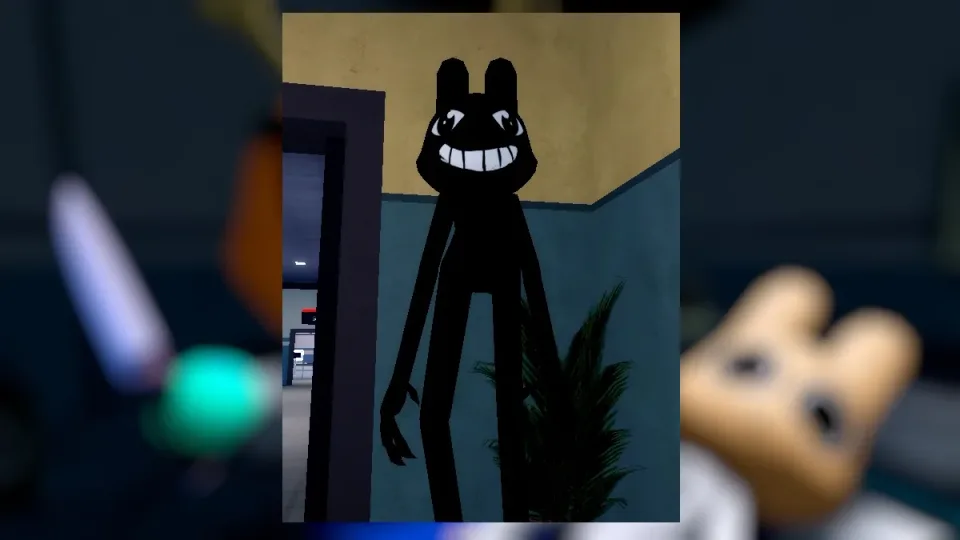
Void Body
If the camera turns the patient into a pure black figure, that is enough. No extra face check needed.
- Detect by
- CCTV
- Warning signs
- On the security camera the patient is a fully black silhouette with no normal color or detail.
- Best action
- Close the shutters as soon as the feed shows a black void body.
- If admitted
- A void silhouette is a clear anomaly and should never be treated as a normal patient.
Camera Twitching
Twitching that only shows on CCTV is easy to miss if you flick through cameras too fast.
- Detect by
- CCTV
- Warning signs
- The patient only twitches on the security feed. At the window they may look completely still and normal.
- Best action
- Leave the CCTV feed open for a few seconds before deciding the patient is safe.
- If admitted
- Like other camera-only tells, this can still become a Shapeshifter or ritual problem after recovery.
Disguised Shapeshifter
The hard mode check-in. In person it looks fine. On camera it is already a monster waiting for a stamp.
- Detect by
- CCTV
- Warning signs
- Looks normal at the window, but security cameras show the true Shapeshifter form after the patient reaches the check-in spot. Lobby camera side views help. Twitching can appear only in that form.
- Best action
- Check both lobby and check-in cameras once the patient reaches the window, then close the shutters.
- If admitted
- You are letting a Shapeshifter into the hospital in disguise. It can attack patients and players after it drops the act.
Mismatching Ears
A small ear change on CCTV is still a reject. This is one of the easiest tells to overlook when you rush.
- Detect by
- CCTV
- Warning signs
- Ears or horns on the security camera do not match the ears you see at the window.
- Best action
- Compare window ears to CCTV ears before admission, then reject any mismatch.
- If admitted
- Subtle camera mismatches still count as anomalies and can escalate later.
Mismatching Eyes
Window eyes and camera eyes should match. If they do not, the patient is not real.
- Detect by
- CCTV
- Warning signs
- Eye shape or style differs between the patient at the window and the same patient on CCTV.
- Best action
- Zoom the lobby or check-in camera onto the face and reject any eye mismatch.
- If admitted
- Subtle camera mismatches still count as anomalies and can escalate later.
section
Special Threats
These are not standard three-check patient tells. Head Banger is handled with coffee at the glass, and Shapeshifter is the hostile form you fight after a bad admit.
Head Banger
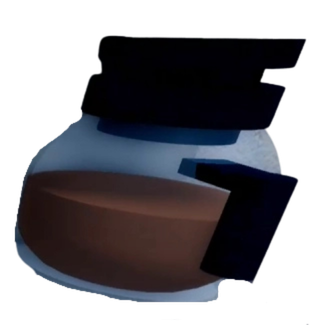
The window pest that wants coffee, not treatment. Feed it a cup and it calms down instead of wrecking your sanity.
- Detect by
- Special
- Warning signs
- A hollow-eyed visitor smashes their head against the check-in glass and can block the shutters. This is not a normal queue patient.
- Best action
- Offer coffee so they drink and leave. Avoid tasing, shooting, or forcing them out the hard way, which costs a large sanity hit and can leave the shutters blocked until they crack the glass or leave.
- If admitted
- Not a normal admit target. Handled at the window with coffee, not by treating them like a medical patient.
Shapeshifter
The end stage of a missed anomaly. Once the disguise drops, stop diagnosis mode and fight it before it eats a patient.
- Detect by
- Special
- Warning signs
- A patient that has already dropped the disguise (some guides call this a Skinwalker). Expect a huge mouth, sharp teeth, and an attack on nearby patients or players.
- Best action
- Tase it, shoot it, or hold the interaction to pull it off a victim. If it grabs you, spam the struggle input.
- If admitted
- This is the hostile form after a bad admit or transformation. It is already inside and needs a weapon response.
Run the three checks every time
Do not admit from vibes. Use the same loop on every patient.
- Watch the window for face, posture, and twitching. Give it a few seconds if nothing jumps out.
- Stamp the form, take the photo, and wait for the print to finish before you pick it up.
- While the photo develops, open CCTV and compare the lobby or check-in feed to the patient in front of you.
If any of the three checks fails, close the shutters. A clean window face is not enough when the photo or camera still looks wrong.
What each check is good at
Appearance catches the loud ones: three eyes, hollow sockets, crooked grins, human teeth, and open twitching. Photo catches the quiet ones, like ear or eye mismatches, static overlays, and cursed faces that only show on paper. CCTV catches the ones built to fool the desk, including stretched bodies, black void silhouettes, camera-only twitching, and the disguised Shapeshifter that only reveals itself after it reaches check-in.
After a bad admit
If one slips through, stop treating the shift like a normal clinic. Keep the taser ready for a Shapeshifter attack, and watch recovery rooms for death rituals and other emergencies. Those crises have their own rules and tools, so the goal is still to reject anomalies at the desk before they become problems in the wards.
Special cases at the desk
Head Banger is not a normal patient stamp. When a hollow-eyed visitor smashes the glass, offer coffee instead of forcing a hard reject that can tank your sanity. Shapeshifter is the late form after a miss: once the huge mouth shows up, switch to weapons and pull it off patients fast.
FAQ
How do you identify anomalies in Animal Hospital?
Use appearance at the window, the finished polaroid, and CCTV. Some anomalies only fail one of those checks, so skip any step and you will miss them.
What should you do when you spot an anomaly?
Close the shutters for normal patient anomalies. Do not stamp them in and hope treatment will fix it.
What happens if you let an anomaly into the hospital?
It can trigger a death ritual, open the door for later monster events, or transform into a Shapeshifter that attacks patients and players.
How do you deal with the Head Banger?
Give it coffee so it drinks and leaves. Tasing, shooting, or forcing it away the hard way can cost a large sanity hit.
Which anomaly is hardest to spot?
Subtle CCTV mismatches, camera-only twitching, and the disguised Shapeshifter are the easiest to miss when you rush. Photo ear and eye changes are close behind.