

11. DOORS
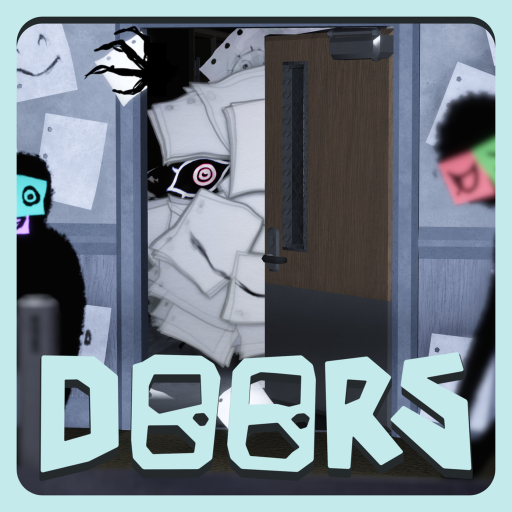
DOORS understands the value of a rule you can learn the hard way. Search hotel rooms for keys and useful items, listen for entity cues, hide when the game tells you to, and use clues to make the next door safer. Each death adds information that makes the next attempt more deliberate.
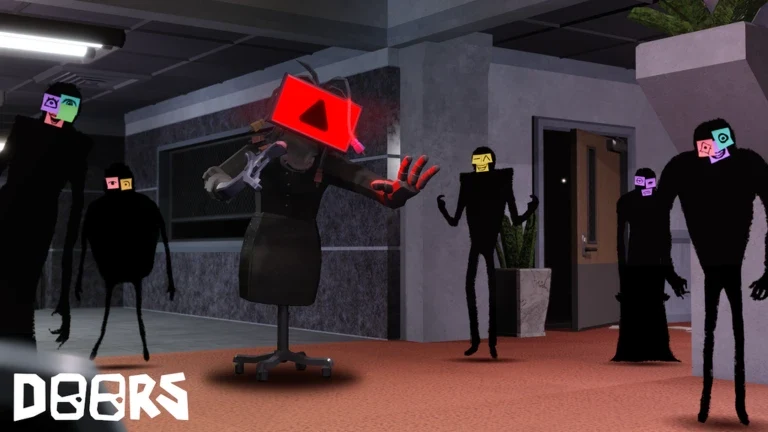
That makes DOORS work alone even when public lobbies are available. Its replay comes from changing rooms, encounter rules, challenge modes, and the player's own growing memory. Take the official warnings seriously: loud sounds, flashing lights, and jumpscares are part of the experience. Choose it when you want horror with a clear retry loop rather than a long story campaign.
DOORS
12. The Mimic
The Mimic is the story-horror choice. Choose a book or chapter, explore its map, collect what the route requires, solve environmental puzzles, and survive the chase or entity that interrupts the investigation. Its stories draw on Japanese history and urban legends, so the places feel tied to something more specific than a generic dark hallway.
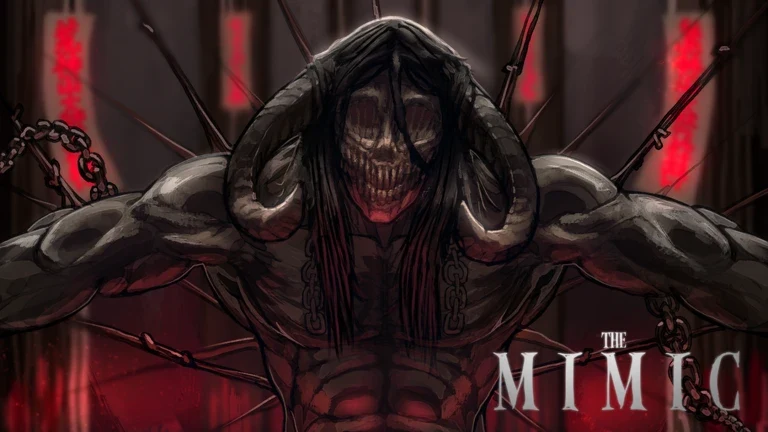
Playing with friends is possible, but the solo route has a real shape: explore, understand the puzzle, learn the threat, and finish the chapter. It is more episodic and narrative than DOORS, with sharper difficulty spikes in some sequences. Expect flashing lights, loud sounds, jumpscares, and a heavier atmosphere.

The Mimic
13. Alone in a Dark House
Alone in a Dark House is the most direct answer for a compact solo mystery. You take the role of an investigator searching for a runaway murderer while a paranormal anomaly changes the case. Explore the house, inspect what seems useful, follow clues, and let the story turn an ordinary room into a problem.
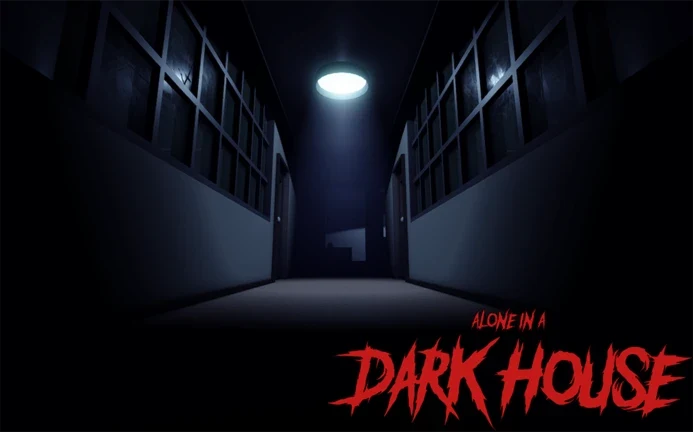
The official experience recommends a first playthrough alone, in the dark, with headphones, which is unusually clear advice. Replay is limited compared with DOORS or The Mimic, so choose it for a contained horror story rather than a progression game. The darkness and paranormal content are the point, not background decoration.
Alone in a Dark House
14. 99 Nights in the Forest
99 Nights in the Forest is the one game here I would not call comfortable alone. Its group-first pitch says to build a camp with friends, and solo play makes you carry every job yourself: gather resources, improve the camp, rescue missing children, and decide how far to travel before night. That can be a great challenge, but it is not a relaxed base-building session.
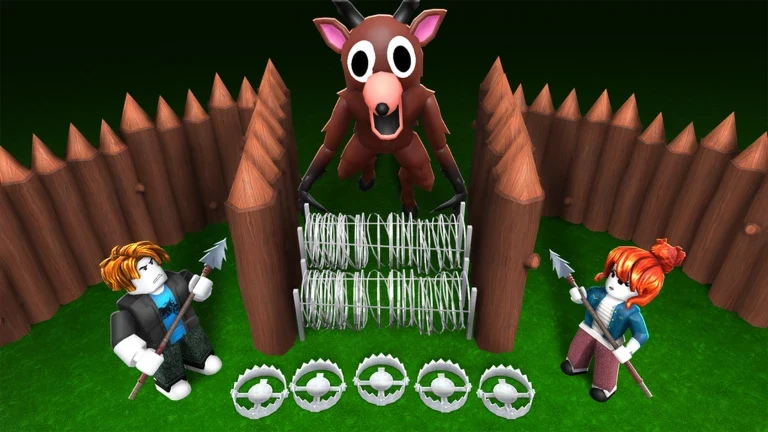
Night threats keep tightening the pressure, and solo recovery is limited when a run goes wrong. Team size changes the difficulty. Choose it only if you want a hard survival-horror test and are happy to learn around the group-first balance. If you want a calmer personal project, Islands belongs higher on your list.
99 Nights in the Forest
15. Robot 64
Robot 64 is the cheerful collectathon in the list. Learn the movement, head through its odd little worlds, collect ice creams, and use those finds to open more of the hub and its side areas. The goal of destroying the sun is strange enough to make the route memorable, while the platforming gives every collectible a physical problem.
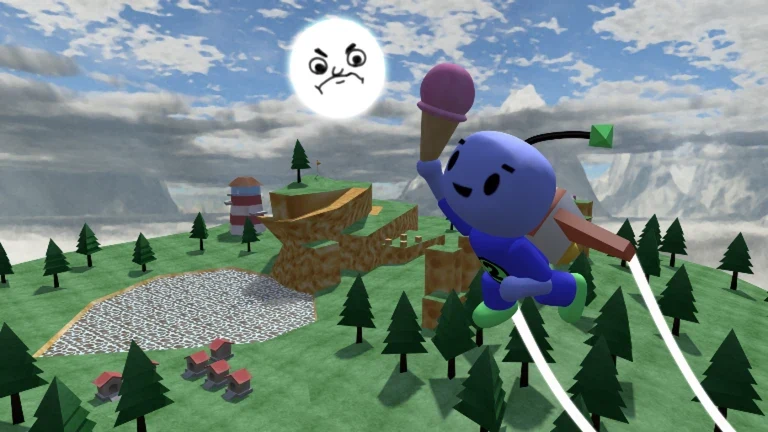
It is more authored than Speed Run 4 and less punishing than Tower of Hell. That makes it a good bridge for someone who wants platforming and collecting without a shared timer. The game is smaller and more focused than the big live worlds here, so expect an authored route rather than an endless progression treadmill.
Robot 64
16. Speed Run 4
Speed Run 4 is built for the sentence, one more clean run. Pick a fixed level, keep your momentum through the jumps, finish the route, and return for a better time or more stars. Stars open more routes and dimensions, but the lasting reward is your own movement getting sharper.
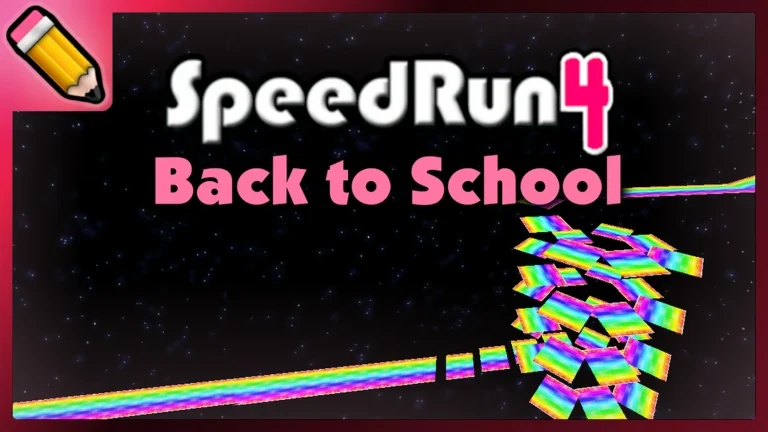
Racing friends is optional, so the game never needs a teammate to make a level worth playing. The tradeoff is obvious: there is little story, building, or persistent character growth. Open Speed Run 4 when you have a few minutes and want a skill test with no setup.
Speed Run 4
17. Tower of Hell
Tower of Hell removes the safety net. Enter a randomly assembled tower, climb through obstacle sections before the shared timer expires, and start the climb again when a fall sends you down. There are no checkpoints, so a good run can disappear because of one missed jump.
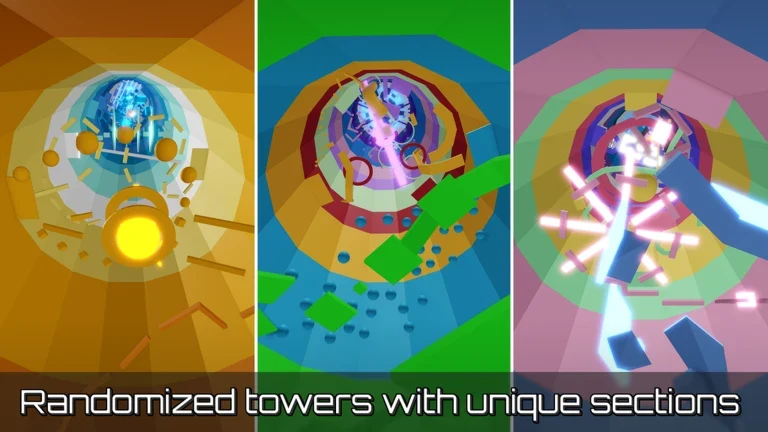
That rule makes the game brutally clear. Other players are racers, not teammates you have to coordinate with, and each round gives you another chance to read the movement better. Compared with Speed Run 4, it is less authored and more punishing. Pick it when failure is part of the fun, not when you want a quiet warm-up.
Tower of Hell
18. HOURS
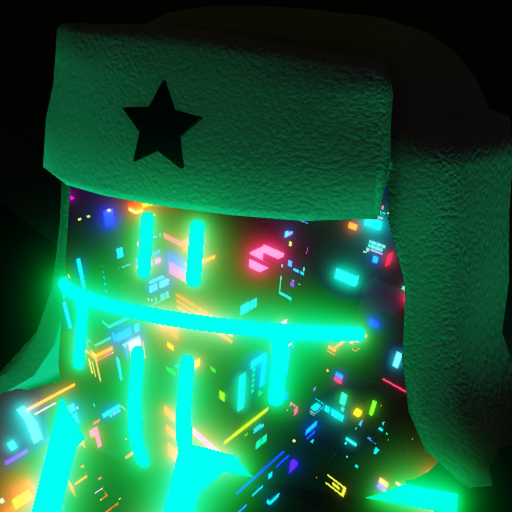
HOURS is the purest single-player recommendation here. Choose a Host, pair it with a Tempo, fight through enemy waves and bosses, and pick upgrades between areas as the run takes shape. Death resets the run, so the character does not carry you safely through a campaign. You carry forward what you learned about the build.
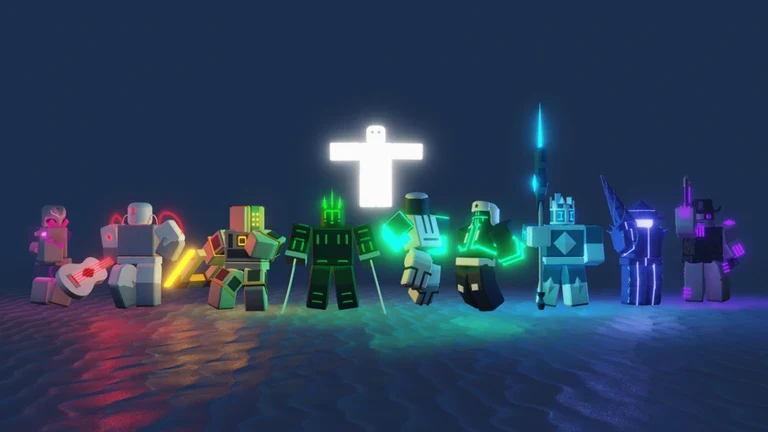
That reset is the whole point, not a missing feature. Different Hosts, time-based powers, upgrade choices, difficulty, and Endless attempts give the combat loop room to grow without needing a party or an online world. HOURS is a good pick when you want Roblox to get out of the way and let the fighting decide whether you improve.
HOURS
19. Deepwoken
Deepwoken comes with the loudest warning on this list. It is difficult, uses permanent character loss, and places you in an online PvPvE world where other players can attack you. This is not a protected single-player RPG. A solo player can still pursue PvE progression, but the same risks stay in play.
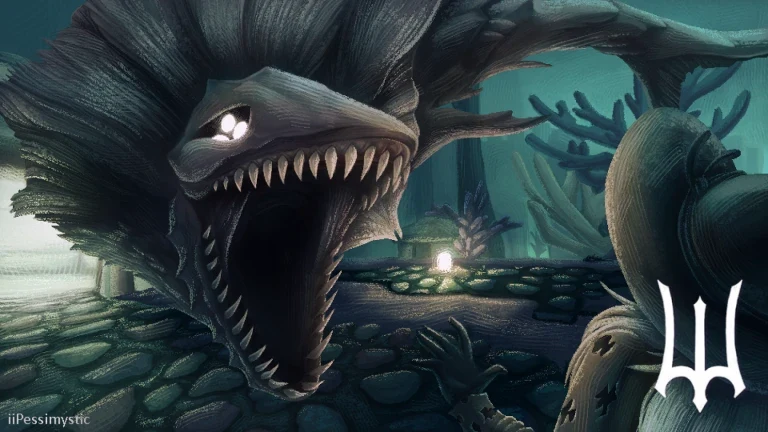
If you accept that bargain, the buildcraft is unusually deep. Create a character, choose an origin or direction, invest in attributes and talents, learn weapons and mantras, explore the Lumen world, and push into dungeons and lore locations. Start here only if losing a character and learning from the mistake sounds worthwhile. If you want a safer run-based game, choose HOURS.

Deepwoken
20. Doodle World
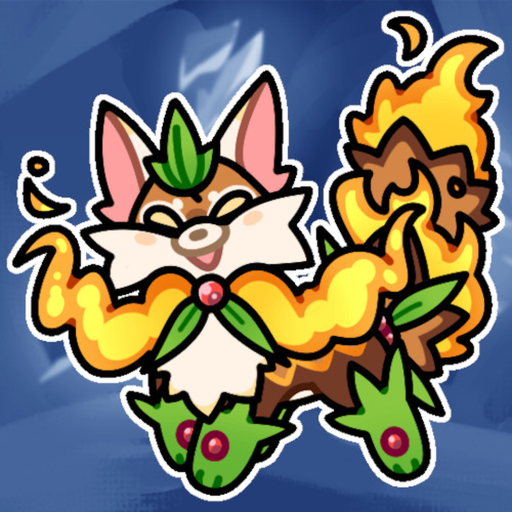
Doodle World closes the list with a deliberate, story-led RPG loop. Start in Sketchvale, choose a starter Doodle, follow the first route, fight wild creatures and NPCs, and build a team as new moves, equipment, and areas enter the picture. Battles give you time to choose attacks, switch, use items, or run instead of asking for quick reactions.
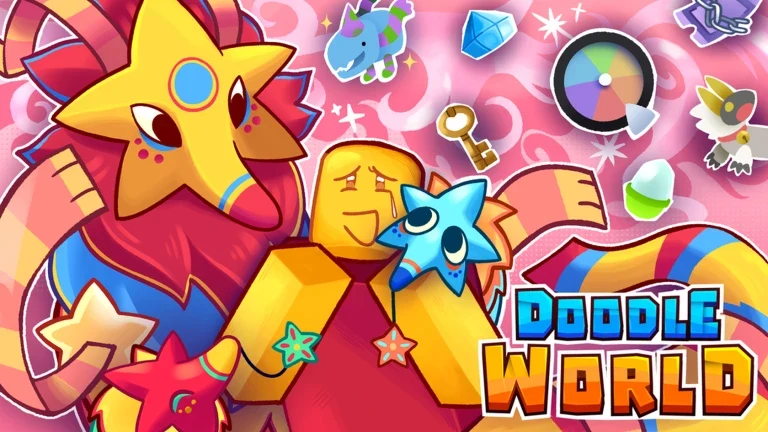
The story and PvE route work alone, while trading, events, and PvP sit on the optional side of the game. Collection goals such as skins, traits, and chaining can keep a careful player busy after the first route. Choose Doodle World if you want creature collecting with a turn-based rhythm rather than Dragon Adventures' raising-and-exploring focus.
Doodle World
Start with Arcane Odyssey if you want a long adventure, Fisch or Bloxburg if you want a gentler routine, and Entry Point if every session needs a concrete objective. DOORS and The Mimic cover different kinds of horror, while Robot 64, Speed Run 4, and Tower of Hell let you practice movement without a party. For the biggest risks, save 99 Nights in the Forest and Deepwoken for when you actively want the game to push back. The best solo pick is the one whose loop you will willingly repeat tomorrow.