

The best solo Roblox games give you a job that still matters when nobody else joins. That might mean sailing from island to island, turning a personal plot into a park, learning a monster's rules, or trying one more run after a bad fall.
These 20 picks cover exploration, fishing, crafting, building, stealth, horror, platforming, creature collecting, and harder RPGs. The first half is easier to settle into; the second half gets stranger, scarier, and more demanding. Pay attention to the caveats, especially for 99 Nights in the Forest and Deepwoken.
1. Arcane Odyssey
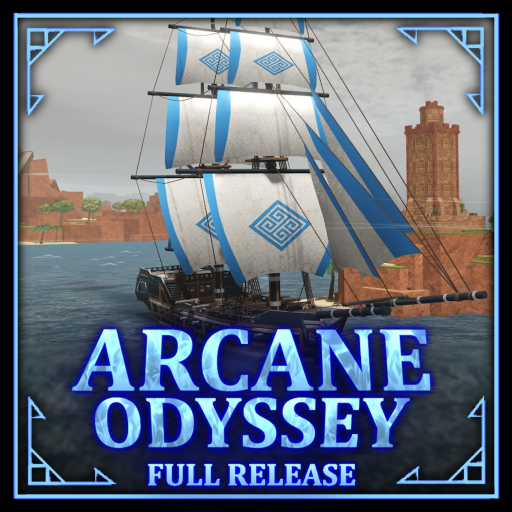
Arcane Odyssey is the pick for the player who wants a real journey, not a small loop to fill ten minutes. You wake on an abandoned island, meet Morden, take quests, search for chests and gear, prepare for local bosses, then sail toward another piece of the War Seas. Magic, weapons, fighting styles, ship improvements, and equipment give each trip a reason to matter.
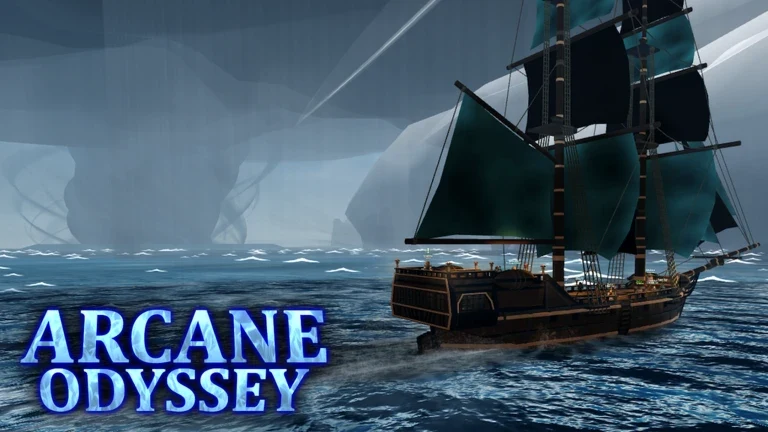
That breadth comes with friction. Sailing, combat, navigation, and build choices make the opening busier than Fisch or Bloxburg, and the official listing recommends keyboard and mouse. PvP, clans, and team play exist around the solo-friendly quest and exploration path. Start here when you want a world to learn over many sessions.
Arcane Odyssey
2. Fisch
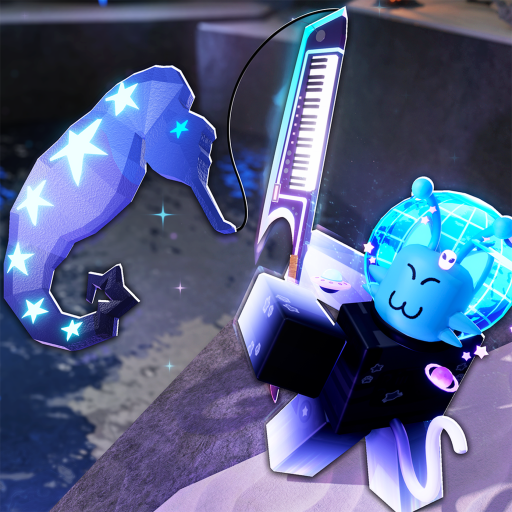
Fisch gets to its point quickly. Start around Moosewood, cast near water, keep the moving bar on the fish, sell the catch, and turn the money into better rods, bait, or a boat. The Bestiary and island travel turn an ordinary catch into a collection route.
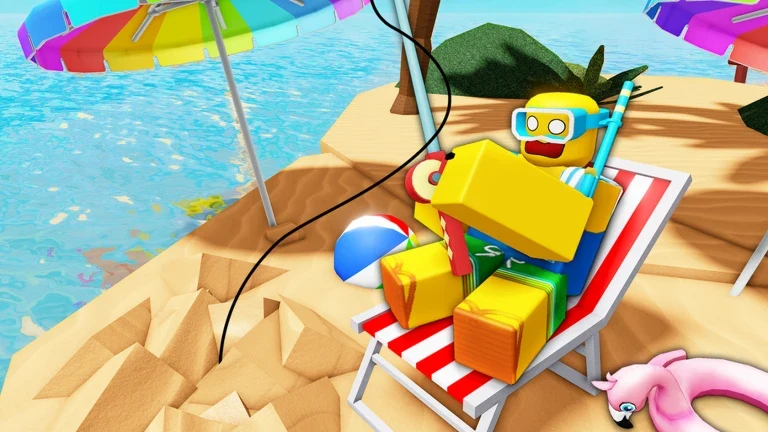
The calm surface hides a patient grind. Rare fish, mutations, travel, and randomness can stretch a goal longer than expected, but that is also why a short fishing session can become a full evening. Choose Fisch when you want hands-on collection without a party or a complicated combat build.
Fisch
3. The Forge
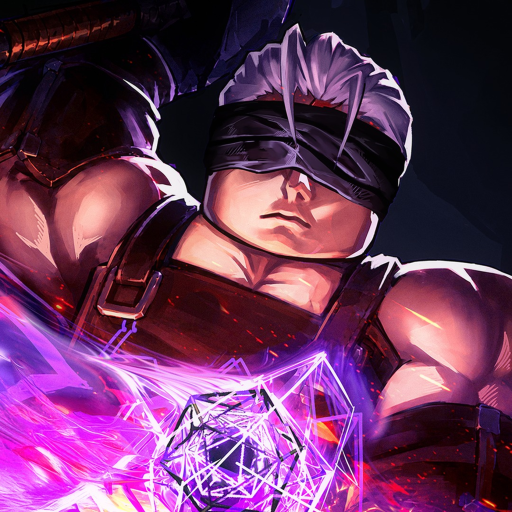
Mine, return to the forge, make gear, then take it into a fight. The Forge has a simple chain with enough decisions inside it. Early work around Stonewake's Cross sends you into a cave for ore, while deeper areas, enemy fights, runes, and new islands give the next upgrade somewhere to point. Ore combinations can change what comes out of the forge, so gathering never feels entirely mindless.
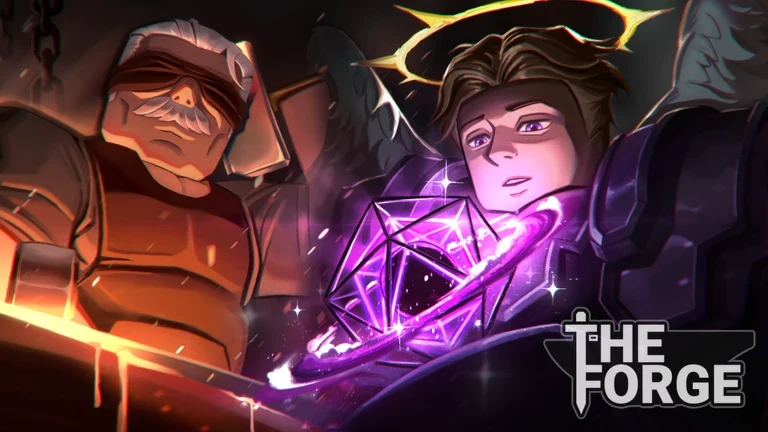
The beta label matters. Recipes, balance, and tutorial details may shift, and the official listing calls out PC controls. That rough edge is part of the choice. If you want a tidy story campaign, play Arcane Odyssey; if you like testing a build and watching a pile of ore become something useful, The Forge earns this spot.
The Forge
4. Bee Swarm Simulator
Bee Swarm Simulator turns a personal hive into a long project. Send your bees into a field, collect pollen, return to convert it into honey, and spend that honey on more bees or gear. Bear quests push you toward different fields and tasks, while bugs, monsters, treasures, and bee types keep the mountain from feeling like one big repeating lawn.
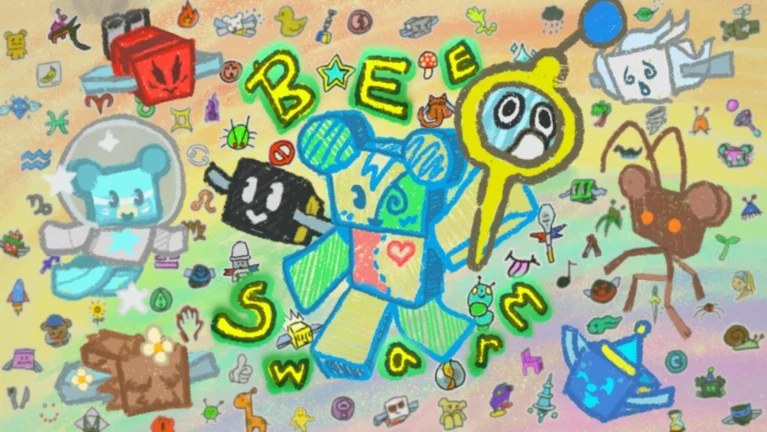
The tradeoff is repetition. This is a good choice if incremental progress is the point, not if you want a story to wrap up tonight. Your hive is the project, so other players sharing a field do not change the basic solo loop.
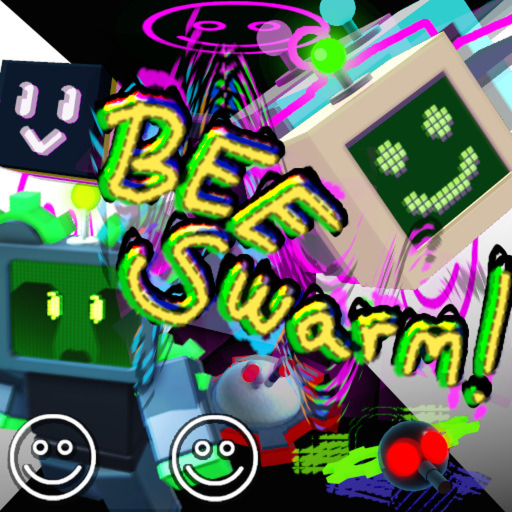
Bee Swarm Simulator
5. Islands
Islands opens with a personal island, basic resources, crops, and a reason to build outward. Gather, craft tools and products, sell goods in the hub, improve skills, raise animals, and add production to the space. Combat against monsters and bosses gives the builder a reason to leave the farm.
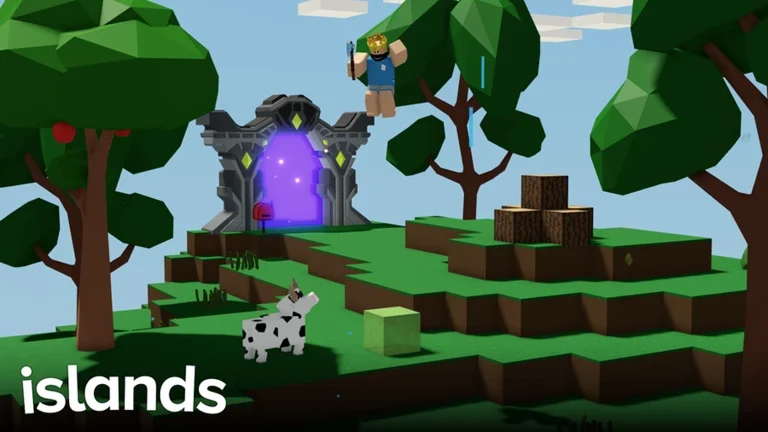
It sits between Bloxburg's home design and The Forge's resource-and-combat loop, which is exactly why it belongs here. The systems take time to learn, and the game's long-term maintenance is less certain than the personal-island loop itself. Choose Islands for a sandbox project you can shape at your own pace, not for a promise of a fixed content roadmap.
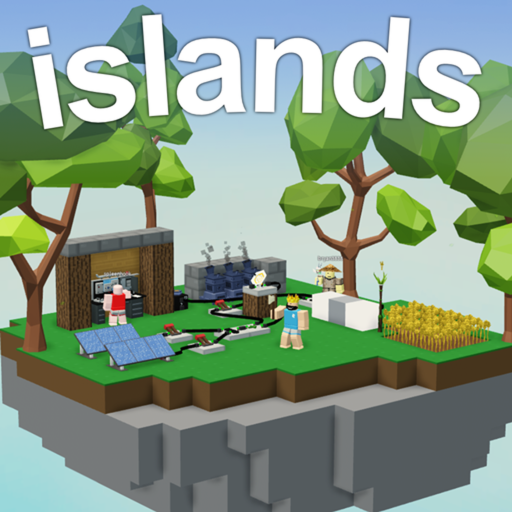
Islands
6. Welcome to Bloxburg
Welcome to Bloxburg gives solo play a satisfying routine. Start with a plot and a house idea, work a job to earn money, then pour that money into furniture, vehicles, skills, or the next redesign. Cooking and other skills add small goals, but the main pleasure is watching a blank home become recognizably yours.
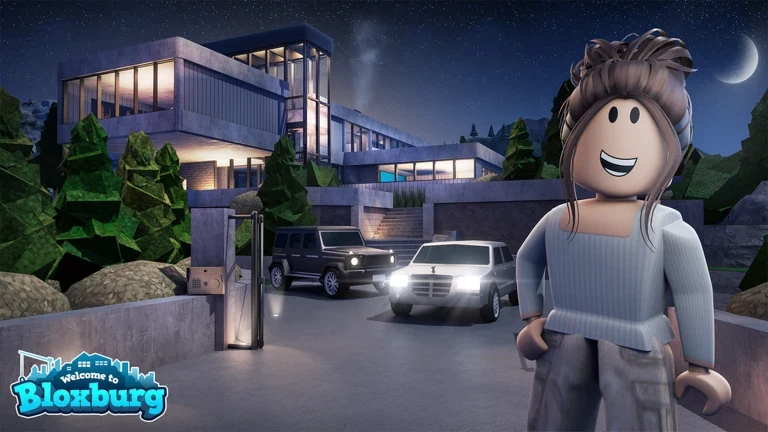
The catch is that big builds take work, and the building tools reward patience. Optional roleplay is there, but you do not need another player to make the house, take the job, or choose the next project. Pick it when you want a low-pressure builder with a daily-routine feel.
Welcome to Bloxburg
7. Theme Park Tycoon 2
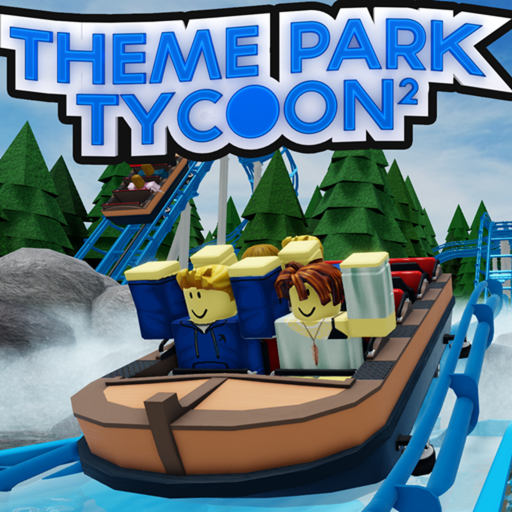
Theme Park Tycoon 2 turns a blank plot into a management puzzle. Place a first ride, lay paths, add food stalls and facilities, and then watch guests reveal where the park works or falls apart. A beautiful layout is only half the job. Guests still need a route, a restroom, and a reason to keep spending.
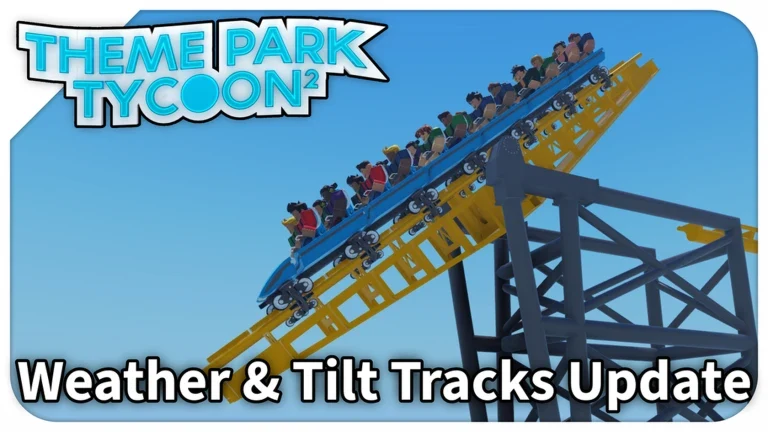
That feedback gives solo building a useful edge over pure decoration. You can rebuild the entrance, tune guest flow, chase rating and unlock goals, or spend an evening designing one ridiculous coaster. Friends are optional. The park, its problems, and its next improvement are yours.
Theme Park Tycoon 2
8. Build A Boat For Treasure
Build A Boat For Treasure starts with a clear promise: make a craft, launch it, and see whether it can survive the river. The first design may be a simple boat, but the building system invites stranger ideas, including flying machines and contraptions built around the same run. Gold, new blocks, and quests give each failed launch a useful question to answer.
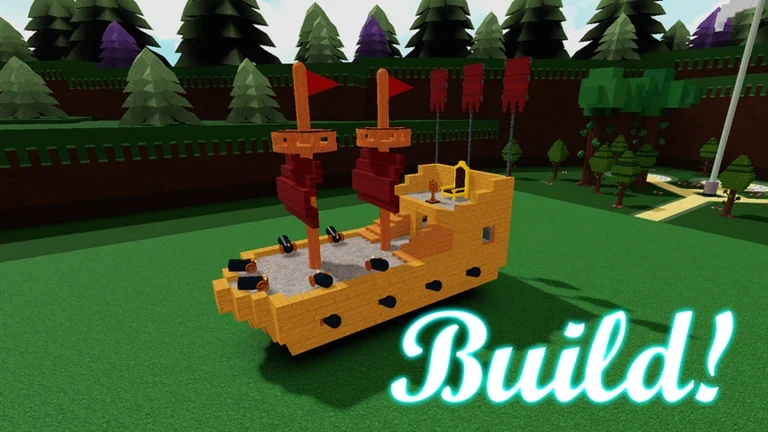
One player can build, launch, fail, and revise without waiting for a crew, although huge designs are easier to test with help. That is the appeal for solo players who like engineering problems with a finish line. Theme Park Tycoon 2 asks you to manage a place; Build A Boat asks you to make something that can withstand the trip.
Build A Boat For Treasure
9. Dragon Adventures
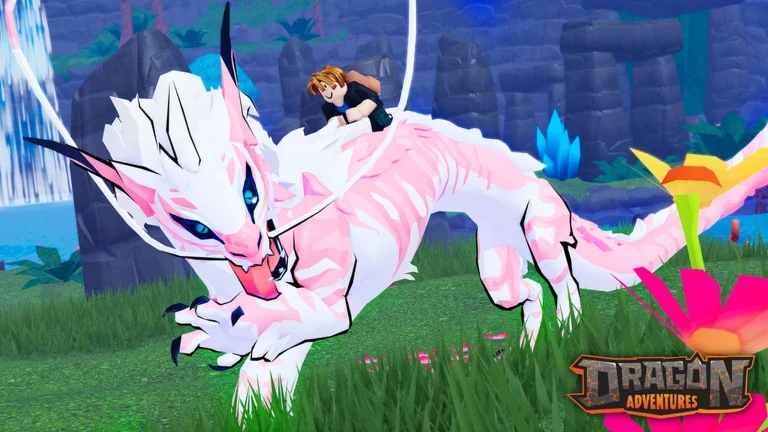
Dragon Adventures makes collection feel like a relationship with a place and a creature. Hatch the first egg, gather supplies, open the Grassland world, and then move between missions, resources, enemies, and the work of raising a roster. Lair design gives the collection a home instead of leaving it as a list of names.
Breeding, rarity, waiting, trading, and events can turn the game into a long project. That is good news if you enjoy nurturing a collection, less so if you want constant action. The solo path is the tutorial, world missions, exploration, dragon care, and lair work. The social layers are optional extras.
Dragon Adventures
10. Entry Point
Entry Point is for the player who wants a mission on the screen and a plan to make. The tutorial introduces loud and stealth approaches, then the main experience sends you into operations where disguises, hacking, careful movement, weapons, alarms, and extraction all matter. You can replay a job with another class or loadout and find that the same objective asks different questions.
Solo completion is viable, but difficulty rises when nobody can split the work or recover a bad approach. Keep Shadow War separate in your head because it is the PvP side, not the campaign reason to play. Entry Point is the cleanest pick here for heists, planning, and replayable objectives.