


Puzzle games ask for different kinds of attention. In one room you may be reading a poster for a code; in another you are building a case against a suspect; later, a monster turns route-finding into panic. This list starts with puzzle-first escape rooms, then moves through deduction, compact logic stages, and hybrids where the chase or horror is part of the deal.
The first seven games are the closest match for a quiet puzzle session or a traditional escape-room night. Piggy, Apeirophobia, and Color or Die stay because their locked routes, puzzle gates, or color logic materially shape play, but they are not conventional clue rooms.
1. Terminal [Escape Room]
Terminal [Escape Room] is the broadest match for a traditional digital escape room. You choose a scenario, search for clues, connect information across rooms, and work against a time limit. The opening runaway-train scenario gives the loop a clear shape: inspect seat and raffle posters, find an ATM clue and another quarter, use the vending machine to reach a keycard, copy a fuse or switch pattern, and read a blinking light as Morse code before the control-room finish. Later scenarios add ciphers, mazes, wiring, counting, and more timed chains.
![Promotional Terminal [Escape Room] artwork showing an X-ray skull with a key.](https://media.bloxodes.com/storage/v1/object/public/bloxodes-media/articles/roblox-puzzle-escape-room-games/sources/terminal-escape-room-f3707fa5d561.webp)
The official listing supports groups of 1 to 5 and recommends keeping pencil and paper nearby. Standard mode supplies the pressure, while Beginner uses reworked puzzles rather than simply making the same rooms easier. Start here if you want several scenarios and a strong reason to take notes. The timed format can be demanding, and the official page does not establish mobile or console support, so check the experience page before planning around a particular device.
![Terminal [Escape Room] Roblox game icon](https://tr.rbxcdn.com/180DAY-723efbd3ea2e4dec08cf1ce63645eb0c/512/512/Image/Png/noFilter)
Terminal [Escape Room]
2. Project: Escape Room
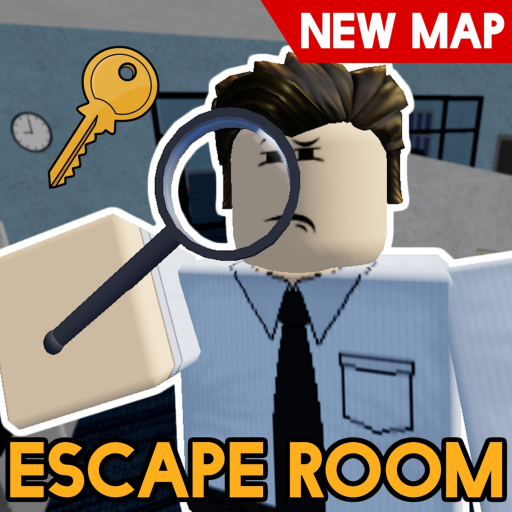
Project: Escape Room makes each run a larger themed room-to-room problem. The official listing gives the game 11 maps, and every map has Beginner and Challenge routes. In the School map, a first run can move from four classroom digits to a computer, then through book-order and hallway-object clues, a locker, a color sequence, and the front-door key. The newer Office map follows the same pattern with drawers, a computer, a vending machine, a safe grid, an elevator code, and a reception puzzle.

You can play alone or in a public group of up to five, and the official page calls the experience harder than other escape-room games. Beginner mode matters here. Small interactables can be fiddly on touch screens, and the researched guides describe no pause and no free in-run hint system. Choose Project when you want a difficult map-based challenge with a real second pass. Terminal is more scenario-led; Project puts more weight on reading a themed environment and choosing the right route through it.
Project: Escape Room
3. Detective Duck
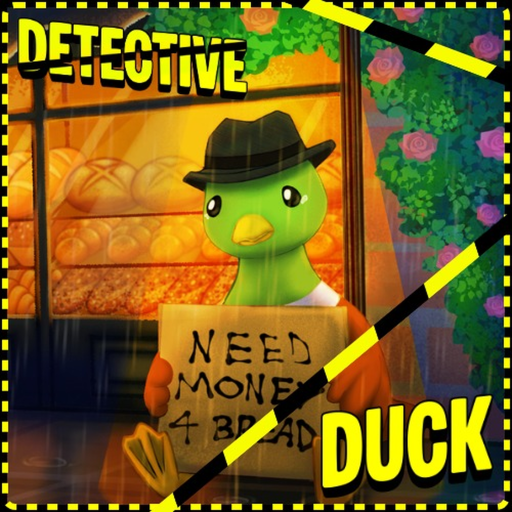
Detective Duck changes the question from "How do I open the exit?" to "Which suspect actually did it?" Start with the Case File, read the crime summary and suspect list, then search every room with the magnifying glass. You collect marks, writing, documents, and case-specific keys, combine evidence to open locks or keypads, and compare the results with each suspect's statements. The current beginner guide uses a stolen-item case with three evidence traits, so the final answer comes from matching facts rather than guessing a code.

The phone-based accusation is the finish, and you cannot undo that submission in the case. Read the whole note, check every suspect, and use the magnifying glass on small details before committing. Detective Duck supports solo play and small groups, with mobile support stated on the official page. Sources cover several crime-scene maps, but they do not safely establish a fixed case count or fully randomized cases. Pick it for investigation and contradictions. Armless Detective is the more gadget-heavy evidence search later in the list.
Detective Duck
4. Broken Clocks [Escape Room]
Broken Clocks [Escape Room] is for players who enjoy searching a room until the odd detail finally makes sense. The official description states 36 rooms and names the ingredients directly: safes, color codes, hidden objects, secret mechanisms, logical challenges, red herrings, and spheres that help open the next door. One modern-clock route starts with four colored statues and matching platforms. Other rooms use hidden papers, wire order, text decoding, binary directions, blinking patterns, reverse alphabets, anagrams, and clock buttons.
![Black-and-white Broken Clocks [Escape Room] artwork with a clock, hand, and escape-room television.](https://media.bloxodes.com/storage/v1/object/public/bloxodes-media/articles/roblox-puzzle-escape-room-games/sources/broken-clocks-12178162e915.webp)
This is the methodical specialist pick. Autosave makes a long sequence easier to return to, and multiplayer lets friends split the search without changing the core puzzle. The tradeoff is finish quality. The creator warns that small glitches can occur, new levels are still in progress, and one developer maintains the experience. The official page does not give a reliable device matrix or purchase detail, so do not assume cross-platform play or free hints. Choose it over Project when hidden objects and note-taking sound better than a clearly signposted Beginner mode.
![Broken Clocks [Escape Room] Roblox game icon](https://tr.rbxcdn.com/180DAY-3a98241f8fa452709f3431acef4128ef/512/512/Image/Png/noFilter)
Broken Clocks [Escape Room]
5. Armless Detective
Armless Detective turns a small crime scene into a clue-matching exercise. The Motel Room is the introductory map. Take the magnifying glass, blue light, magnet, and Grabby Arm, then search for hair, fingerprints, food, temperature, Tix, writing, and cleanliness clues. Each piece changes a trait in the suspect file. After gathering enough evidence, match those traits to the suspect board and leave for the lineup.

The game's odd premise is part of the hook: the detective lost both arms and works through a magic hat and tools. The unusual interface takes a minute to learn, but the evidence loop is clear once each gadget has a job. Evidence positions can change between searches, while the sources do not support a promise of fully random cases. The official page gives no dependable device or group-size promise. Pick Armless Detective if examining objects and building a suspect profile sounds better than Detective Duck's case-file contradictions.

Armless Detective
6. IQ Test
IQ Test is a long floor climb made of short problems, movement tests, and the occasional nasty surprise. Early floors ask you to press a green button, reach a button past a red square, cross red bars, find a blue button, solve a maze, enter a keypad code, and cross a narrow crack. Later floors add hidden codes, patterns, memory, math, lasers, parkour, and timed hazards. Guides document 200 floors, but the official description does not state that number, so treat it as a well-supported secondary count rather than a permanent promise.

The visible floor goal makes progress easy to understand, and failure resets the floor rather than the whole climb in the researched walkthrough coverage. The creator group provides free skips, but do not mistake the game for ten-minute logic-only rooms. Some later floors lean into timing, parkour, survival hazards, or trial and error. IQ Test is the right choice for a personal completion target and lots of bite-size problems. IQ Lab is shorter and stays closer to a door-to-door escape-room rhythm.

IQ Test
7. IQ Lab
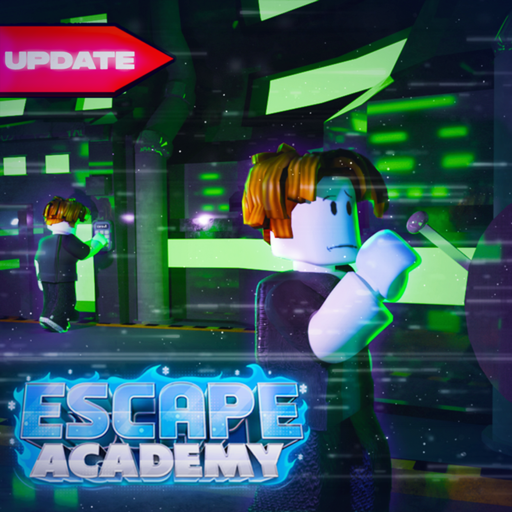
IQ Lab keeps its promise simple. Each stage is a miniature escape room, the puzzles get harder as you advance, and solving one compact problem opens the next door. Early examples include finding or pressing a green button, reading a floor code, moving a crate to reach a higher button, pulling a lever to raise a platform, and inspecting a box for a hidden code. The official listing states 60 stages, giving the climb a clear endpoint.

This is the compact option between a big floor climb and a full themed escape room. IQ Lab follows Puzzle Doors, whose official page now points players toward it, but it works as its own recommendation. The current activity snapshot is low, so public matchmaking may be thinner than in the larger picks. The official description does not establish device support, group size, autosave, or purchase terms. Choose it when you want a direct puzzle-to-next-stage loop and can live with a smaller, quieter experience.
IQ Lab
8. Piggy
Piggy is where the list turns into a chase. Each map combines item placement, locked routes, environmental tasks, and an escape before the pursuer catches you. In the House opening, a wrench powers a generator, a hammer clears a boarded exit, and keys and a keycard code open later routes while Piggy patrols. The exact item chain changes by map, so the appeal is route planning under pressure rather than memorizing one universal solution.

Piggy supports computer, mobile, and controller play, and its story chapters, maps, badges, skins, and round modes give it a lot of room to revisit. It is not a quiet escape room. Horror, pursuit, jumpscare-style danger, and losing a round are part of the deal, while optional purchases may exist even though the official description does not give a dependable current price list. Pick Piggy if you want keys and tools with a pursuer close behind. Terminal is the better choice when the puzzle itself should stay in charge.

Piggy
9. Apeirophobia
Apeirophobia is the atmospheric horror escape pick. The official premise asks you to explore endless rooms, solve puzzles, and hide from entities. The early route moves through the Poolrooms, where valves open progress, into a quieter Windows section and then an office with a blind, sound-sensitive entity. That makes the loop environmental search, route finding, and a puzzle gate followed by stealth or sprint timing. There is no combat build to maintain.
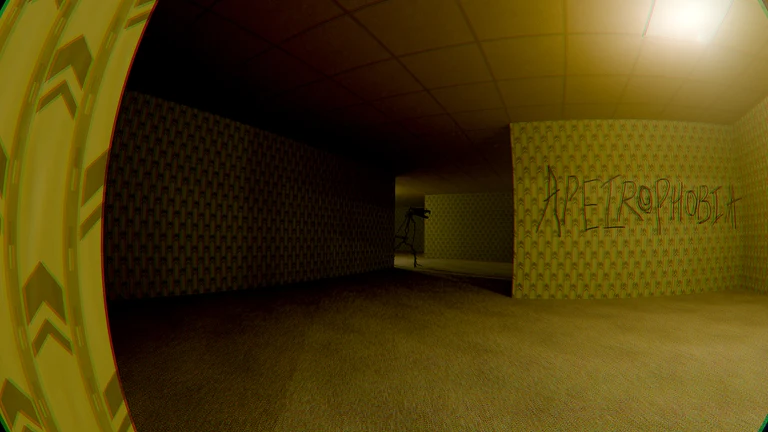
Progress is level-based, but the sources do not support printing a fixed current total. Apeirophobia officially supports PC, mobile, and Xbox, recommends high graphics and headphones, and warns about sudden jumpscares, flashing lights, and loud noises. Keep those warnings prominent, especially for anyone playing on a phone. Choose it for liminal exploration and stealth around the puzzles. Piggy is more item-chain and chase oriented; Apeirophobia spends more of its time making the space itself feel unsafe.

Apeirophobia
10. Color or Die
Color or Die makes color memory part of the escape route. Match your avatar to a wall to stay safe, find paint and tools, open color-matched doors, and move through the maze while a monster patrols the space. A current Chapter 1 guide describes a route through a screwdriver, a vent section, orange paint, more color doors, tools such as a saw and hammer, and white paint before an exit. Think item routing and safe-wall memory, not a code-room deduction game.

The visual rules are easier to grasp than Apeirophobia's stealth, and a team can split colors or tools, but survival pressure dominates some runs. Monster chases and deaths that reset route progress can be frustrating. Roblox Premium gives a speed boost according to the official listing, but it is not required for the core loop. The community guide says mobile is supported, while the official page does not give a full device matrix. Pick Color or Die for a readable color-and-maze escape hybrid, not a calm room full of clues.
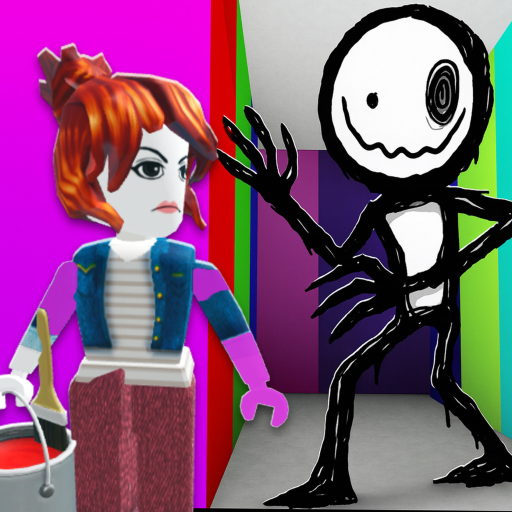
Color or Die
Start with Terminal if you want the closest traditional escape-room night. Choose Detective Duck or Armless Detective when naming the culprit sounds better than opening a chain of locks. IQ Lab is the quick door-to-door logic option, while Piggy, Apeirophobia, and Color or Die make the escape itself dangerous. The right first game depends less on a ranking number than on whether you want to take notes, search for evidence, climb a floor, or run when the lights change.
FAQ
Which Roblox game here is closest to a traditional escape room?
Terminal [Escape Room] is the strongest starting point because it combines themed scenarios, clue chains, logic, riddles, and timed sections. Project: Escape Room is the better alternative if you want harder map-by-map challenges with Beginner and Challenge routes.
Which games in this list are horror or chase hybrids?
Piggy, Apeirophobia, and Color or Die all use real puzzle actions, but each adds a threat that can interrupt the solve. Piggy focuses on keys, tools, locked routes, and pursuit. Apeirophobia adds liminal exploration, stealth, and entities. Color or Die uses color-matched walls, paint, route memory, and a monster.
Can I play these puzzle games alone?
Terminal supports groups of 1 to 5, Project: Escape Room supports solo play, and Detective Duck's case loop can be completed alone even though it also supports small groups. IQ Test and IQ Lab are natural solo picks because their main progression is a personal floor or stage climb. Check the current Roblox experience page for device and server details before you start a group run.
Is IQ Test a traditional escape-room game?
No. IQ Test is a puzzle progression game that mixes short logic problems with buttons, mazes, parkour, lasers, and timing hazards. IQ Lab is closer to a miniature escape-room format, while Terminal, Project: Escape Room, and Broken Clocks keep more of the play inside themed rooms.