

11. DOORS
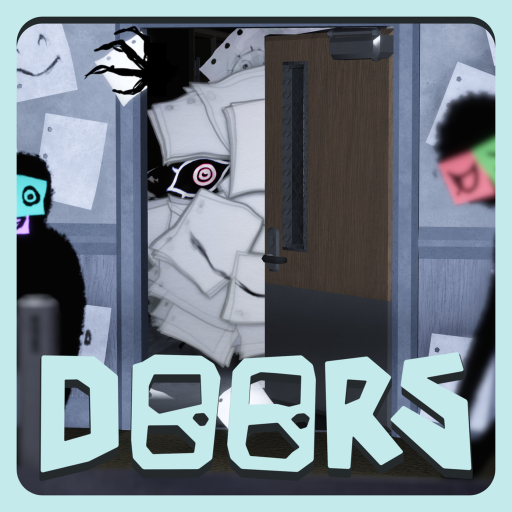
DOORS is the polished escape-horror choice, where the group's shared resource is information. Open numbered doors, search drawers for keys and supplies, listen for audio or light cues, and choose when to hide, run, or solve the next room. There is no normal combat shortcut. A friend's callout about a key, hiding place, or entity cue can save a run, while a death teaches the whole group what to listen for next.
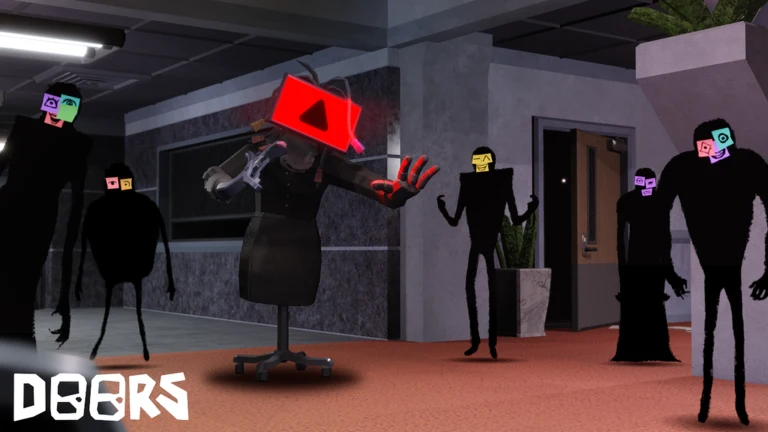
One title detail is easy to miss. The approved selection labels the game DOORS 👁️, while the live Roblox page and current universe metadata show DOORS 👔. The Roblox universe ID is the same, but the display label has drifted. The experience is escape horror rather than a base or resource sandbox, and the official page warns about loud sounds and flashing lights. Its group-based Revive can offer a second chance, but it is not a promise that every death can be undone. Headphones and high graphics are recommended, so check the group's device and comfort before starting.
DOORS
12. Flood Escape 2
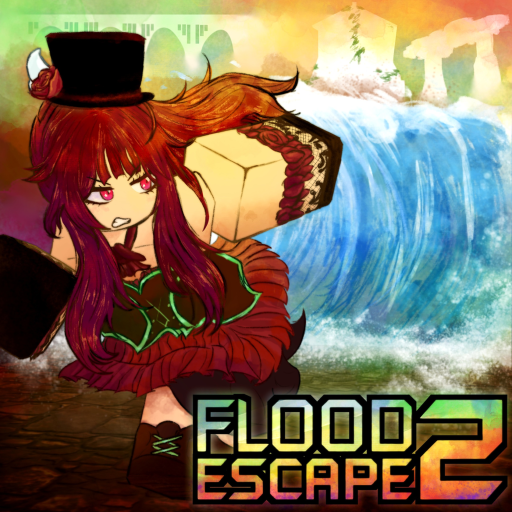
Flood Escape 2 is the short-session choice for friends who want survival pressure measured in jumps and button calls. Pick a map, move through the course, press the buttons that open the route, and reach the exit before water, acid, or lava closes it. Swimming, sliding, diving, wall-jumping, and ziplines give the movement its own skill floor.

Unlike Natural Disaster Survival, this game gives the group a route to complete. Friends can call out a button, wait for a slower player, or decide whether a risky jump is worth the seconds it saves. The map pool, modifiers, events, badges, and movement mastery support repeat play, but higher difficulty can punish one missed jump. It is obstacle survival, not crafting, food, or base management, so invite the friend who enjoys practice and quick failure.
Flood Escape 2
13. Evade
Evade is the frantic chase pick. Movement and parkour are the way to survive Nextbots, so the group spends its time reading cover, breaking line of sight, and deciding how far to push a rescue. A downed teammate can turn a simple escape into a choice between reviving, distracting the threat, or keeping moving.
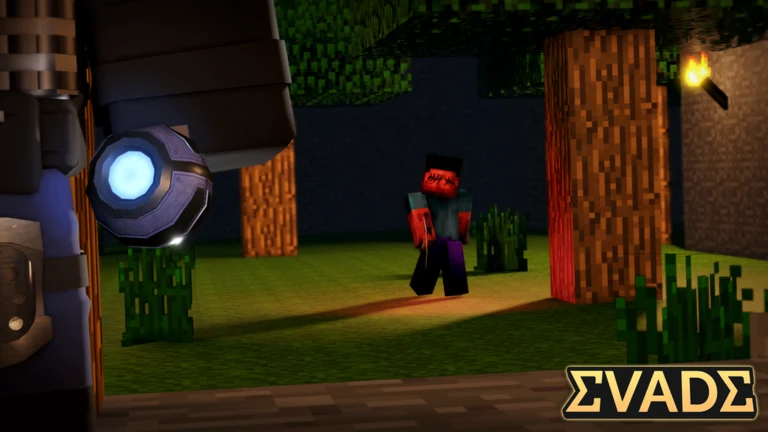
That rescue decision is the point. Cash, experience, utility items, map routes, and movement mastery give repeat rounds a little shape, but the game is much more about execution than building a home base. The speed and camera control create a real skill floor, and public lobbies can get chaotic. Flashing lights and loud sounds are listed warnings. Use the stable title Evade in the article even though the approved selection included a temporary update tag.
Evade
14. Isle
Isle is the discovery pick, where the group treats every death as a clue. The game drops friends onto an island with little direction and asks them to explore, inspect journals, test routes, and learn which areas or approaches are unsafe. The first run works best when nobody rushes to an external guide. Information is the progression.
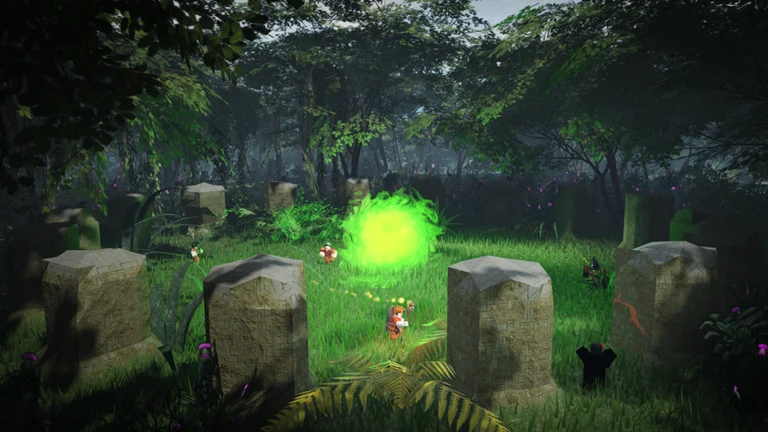
That makes Isle a different kind of co-op. Friends can explore in parallel, compare clues, and regroup when a route or threat becomes clear, but the research does not support claims of shared inventory, formal roles, or a fixed party cap. Journals, badges, route knowledge, and escape goals provide reasons to return. Sparse onboarding, repeated deaths, horror, and an incomplete finale are real warnings. The official page says the finale is still planned, so this is playable discovery content rather than a finished story.

15. Natural Disaster Survival
Natural Disaster Survival is the quick shared-threat option, not a formal co-op campaign. Move from the lobby to the selected island, read the map during the brief preparation period, and decide whether to shelter or stay mobile. When the disaster arrives, everyone reacts to the same problem, but each player still has to survive.
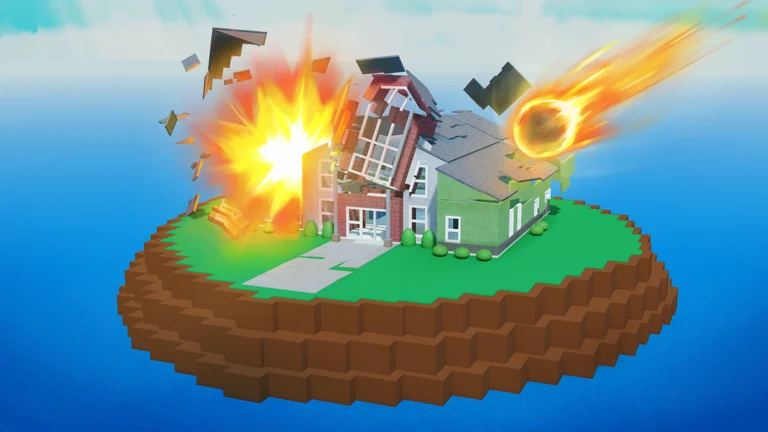
Friends can point out a high ledge, share shelter, or warn about a collapsing structure, yet the game does not assign team jobs or a shared win condition. The map and disaster combination creates replayable chaos, while the light permanent progression keeps the setup easy. Falls and natural hazards are the main warnings. Pick it between longer sessions when the group wants a few quick rounds without learning a crafting tree.
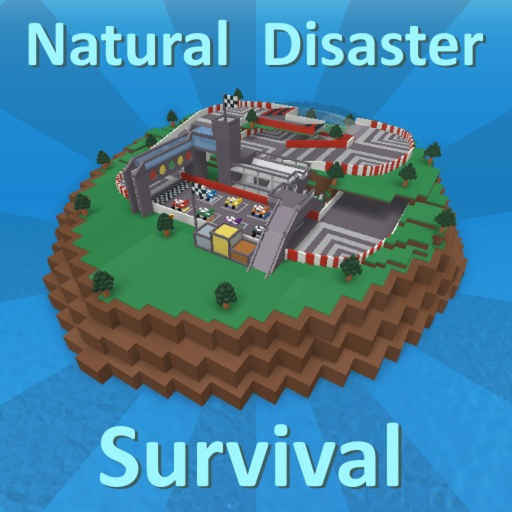
Natural Disaster Survival
Start with 99 Nights in the Forest for the clearest shared camp, Dead Rails for a moving convoy, or 100 Days At Sea for a raft that doubles as home and workbench. Choose Dandy's World or Pressure when communication matters more than crafting, Apocalypse Rising 2 or Booga Booga when PvP is part of the appeal, and Flood Escape 2 or Evade for faster sessions. DOORS and Isle reward groups that enjoy learning through failure. Natural Disaster Survival is the easiest low-commitment test. Read the warnings before you invite everyone, especially for horror, flashing or loud effects, Alpha development, PvP loss, and the higher skill floors.
FAQ
What is the best Roblox co-op survival game to play with friends?
99 Nights in the Forest is the strongest starting point if the group wants a shared camp, a common threat, and clear jobs around gathering, fuel, crafting, and scouting. Dead Rails is a better first pick for a moving expedition, while 100 Days At Sea works for friends who want a raft to build and defend.
Which games here have formal co-op objectives?
Dandy's World gives players machines to complete and an elevator to reach, while Flood Escape 2 gives the group a route, buttons, and a shared escape goal. Dead Rails, 99 Nights in the Forest, and 100 Days At Sea create shared tasks without assigning permanent roles. Natural Disaster Survival is different. The lobby faces the same hazard, but the game has no formal team objective. DOORS, Evade, and Isle are survival-adjacent choices built around shared information, rescues, or route learning.
Are these Roblox survival games suitable for casual or horror-sensitive players?
Natural Disaster Survival and Flood Escape 2 are the easiest low-setup choices, although Flood Escape 2 has a real movement skill floor. 99 Nights in the Forest, 3008, Dandy's World, Pressure, DOORS, Evade, and Isle all use horror, chase, or threat pressure in different ways. Pressure and DOORS also recommend headphones and high graphics, and several games warn about loud or flashing effects. Check the official page and the group's devices before starting.
Do private servers make the sandbox games fully cooperative?
No. The Survival Game and Booga Booga both keep PvP or server behavior in the picture. The research does not support promising a completely safe or fully persistent private co-op world, and Booga Booga guidance specifically warns that some items or temporary contents can reset when a server empties. Treat a private server as a way to organize the group, not as a guarantee that every loss or persistence rule disappears.