

A co-op survival game earns its place when your friends change what happens next. One person keeps the campfire alive, another scouts a cave, and someone else calls out a key or risks the next button. These 15 picks move through shared camps, moving trains, raft bases, medieval settlements, improvised store shelters, tribe PvP, mascot horror, tactical scavenging, wave defense, deep-sea stealth, escape horror, parkour, island mystery, and shared disasters. The last few are survival-adjacent by design, so the list says when a game gives you a formal group objective and when everyone is simply facing the same threat.
1. 99 Nights in the Forest
99 Nights in the Forest is the clearest camp-first recommendation here. During the day, gather wood and stone, improve the campfire, make basic gear, and search the forest or caves. The group needs to return with food and fuel before darkness turns the camp into the center of the problem. At night, the Deer hunts outside. A flashlight can stun it, but it cannot be killed, so keeping the fire supplied matters more than chasing a boss.
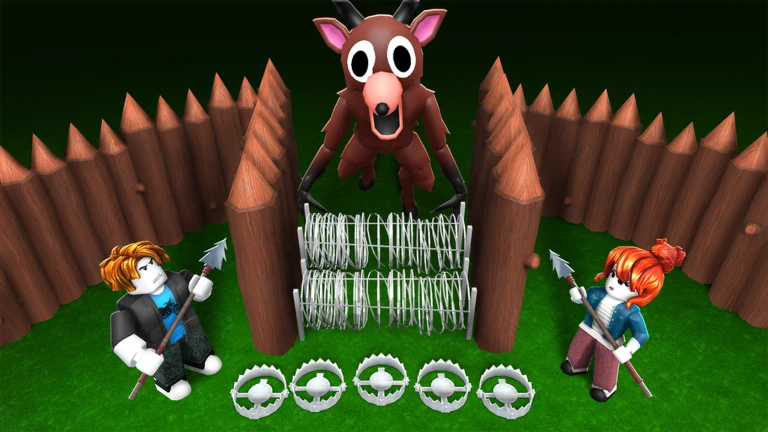
That gives each friend an obvious job without locking anyone into a class. One player can scout, one can gather, another can cook or craft, and the group can decide whether a dangerous retrieval is worth leaving the camp. Campfire upgrades, walls, beds, traps, and the rescue objective give repeat attempts a shape. Hunger, darkness, getting lost, and forest horror make the first run less gentle than its blocky look suggests.

99 Nights in the Forest
2. Dead Rails
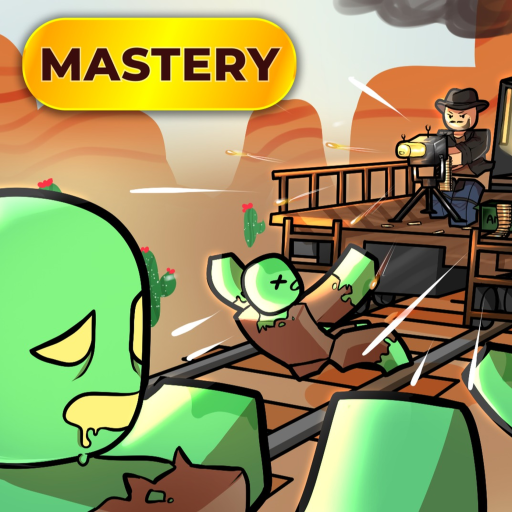
Dead Rails makes the base move. Friends board a train in an 1899 zombie-plague setting, cross the desert toward Mexico, and search settlements or forts for what keeps the expedition going. Looting means weighing weapons, ammunition, medical supplies, valuables, and coal against the need to get back aboard. Every stop asks the same question: is this haul worth the danger and the time away from the train?
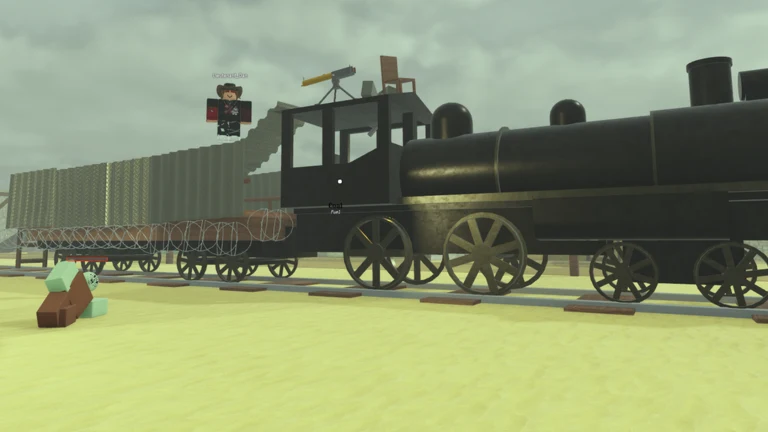
The train is transport, fallback point, and shared responsibility. Class choices can support different jobs, but the article does not need a fixed role chart to explain the appeal. Someone watches fuel, someone searches, and others cover the retreat. A greedy stop can leave the whole convoy exposed. Zombie horror, combat, night pressure, and the cost of a failed run make Dead Rails a better fit for groups that enjoy a tense expedition than friends looking for a relaxed builder.
Dead Rails
3. 100 Days At Sea
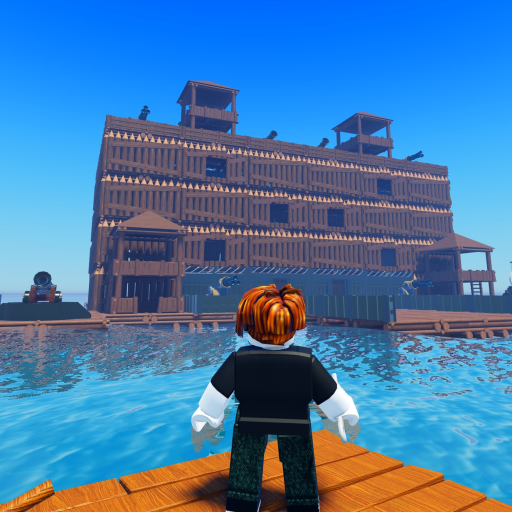
100 Days At Sea starts with a bare raft and a lot of practical work. Use a harpoon or fishing tool, collect floating wood and salvage, find food, and build a compact work area around the bonfire. From there, the group can visit islands, gather more materials, expand the raft, and prepare defenses against attacks that make the ocean feel less empty.
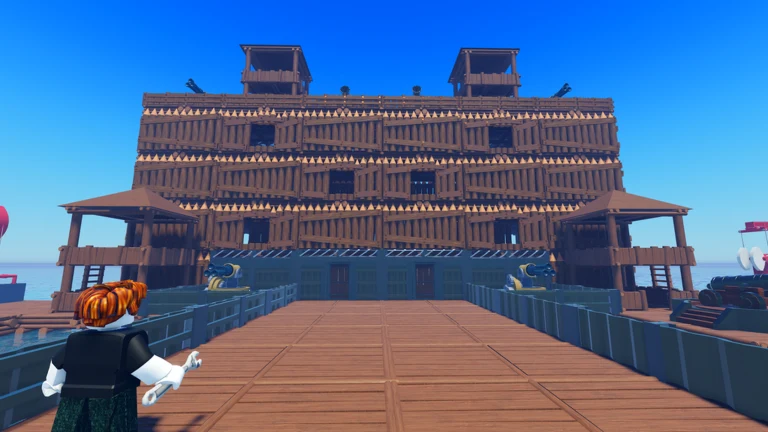
The raft is the shared inventory and shelter, even when the game does not assign formal jobs. One friend can gather or fish while another sorts supplies, feeds the bonfire, cooks, or prepares the next build. Boats, structures, defenses, classes, companions, tougher islands, and boss goals give the world more shape than a single floating platform. Resource sorting and early repetition are real friction, and a group that expands too fast may make the raft harder to protect. Sea predators and night raids keep this from being a peaceful decorating game.
100 Days At Sea
4. The Survival Game
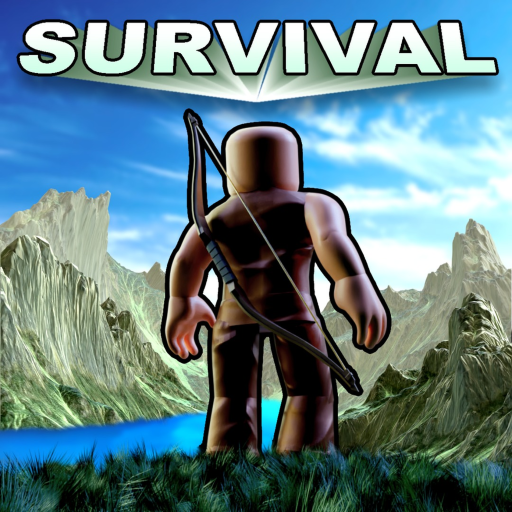
The Survival Game is the sandbox pick for friends who want to build a settlement rather than follow a guided co-op campaign. Start with food, wood, stone, basic tools, and shelter, then move into cooking or farming, better equipment, and larger construction. The official premise points toward kingdoms with other players, and that player-made goal is the reason to bring a group.

That freedom comes with public-server politics. Friends can cooperate, trade, ally, or fight, and a good base still has to survive raids or hostile players. The material and furnace path gives patient groups a reason to keep improving a settlement, but the skill floor is higher than a short-round game. Private-server behavior and persistence were not fully reverified in the research, so do not assume a private server creates a completely safe, permanent co-op world. Choose this when the group wants to decide what to build and can accept PvP as part of the rules.
The Survival Game
5. 3008
3008 turns a furniture store into a cooperative engineering problem. Search the aisles for food, medical supplies, and useful furniture, then use whatever you find to make walls, roofs, towers, storage, or hiding spots. The store's safer period is for gathering and building. When the lights go out, the Employees become hostile, and the base has to withstand more than a flat wall.
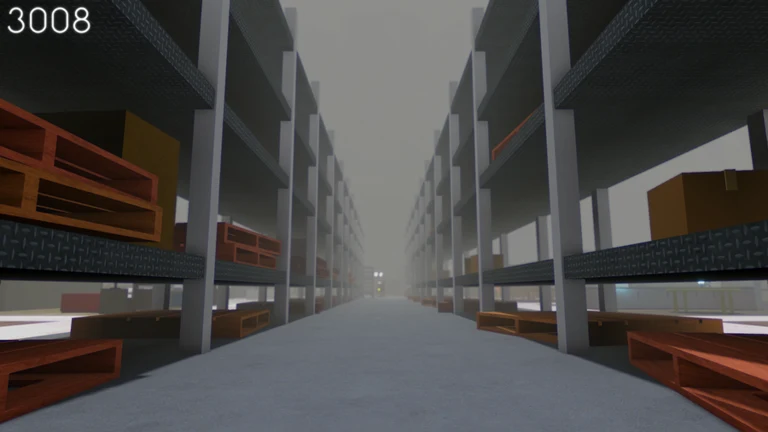
That environment creates a clean split of work. One player can search while others carry supplies, build, test entrances, or plan a route back to food. Furniture physics, sight lines, store geometry, hunger, and energy matter as much as the shape of the shelter. Darkness and horror encounters can be rough for a new group, and public bases may be disturbed by other players. The appeal is the improvisation. No two groups need to fortify the same aisle in the same way.

6. Booga Booga
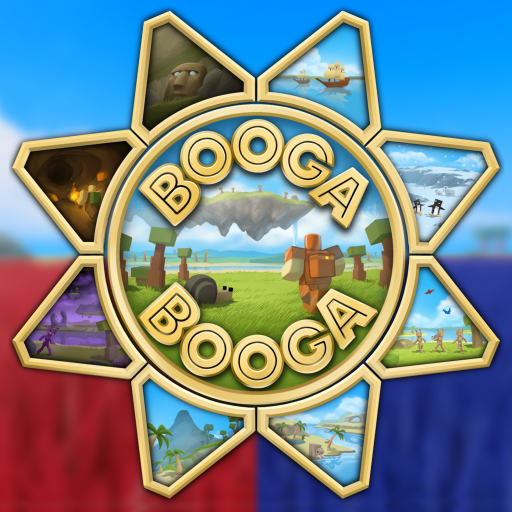
Booga Booga is the tribe-war sandbox for friends who want to gather and defend a base while other players remain part of the danger. The official experience centers on an open world, resource gathering, caves, islands, base building, and attacks between tribes. A normal start means collecting wood, stone, food, and ore, making basic tools, then improving the camp and equipment.
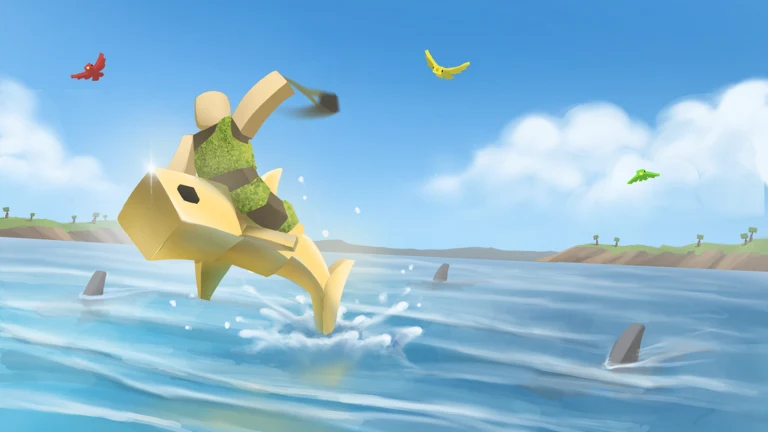
Friends can divide mining, gathering, cooking, building, scouting, and defense, with a tribe totem helping define the base. The wider server still matters. PvP, raiding, griefing, and gear loss make this a poor choice for a group expecting protected PvE co-op, and even a private server does not guarantee that every item or temporary resource survives when the server empties. The exact live title is Booga Booga [SHELLY 🐚], not the competitor label Booga Booga [REBORN]. Treat it as a player-driven survival sandbox, not a guided campaign.
Booga Booga
7. Dandy's World
Dandy's World has the clearest job split among the horror picks. Players team up with Toons, complete machines, move down through Gardenview Center, and stay ahead of Twisteds. A failed skill check can draw danger, so the group is constantly choosing which machine to work on, who should pull a threat away, and when to run for the elevator.
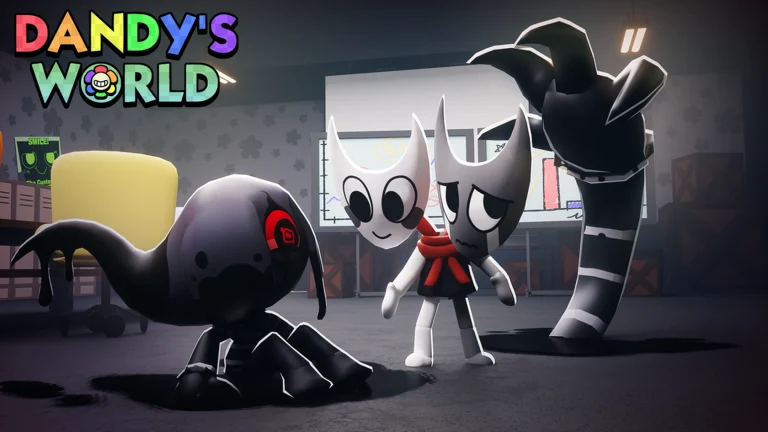
Those jobs are practical, not a permanent class system. An extractor works a machine, a distractor pulls a Twisted away, and support players carry items, gather Research, or help injured teammates. Toon abilities, Trinkets, Research, and Mastery give repeat runs a reason to change. The visible warning is the Alpha label, along with possible bugs or shutdowns, bright or flashing lights, and mascot horror. The teamwork is strong, but the game is still a work in progress.

Dandy's World
8. Apocalypse Rising 2
Apocalypse Rising 2 is the tactical choice for a group that wants a scavenging trip to feel dangerous because other players are part of the problem. Search towns and countryside for food, ammunition, weapons, utilities, attachments, and vehicle parts. Cars and boats can carry friends and loot, but fuel, repairs, and route choices turn every move into a risk assessment.
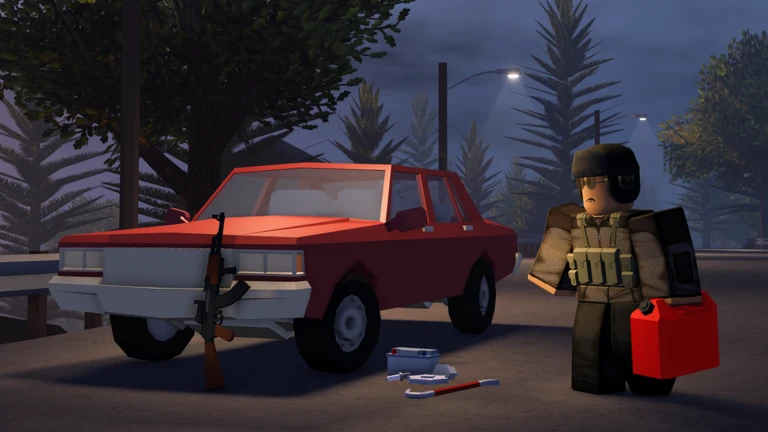
The group can split responsibilities naturally: a driver watches the route, one player scouts, and others search or cover a retreat. Infected are only one threat. Human players, ambushes, hydration and energy upkeep, and the loss tied to death push the skill floor well above the casual entries here. This is high-friction PvPvE, not a friendly PvE server. Pick it if your group enjoys planning and accepting that a good expedition can end with lost loot.
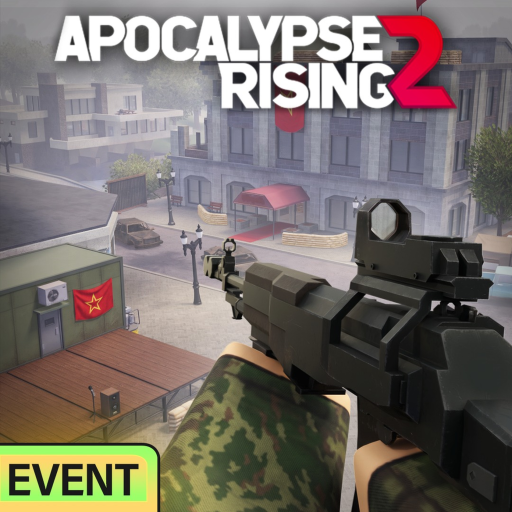
Apocalypse Rising 2
9. Survive Zombie Arena
Survive Zombie Arena understands the appeal of a quick co-op session. Enter a shared arena, hold against zombie waves, earn Credits, and spend them on weapons, equipment, and defenses while the pressure rises. The central decision is simple: where can the group hold, and which purchase helps it keep that position?
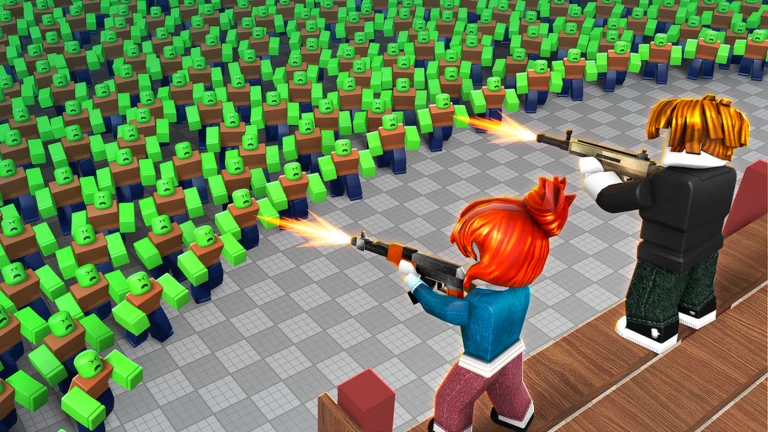
That clarity is a strength. Friends can call out a weak side, place or repair defenses, and decide whether to save Credits or spend them before the next wave. Weapons, classes, maps, and wave goals add reasons to return, but the loop is more repetitive and less exploratory than 99 Nights or 100 Days At Sea. Zombie shooting is the whole point, and the official title currently carries a Pirate Event prefix that may not be permanent, so the article uses the stable name Survive Zombie Arena.

Survive Zombie Arena
10. Pressure
Pressure turns co-op into a conversation about sound, distance, and whether the next room is worth the risk. The group descends through the Hadal Blacksite, searches for keycards or code solutions, conserves batteries and healing, and hides from entities when an audio cue says something is close. One player may spot a warning, another may find the key, and everyone has to decide whether to wait or move.

Pressure is less role-based than Dandy's World. It rewards attention, resource choices, and staying close enough to share information rather than assigning a permanent extractor or distractor job. It supports solo or small-group runs, but the reviewed evidence does not establish a party cap safely enough to print one here. Shops, achievements, modifiers, Endless Mode, Crystal retrieval, and extraction give repeat runs direction, but the exact route can change. The official page labels the game Alpha, recommends headphones and high graphics, and warns about bugs. Add body-horror themes, loud audio, and flashing effects to the decision before inviting a casual group.