

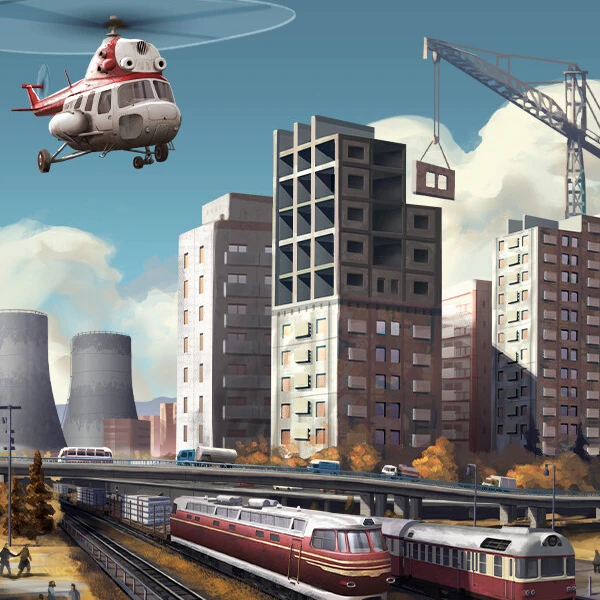
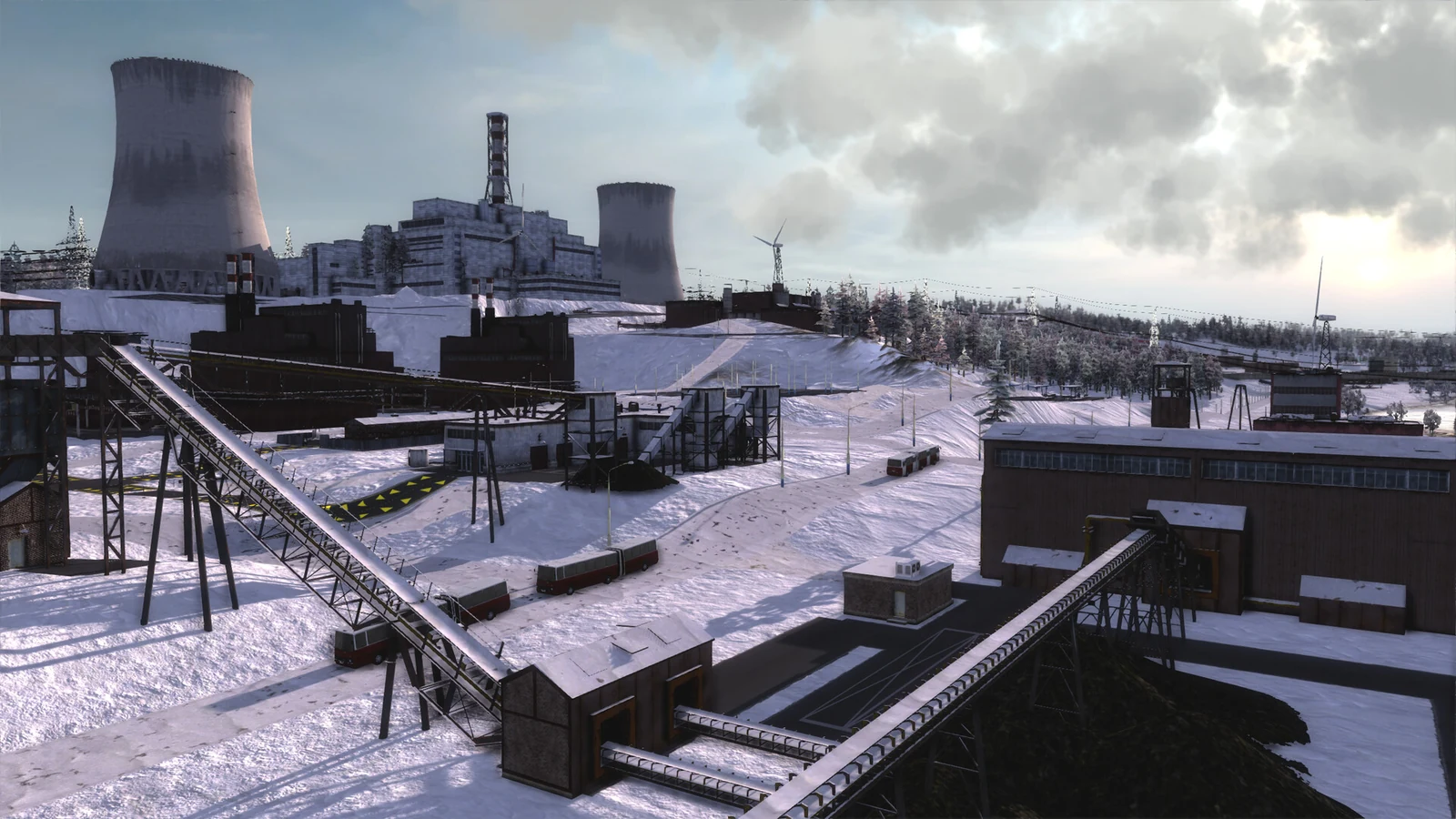
Workers & Resources: Soviet Republic is a city builder where you grow a working republic from an empty map. You gather and process raw materials, make goods from them, and connect everything with roads, rail and other transport, all while making sure citizens have homes, jobs, food and services. Before you begin, you choose a map, a start year and a difficulty, then decide which simulations to turn on, such as seasons, pollution and crime. Those choices control how much money you start with in Rubles and Dollars, and which buildings and vehicles you can use.
A new republic starts in planning mode, and the game stays paused while you lay out the city so no time is lost. You place homes, bus stops and the shops, hospitals and other services citizens rely on, connect them with roads and footpaths, then add utilities and the factories that give people jobs. When you unpause, each building can be paid for on the spot with Rubles or Dollars, which is convenient but expensive, or it can be built from materials that trucks deliver, which is the cheaper route. Realistic mode switches off paying on the spot, so every material has to be delivered.
Once the city is running, the work becomes keeping supplies moving. You import what you can't make yet through a Customs House, and trucks, buses and trains carry goods and workers to the places that need them. As your production chains mature, you can export finished goods through the customs house or develop tourism to earn money. Over time, the aim is to expand into a republic that pays its own way and needs less from outside, and that only works while citizens stay content.
- Developer
- 3Division
- Publisher
- Hooded Horse
- Release
- Early Access (Windows PC): 2019-03-15 · Full release (Windows PC): 2024-06-20
- Platforms
- Windows PC
Game data
Production Buildings
Production buildings are the farms, mines, factories and workshops that turn raw materials into food, building materials, fuel, steel and electronics. Most work as chains, where one building's output becomes the next one's input, so a shortage at any step slows everything after it. They need workers, and many also need power and water, while fields, mines, woodcutting posts and pumpjacks supply the raw materials that start each chain. Research unlocks many of them, so some only become available later in a game.


Resources
Resources are the materials, utilities, and waste that move through Workers & Resources: Soviet Republic. Mines, farms, and woodcutting posts supply the raw inputs, and factories turn them into goods for construction, citizens, power and water systems, recycling, and trade. Each group of resources has its own storage and transport rules, from dump trucks and conveyor belts to tanks, pipelines, and refrigeration.


Rail Vehicles
Rail vehicles in Workers & Resources: Soviet Republic cover locomotives, trainsets and motor units, trams, metros, passenger and freight wagons, and track builders. Locomotives pull wagons, self-propelled trainsets and motor units carry passengers on their own, and trams and metros run on their own rail infrastructure. Players buy them at depots, assemble trains there, and use track builders to lay new track for rail construction offices.
Cargo Road Vehicles
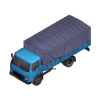
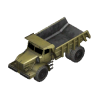
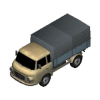
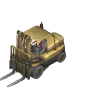
Cargo road vehicles are the trucks that move goods, raw materials and finished products between buildings in Workers & Resources: Soviet Republic. Each body type suits a particular kind of load, from covered hulls and dumpers to oil tanks, dry bulk tanks, refrigeration bodies and livestock trucks. You can run them on routes you set up yourself or let a distribution office manage them. Forklifts are the exception, using factory connections between buildings instead of public roads.
Passenger Road Vehicles
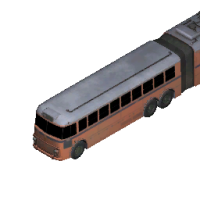
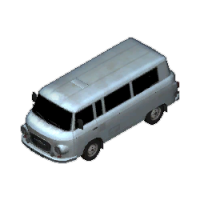
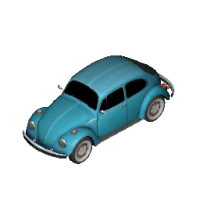
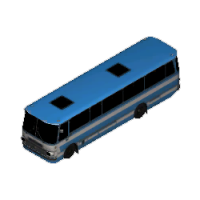
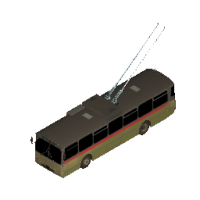
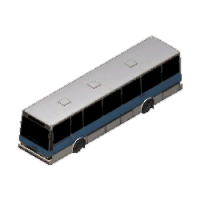
Passenger road vehicles are the buses, trolleybuses and personal cars that carry citizens and tourists to jobs, schools, leisure spots and shops. Buses and trolleybuses can be spaced out along their routes with end stations, and trolleybuses need electrified roads to run. Personal cars can be handed out through car dealers, and the group runs from horse-drawn wagons to models from the 1990s.
Construction Vehicles
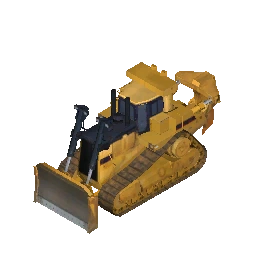
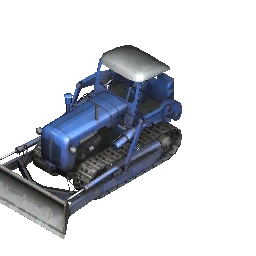
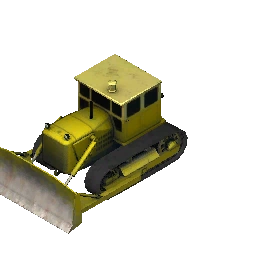
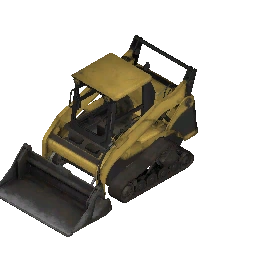
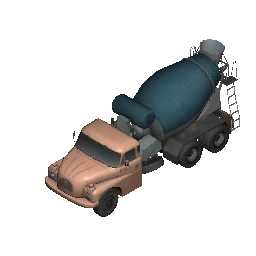
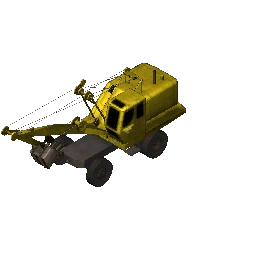
Construction vehicles are the machines that do the hands-on building work when you choose to build with resources instead of paying for instant construction. They are assigned to a construction office, which sends them to pick up materials and carry them to the site. The range runs from horse-drawn machines dating from 1850 to modern models, including bulldozers, excavators, concrete mixers, pavers, rollers, road cranes, and tower cranes.
Service and Emergency Vehicles
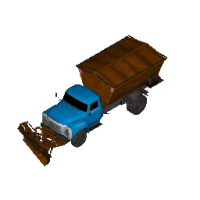
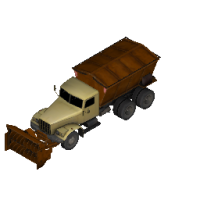
Service and emergency vehicles are the road vehicles that collect garbage and wastewater, deliver water, clear snow, and handle ambulance, fire, police and prison work in Workers & Resources: Soviet Republic. Each one is bought for a specific civic service and assigned to its matching building, such as a fire station or a technical services building. Water, sewage and waste vehicles only come into play when their system is turned on in the game settings. The range runs from horse-drawn carriages to newer trucks and cars.
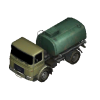
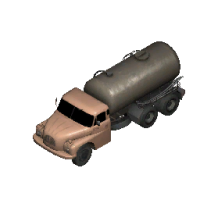
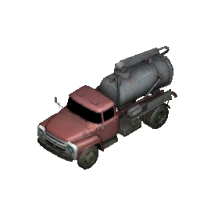
Agricultural Vehicles
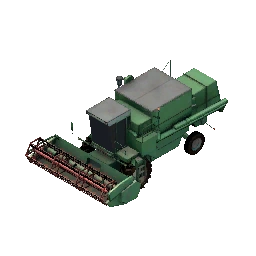
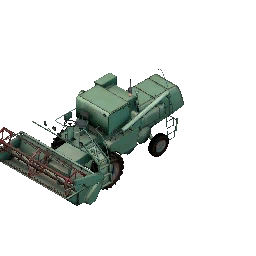
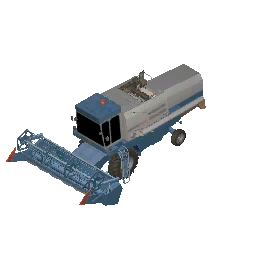
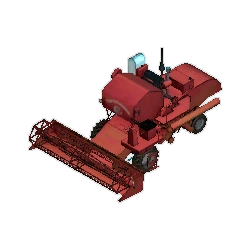
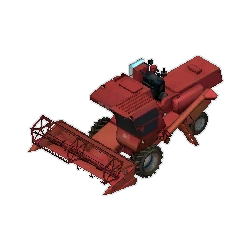
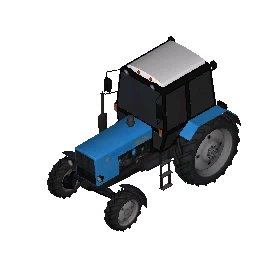
Agricultural vehicles are the tractors and harvesters that work crop fields. Sowing tractors plant crops and fertilise fields, while harvesters gather crops once they mature. Each farm houses its vehicles and works the fields assigned to it.
Workers & Resources: Soviet Republic gameplay tips
- Choose a spot close to a Soviet Customs House. Soviet-side trade is done in Rubles, and you usually start with more Rubles than Dollars, while Western-side trade uses Dollars. Delivery fees rise with distance from a Customs House, and starting near the map edge lowers them further.
- Put clean workplaces beside homes and push polluting plants further out. Shops and offices work best near the housing, since citizens like to walk and dislike pollution. Steel mills and brick factories can sit farther away, but they should still be reachable by bus or train within four hours, because citizens will not stay in a single vehicle longer than that.
- Set up your first bus route with two stops that people can walk to. Place two bus stops, buy a bus from a Road Vehicles Depot, then create the route by choosing the stop where passengers get on and the stop where they get off. Residents need to walk from home to a stop, and workers need to walk from the stop to work, because without private cars, people only travel between buildings within walking distance.
- Name a source for every material before you rely on the Construction Office. Assign gravel to an aggregate storage, steel and bricks to open storage, and supply workers through a public transport stop. The office has no storage of its own, so any material without a named source never arrives and the office sits idle.
- Keep a reserve of Rubles and Dollars and build the important pieces first. You won't produce anything for a while, so your money has to cover vehicles, new citizens and imported goods. Start with housing, utilities and the factories that matter most, and hold off on the rest until your supply lines are running.
- Read the red remarks on housing and act on them. Click a residential building and check the red notes, which spell out what its citizens are missing. Fixing those gaps keeps happiness up, since unhappy citizens produce less and may leave the republic.