

Most Roblox tycoons stop at the next button. The interesting ones make you manage a chain of decisions: route a resource, buy stock without strangling cashflow, keep a queue moving, or decide whether a risky bid will fit in the vehicle. These 9 picks cover factory planning, storefront economics, guest flow, restaurant service, auction resale, prison operations, and open-ended production.
I put the heaviest systems first and keep the caveats in view. Some games are beta or still in development, and one of the retail picks labels several planned features as upcoming. That matters if you want a polished business sim instead of a promising work in progress.
1. Industrialist
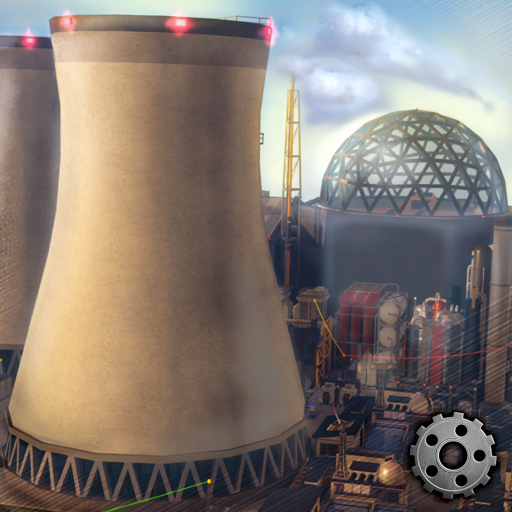
Industrialist is the closest fit here to a factory-management game. You place extractors on resource nodes, connect machines into production lines, provide power, and sell finished goods. The interesting part is the chain itself. A missing connection or undersupplied input stops the output, so factory layout is a working decision rather than a decoration project.
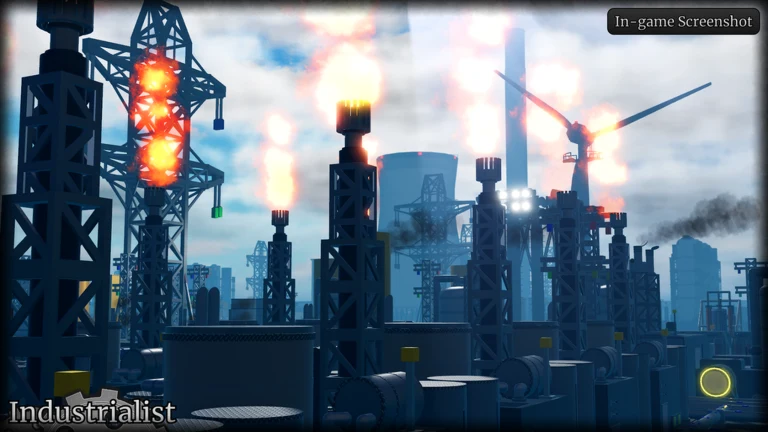
Research points open machines, recipes, and utility branches, while pollution can cut into income and push you toward scrubbers that consume power and water. You are always weighing a short, dependable product line against a more complicated chain that may pay better but creates more points of failure. The official page labels Industrialist Beta v1.0, warns about a steep learning curve, and notes bugs and changes. Start here if you enjoy learning a system. Expect the game to ask for patience.
Industrialist
2. Retail Tycoon 2
Retail Tycoon 2 is a store operation in a more familiar key. Build the sales floor, place shelves and registers, choose products, buy stock, and open the doors. Cash gets tied up in inventory and wages, while shelf and storage capacity limit how much the store can handle. That gives expansion a real cost before the customer traffic even becomes a problem.
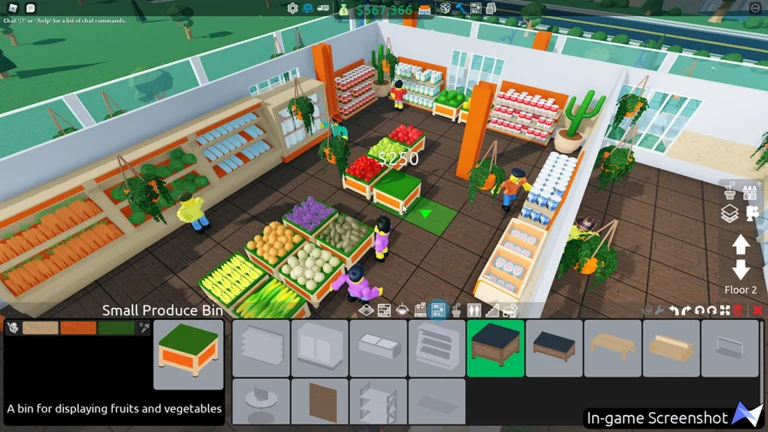
Cashiers, restockers, janitors, guards, delivery drivers, and managers let you decide how much work stays in your hands. The manager reference documents automatic purchasing for shelves when the store has money, so staffing changes how hands-on the store feels. One-way gates and customer pathing controls also make aisle flow a design problem. A bigger assortment looks good on paper, but growing too fast can leave you carrying too much stock and paying for too much staff. Community documentation can lag behind the live build, so treat exact wages, margins, and employee behavior with care.
Retail Tycoon 2
3. Theme Park Tycoon 2
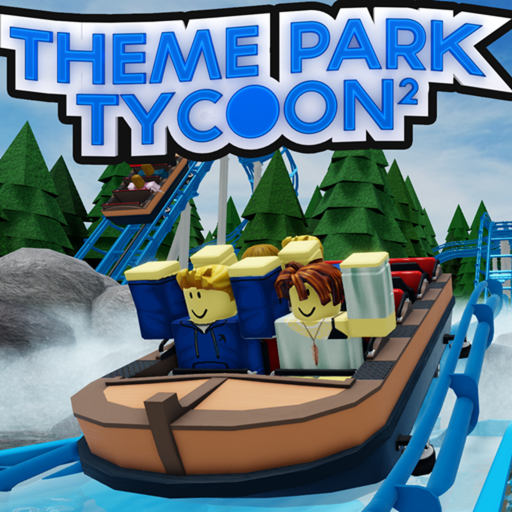
Theme Park Tycoon 2 turns visitors into flow problems. Build rides and coasters, connect entrance, exit, queue, and regular paths, then place stalls, restrooms, seats, and trash cans where guests can use them. Guests ride attractions and buy from stalls, but poor navigation or unmet needs can lower happiness and send them away. A pretty park with a bad route is still a bad operation.
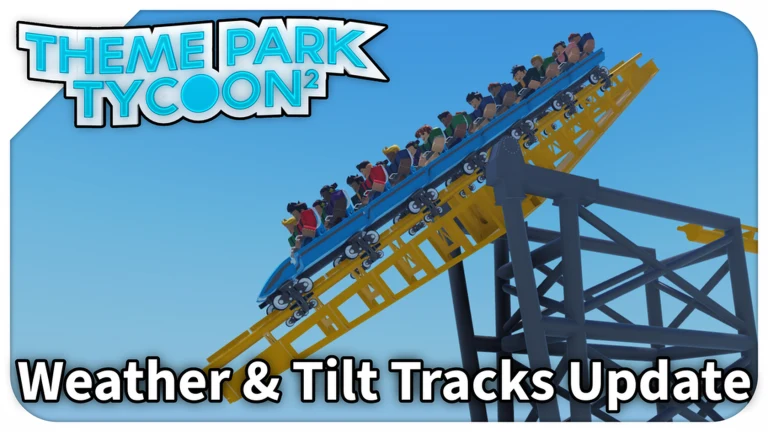
The trade-off is between adding the next attraction and keeping the existing park usable. Full queues, expensive rides, missing food or drink, poor rest areas, litter, and confusing paths all create different problems. You have to spend space and money on visitor care as well as rides. The guest and rating references are community-maintained, so exact price thresholds and formulas are not promises here. This is a strong visitor-flow builder, not a staffing or inventory simulator.
Theme Park Tycoon 2
4. Restaurant Tycoon 2
Restaurant Tycoon 2 asks you to arrange a kitchen and dining room, cook or serve dishes, collect bills, and reinvest in the operation. Chefs need suitable kitchen equipment. Waiters seat customers, take orders, serve food, and collect dishes. Workers have happiness and break behavior, and over-seating customers can create more work than the staff can cover. Staffing is a capacity choice that affects what the restaurant can handle.
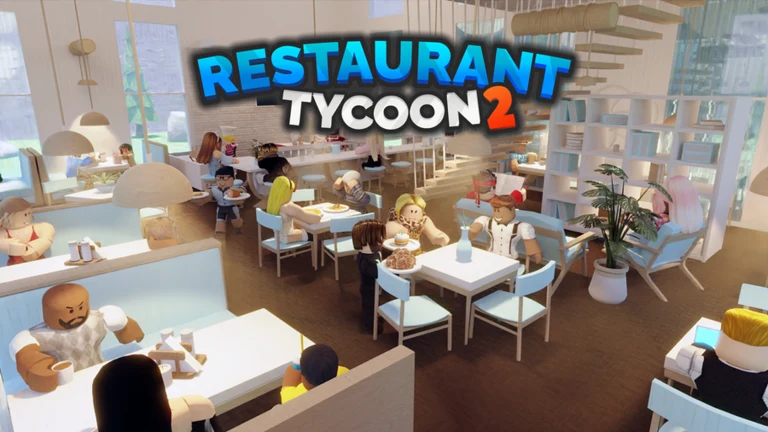
The ratings split across service, food, design, popularity, and eco factors, so a fast kitchen cannot fix every weak spot. You can stay hands-on with cooking and serving or rely more on workers as the restaurant grows. The useful decision is whether to add seats and dishes faster than your kitchen, equipment, and staff can support. It is a mature, well-documented pick, but exact rating weights, menu margins, and one perfect layout are not claims this article can make.
Restaurant Tycoon 2
5. Storage Hunters: Open World
Storage Hunters: Open World is the list's oddball business. Value is hidden inside a locker, and your capital is on the line before you know what the haul will be. Bid on a locker, load the finds into a vehicle, drive back to the shop, sell them, and use the proceeds to improve the shop or unlock more areas. Vehicle capacity, inventory, selling space, and route length all matter before the sale.
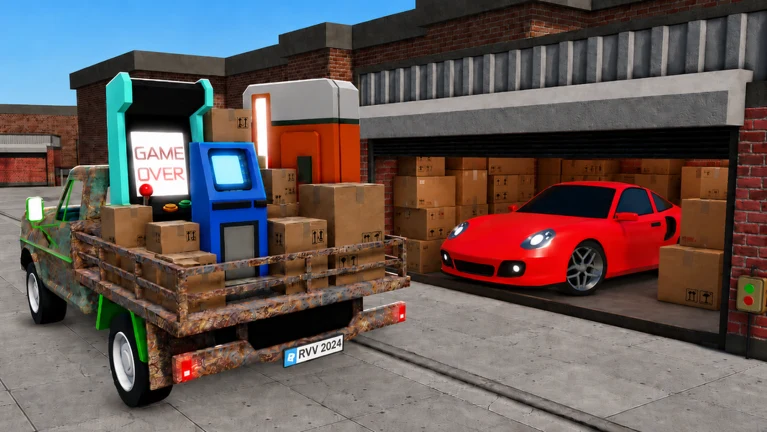
A sensible bid is not always the biggest one. You have to compare the visible clues and possible value with the bid price, available capacity, travel cost, and bankroll you need for the next auction. Rare items and mutations add discovery, but randomness can make progress uneven. This is a new experience, so its post-tutorial depth, balance, and monetization are less proven than the older tycoons here. Choose it for risk and resale, not for the certainty of a fixed factory chain.
![[🚨] Storage Hunters: Open World Roblox game icon](https://tr.rbxcdn.com/180DAY-52185771a20d92e4c7b107949d6ef41c/512/512/Image/Png/noFilter)
[🚨] Storage Hunters: Open World
6. Supermarket Simulator
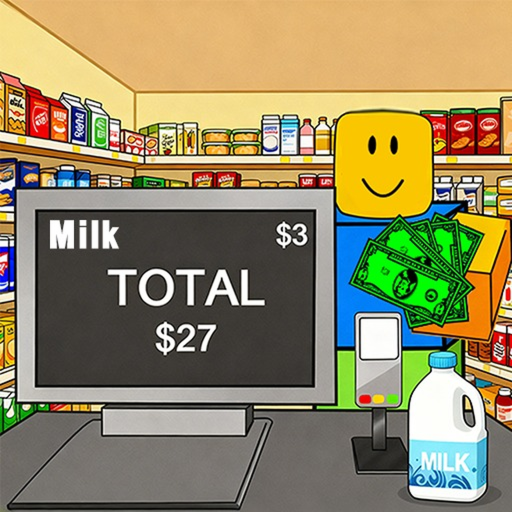
Supermarket Simulator is the most literal day-to-day shop in the list. In the MagicCube Roblox experience, order stock at the store computer, unload it, carry and open boxes, place products on shelves, set prices with shelf tags or the computer, open the store, take payments, clean, and pay the bills. Cashiers and restockers can take over some repetitive work as the store grows.

The appeal is that you can see the work of running the shop, but that work can also become repetitive. Product licenses, shelves, fridges, freezers, registers, storage, and floor expansions give you practical ways to spend progress, while prices, stock, layout, checkout capacity, and staffing create the daily bottlenecks. Keep the claim at hands-on retail management. The official listing labels online orders, delivery, shoplifters, security, and a local market as upcoming, so none of those are live features this recommendation relies on.
Supermarket Simulator
7. Prison Tycoon
Prison Tycoon is a specialist operations game with a serious theme. Build a facility, provide utilities and staff spaces, supply food and other resources, manage prisoner needs and mood, maintain security, assign work, pay bills, and expand without losing control of the budget. The official changelog also documents systems such as infirmaries, canteens, janitors, laundry, loans, and resource-processing work.

That creates a clear tension between services and security, or between taking on more financial risk and keeping the prison stable. The theme includes confinement, escapes, and security management, so it will not suit every reader. The official listing still uses the Beta title and says the game is in development, may contain bugs, and may perform poorly on low-end devices, even though its changelog includes a release entry. Pick it for the operations premise only if you can live with rough edges and a prison setting.
![Prison Tycoon [Beta] Roblox game icon](https://tr.rbxcdn.com/180DAY-c5bba7b0ea1f4217440931469cd9cd7d/512/512/Image/Png/noFilter)
Prison Tycoon [Beta]
8. Oaklands
Oaklands is a physical logistics sandbox. Gather wood or ore, refine and forge materials, build structures, connect conveyors, and use logic with inputs, gates, processors, outputs, and wires. The point is deciding what to process and how much of the work to automate, then routing the physical output through a setup you built yourself. Daily Material Values give the material side of the operation a changing target without turning the game into a conventional staffed store.
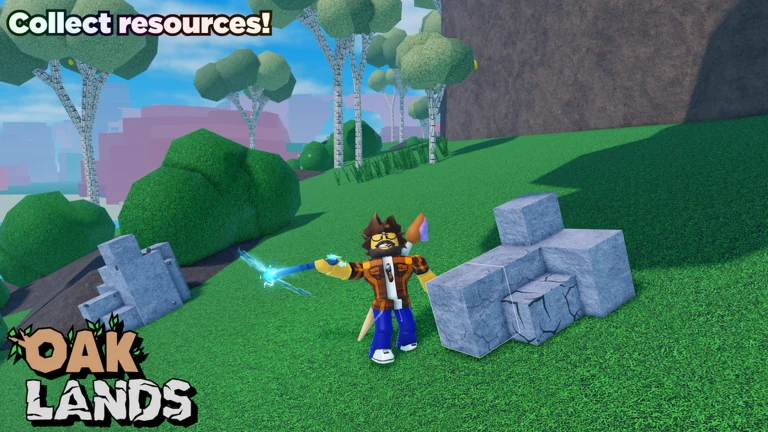
Oaklands does not have the same documented research and pollution layer as Industrialist, and there is little evidence of staffing or customer demand. That is the trade-off. You get more freedom to build a physical machine line, but less direction from a fixed business campaign. The official description says the stock market was replaced by Daily Material Values and that the game remains in development with unexpected issues. Do not carry the older stock-market schedule into your expectations.
![🌳 Oaklands [💎 MATERIAL BUFFS] Roblox game icon](https://tr.rbxcdn.com/180DAY-2161a910618b99e187e657161c76ff0f/512/512/Image/Png/noFilter)
🌳 Oaklands [💎 MATERIAL BUFFS]
9. Factory Simulator
Factory Simulator is a gentler production-chain entry. Harvest wood or ore, build machines, cut or mine resources, refine them, and sell the products. Recipe dependencies give the layout a job: one machine's output feeds the next, while conveyors and floor arrangement shape the chain. Higher tiers open more machines and resources, so the operation grows by adding steps rather than only buying a larger cash generator.
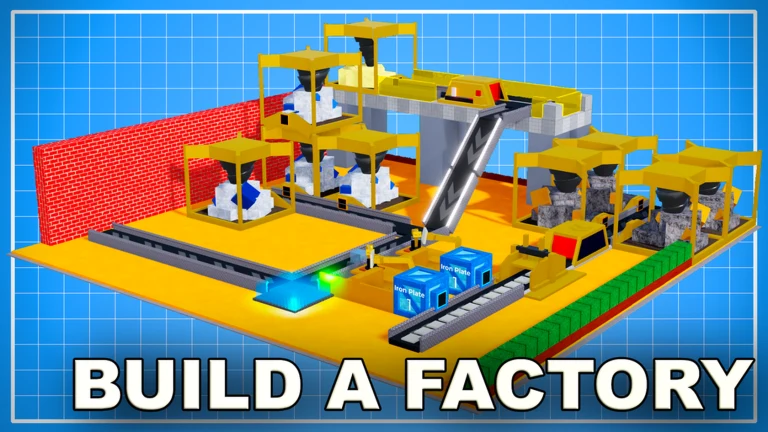
The main choice is which chain to build and how to arrange it. The available evidence does not support claims about workers, labor costs, market demand, or competing expenses, which limits the strategic depth compared with Industrialist or the retail picks. That is also why Factory Simulator is useful here: it can be a readable first step into resource-to-machine-to-product thinking for someone who is not ready for a heavier factory system.
Factory Simulator
Start with Industrialist if you want the heaviest production system. Pick Retail Tycoon 2 or Supermarket Simulator for stores, Theme Park Tycoon 2 for routes and guests, Restaurant Tycoon 2 for service, and Storage Hunters when you want uncertainty. Prison Tycoon, Oaklands, and Factory Simulator make sense when the theme or building style matters as much as polish. The common thread is simple: your layout, stock, staff, or risk changes what happens next.