

In Minecraft, you tame a wild horse by climbing back on each time it throws you off, until hearts appear over its head, which means it's tamed. Craft a saddle from 3 leather and 1 iron ingot, put it on the tamed horse, and you can ride and steer it. Java and Bedrock Edition follow the same basic steps, with a few differences in how you mount, feed and ride.
| Biome | Java Edition spawn chance | Bedrock Edition spawn weight |
|---|---|---|
| Plains | 10.87% | 4 |
| Sunflower Plains | 10.87% | 4 |
| Windswept Savanna | 1.92% | 1 |
| Savanna | 1.92% | 1 |
| Savanna Plateau | 1.47% | 1 |
Where to Find a Wild Horse in Minecraft
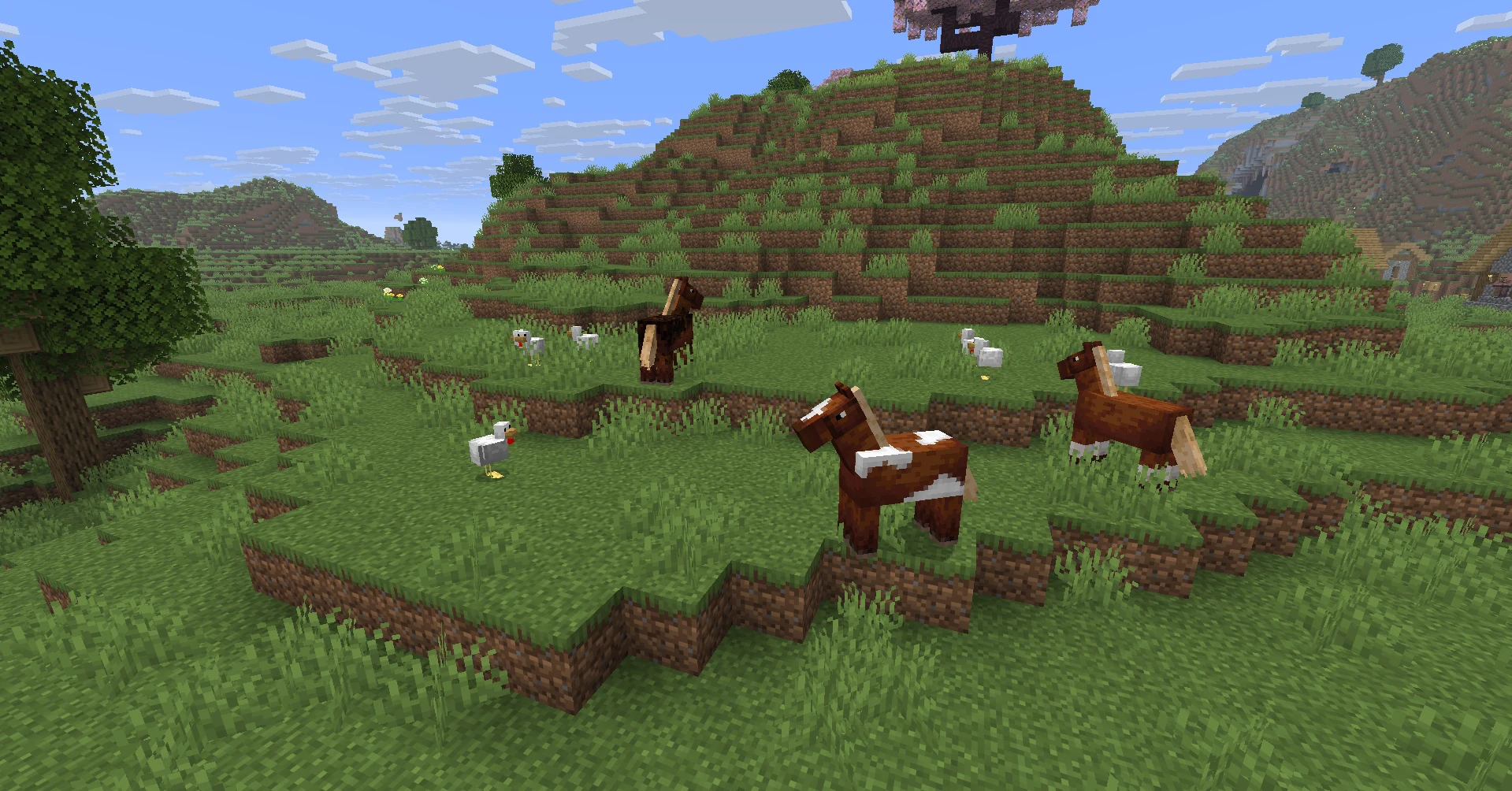
Wild horses spawn in a few open biomes, and plains and sunflower plains are the best places to look. A horse is more than four times as likely to spawn in plains or sunflower plains as in savanna. Java lists a percent chance and Bedrock uses a weight, but both show the same pattern. If you're not sure which biome you're in, every biome in the game lists them all.
Horses appear in herds of two to six, and every horse in a herd shares one base color, though the markings can differ. Open ground also means you can spot a whole herd from a distance. About one in five wild horses is a foal, so look for one that's fully grown. Villages have stables and animal pens with horses in them too.
How to Tame a Horse in Minecraft
Taming is required before you can breed a horse, equip it or control it while riding. The process is the same in both editions, but the way you climb on differs slightly.
- Walk up to a wild adult horse and mount it. In Java Edition, right-click the horse with an empty hand. In Bedrock Edition, you can also mount while holding an item the horse can't use, such as a sword.
- Stay on for as long as you can. When the horse bucks you off, climb back on.
- Keep repeating until hearts appear over the horse's head, which means it's tame.
A wild horse starts with a temper of 0 out of 100. The first time you mount it, the game picks a hidden number from 0 to 99.
While you ride, the game checks the temper against that number at random moments. If the temper is higher, the horse is tamed. If not, it bucks you off, and its temper rises by 5 for the next try.
Because that hidden number differs for each horse, some horses tame after a few tries while others take many. Feeding an untamed horse also raises its temper, which speeds things up.
What to Feed a Horse to Tame, Heal and Grow It
To feed a horse, hold the food and right-click the horse. Food can heal a horse, speed up a foal's growth and raise the temper of a horse that isn't tamed yet. Healing is measured in HP, and 2 HP equals one heart.
| Food | Heals | Speeds up foal growth by | Temper added (untamed horses) |
|---|---|---|---|
| Sugar | 1 HP | 30 seconds | +3 |
| Wheat | 2 HP | 20 seconds | +3 |
| Apple | 3 HP | 1 minute | +3 |
| Carrot | 3 HP | 1 minute | +3 |
| Golden carrot | 4 HP | 1 minute | +5 |
| Golden apple | 10 HP | 4 minutes | +10 |
| Enchanted golden apple | 10 HP | 4 minutes | +10 |
| Hay bale | 20 HP | 3 minutes | None |
Golden apples and enchanted golden apples add the most temper, so they're the best choice for taming. Hay bales heal the most, at 10 hearts, but they add no temper, so save them for a hurt horse. Foals take 20 minutes to grow up if you leave them alone. Bread isn't horse food, so it won't work for any of these jobs.
How to Make a Saddle and Put It on a Horse
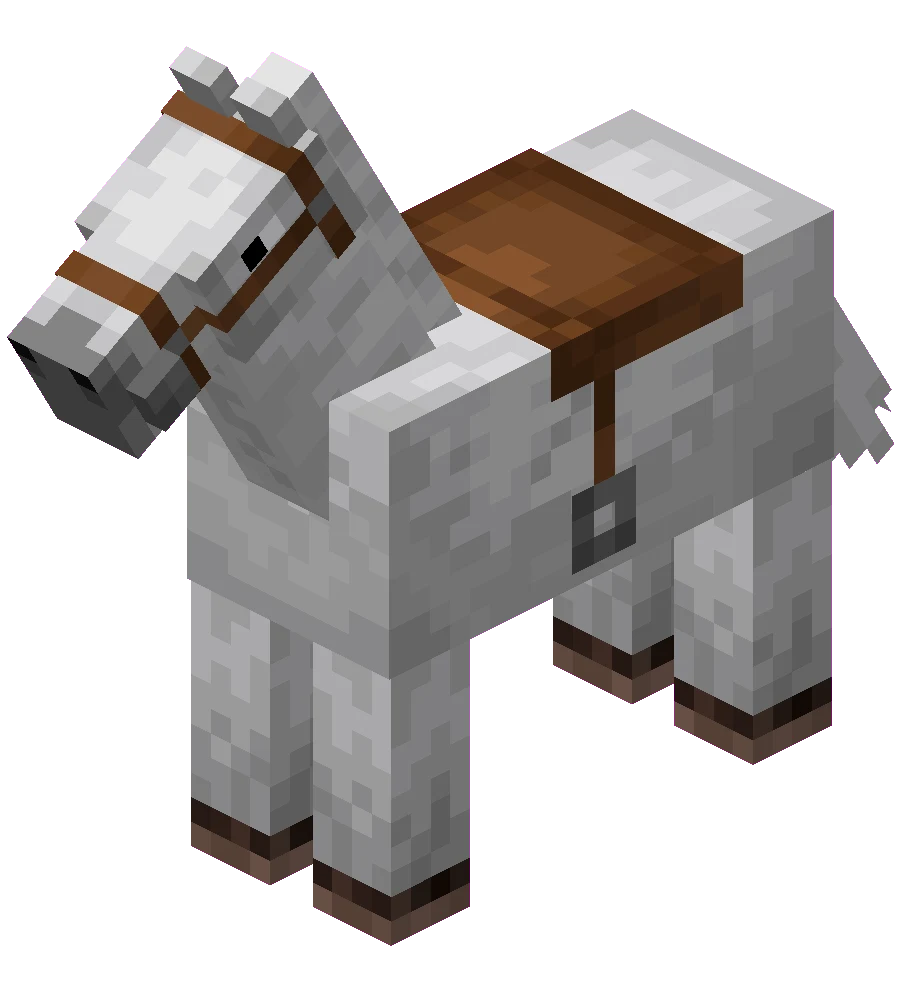
A saddle is the item that lets you steer a tamed horse. A tamed horse can carry a rider without one, but you can't control it until it's saddled.
Craft one at a crafting table:
- Place 1 leather in the top-middle square.
- Fill the middle row with leather, iron ingot and leather, from left to right.
- Hold the saddle and right-click the tamed horse. You can also open its inventory and place the saddle in the saddle slot.
You don't have to craft one. Saddles also come from chests, fishing and villagers. In Java Edition, these are the chances per chest:
- Nether Fortress chests: 33.3%
- Abandoned Camp common chests: 27.5%
- Village tannery chests: 17.3%
- Village weaponsmith chests: 14.4%
- End City chests: 12.7%
- Bastion Remnant hoglin stable chests: 12%
- Village savanna house chests: 11.3%
Bedrock Edition uses the same structures with similar odds. Each fishing attempt has a 0.8% chance to produce a saddle. A Leatherworker villager at Master level sells one for 6 emeralds, and every villager trade in the game lists the other deals.
To take a saddle off, remove it from the saddle slot or use shears on the horse.
How to Ride a Horse in Minecraft
Once the horse is tamed and saddled, you ride it with the same movement keys you use on foot, plus a few extra controls:
- Move: use the movement keys.
- Jump: press Space. Hold it to fill the jump bar, then let go for a higher jump.
- Open the horse's inventory: press E. From there you can change its saddle and armor.
- Dismount: press Left Shift in Java Edition, or Shift in Bedrock Edition.
A saddled horse climbs any slope one block high on its own, so small bumps won't stop you. A horse and rider need about 2.75 blocks of headroom, and a horse can't fit through a gap that's only one block wide. Even the slowest horse moves faster than a walking player, which makes horses ideal for covering big areas.
- You almost always get off on the right side. To step onto a platform you can't jump to on foot, turn the horse so its right side faces the platform, then dismount.
- Get off before a fight. A horse left alone can wander away, and fast horses wander faster.
How to Equip Horse Armor and Compare the Types
Horse armor adds protection, and it has no durability, so it doesn't wear out. Only adult horses can wear it, so foals, donkeys and mules are out.
| Armor | Armor points | Toughness | Where to get it |
|---|---|---|---|
| Leather | 3 | 0 | Craft it, or buy from a Leatherworker villager at Expert level for 6 emeralds |
| Copper | 4 | 0 | Chests |
| Iron | 5 | 0 | Chests |
| Gold | 7 | 0 | Chests |
| Diamond | 11 | 2 | Chests |
| Netherite | 19 | 3 | Smithing table |
To craft leather armor, place 7 leather in the crafting grid and leave only the top-middle and bottom-middle squares empty. The villager version comes with random dye colors.
In Java Edition, copper, iron, gold and diamond armor show up in chests in structures such as Monster Rooms, desert pyramids, End Cities and village weaponsmiths. Gold also appears in ruined portals, and diamond in ancient cities.
Netherite is made at a smithing table. Put a netherite upgrade template in the left slot, diamond horse armor in the middle and a netherite ingot on the right. It's the only type that reduces knockback, the push a hit gives the horse, by 10%, and it doesn't show up in chests.
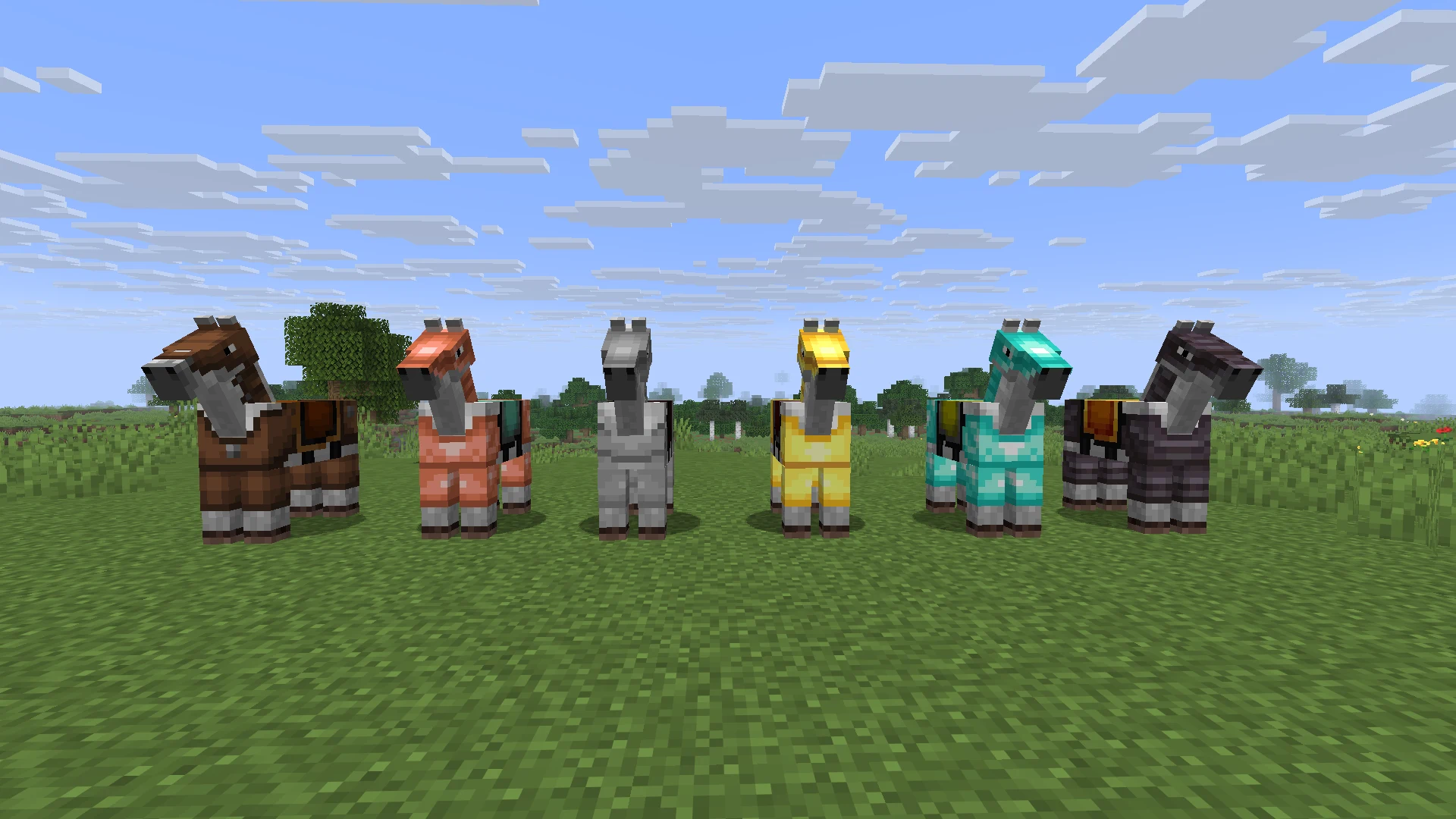
To put armor on, hold it and right-click the horse, or place it in the horse's armor slot. To take it off, remove it from the slot or use shears on the horse. If the horse also has a saddle, the first shear use removes the armor and the second removes the saddle.
How to Use a Lead on a Horse
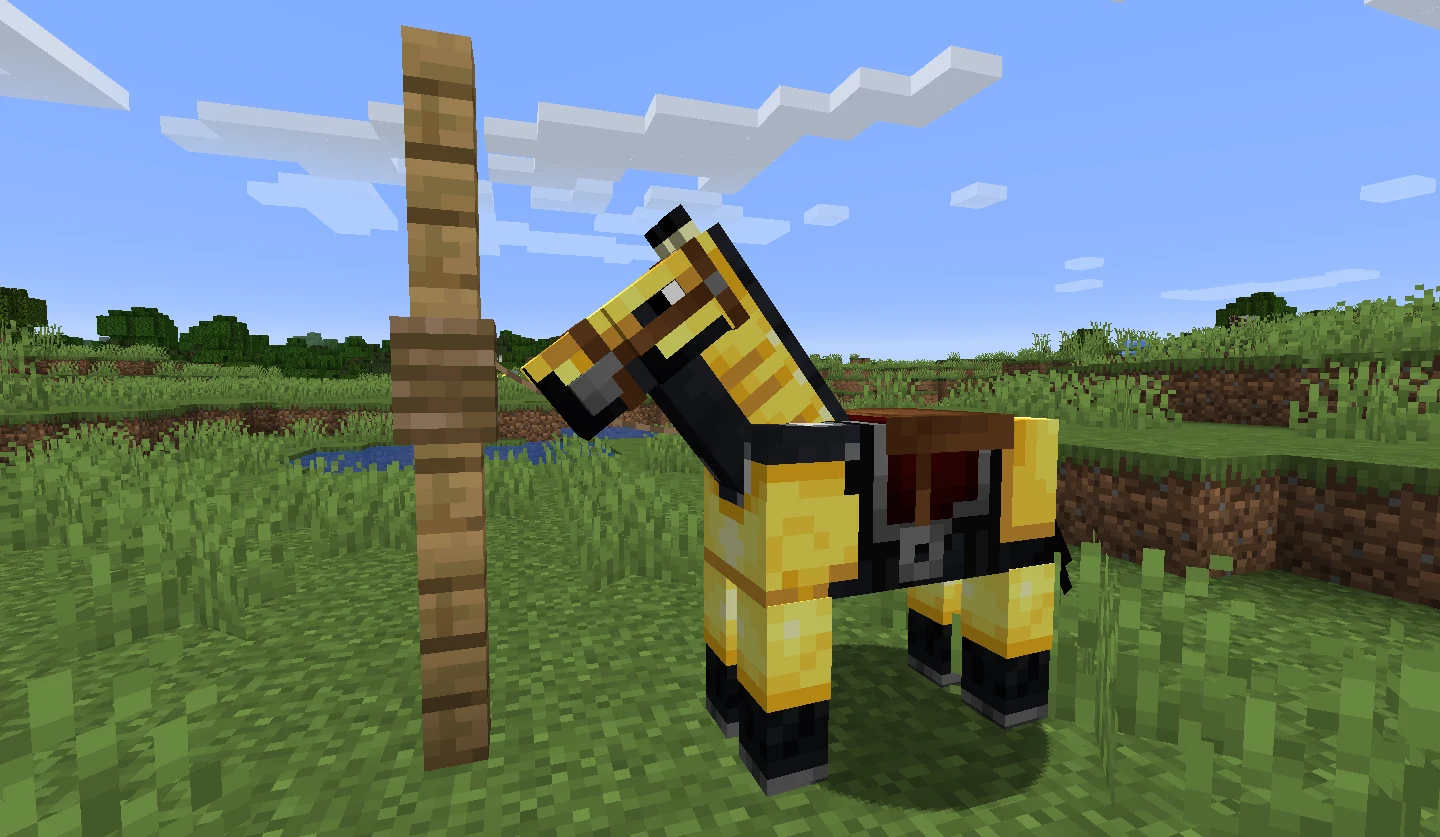
Leads let you pull a horse along or tie it in place. To craft one, place 5 string in the top-left, top-middle, middle-left, center and bottom-right squares of a crafting table. That recipe makes 2 leads, and every crafting recipe in the game lists the rest.
- Right-click a horse while holding a lead to attach it. Any horse works, even a wild one.
- Right-click a fence post while the lead is attached to tie the horse there. A tied horse tends to stay within 5 blocks of the post.
Each horse needs its own lead. A lead can also pull a horse that has a rider, and you can tow a horse behind a boat this way. If you need to let go, shears cut a lead.
How to Breed Horses for Better Speed, Jump and Health
Breeding takes two tamed adult horses. Feed each one a golden carrot or golden apple to put them in love mode, and they'll produce a foal. A single horse fed a golden item won't breed, and breeding gives you 1 to 7 experience points.
Each horse has three stats: health, top speed and jump height. The game sets them when the horse is spawned or born, and food doesn't change them afterward. The ranges are:
- Health: 15 to 30 HP, or 7.5 to 15 hearts
- Top speed: about 4.9 to 14.6 blocks per second
- Jump height: about 1.2 to 5.9 blocks
Jump height matters on rough ground. The strongest horses can clear obstacles up to about five blocks high, while a player can jump about one block.
A foal's stats start from the average of its parents' stats, and then a random nudge is added. That nudge can push a stat up to 15% above or below its parents. For most horses, a foal has about a 50% chance to beat its parents in any one stat. Near the top of a stat, the odds shift and the foal is more likely to come out lower, so gains get harder as your horses get stronger.
For a fast horse, trying out wild horses is often quicker than breeding. Once you have two fast ones, breed them and keep the best foals.
Donkeys and Mules: How They Differ From Horses
Donkeys spawn in meadows, plains and savannas. Like horses, they can be tamed, saddled and ridden. They can also carry a chest for 15 extra inventory slots, and their health ranges from 15 to 30 HP.
Breeding donkeys works differently by edition. In Java Edition, a donkey's speed and jump strength vary, within the horse limits when bred. In Bedrock Edition, every donkey has the same speed and jump, only health varies, and breeding can't improve them, so breed horses instead.
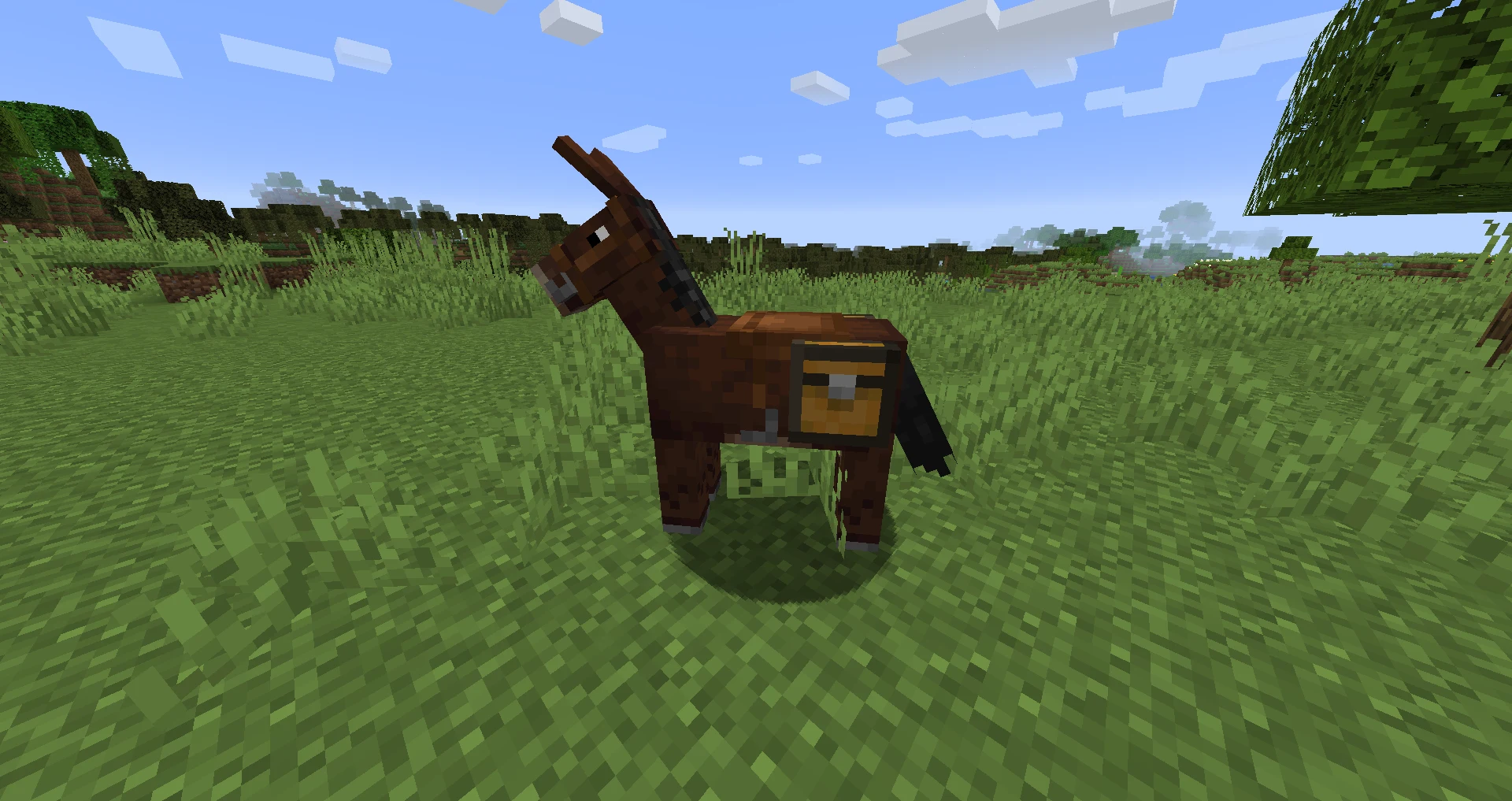
Mules are the offspring of a tamed adult horse and a tamed adult donkey. They're ridden and carry chests the same way donkeys do.
Java and Bedrock Differences When Riding Horses
The core steps are the same in both editions. These are the differences you'll run into:
- Feeding tamed horses: In Java Edition, a tamed horse at full health won't take food. In Bedrock Edition, it will.
- Feeding wild horses: In Bedrock Edition, a wild adult at full health can't be fed, unless its temper is at maximum. At maximum temper, it accepts any food except hay bales.
- Healing foals: In Bedrock Edition, feeding can't restore a foal's health.
- Mounting while holding food: In Java Edition, you can't mount a tamed horse at full health while you're holding food.
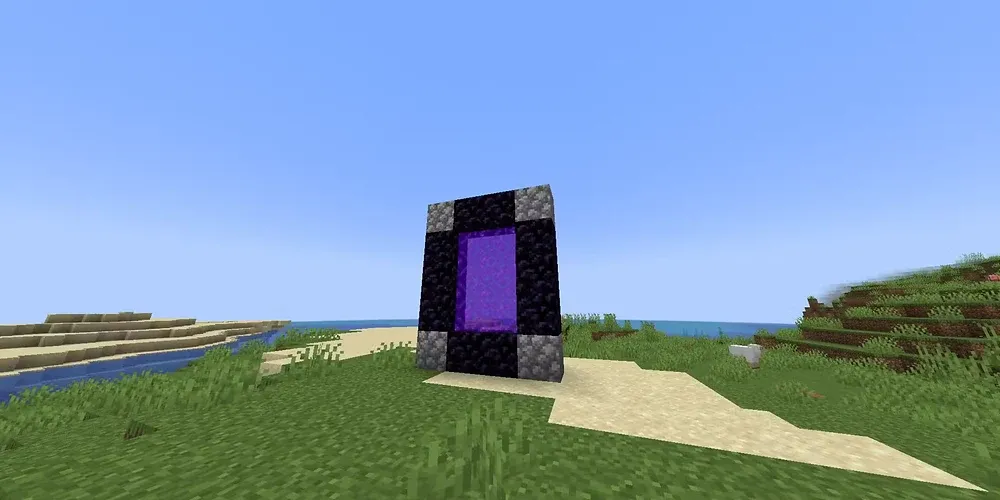
- Portals: In Java Edition, you can pass through a Nether or End portal while still on a horse, with no portal delay. In Bedrock Edition, you can't use a portal while mounted.
- Heads-up display: In Java Edition, your XP bar turns into the jump bar, and your hunger bar turns into the horse's health bar. In Bedrock Edition, your health and hunger bars stay, and the XP bar turns into the jump bar when you hold jump.
- Jockeys: This is Bedrock Edition only. About 15% of nearby baby zombies, husks and drowned can ride an adult wild horse as a jockey.