
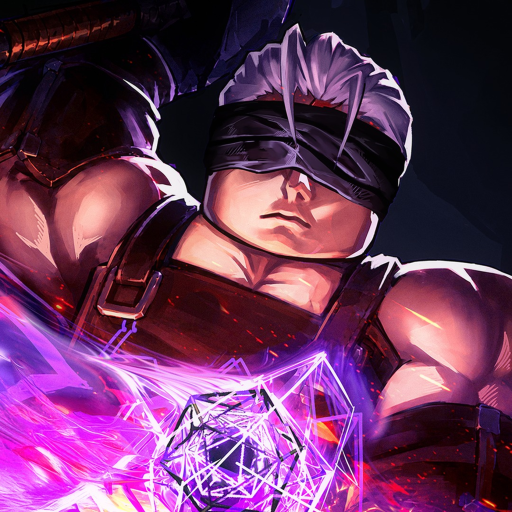
The Forge is a mining, forging, and fighting RPG, and that order is the loop. You head into the cave with a pickaxe to break rocks for ores, where luck decides how rare your haul is, then carry those ores back to the smelter to make gear.
Forging is the part that sets the game apart. It is not a one-click craft but a multi-stage minigame, and how well you play it decides whether your weapon or armor comes out Poor, Good, Great, or Perfect. With gear in hand you take on enemies for runes and essences, which enhance your equipment so you can mine deeper, forge better, and fight tougher things.
- Creator
- The Forge Community
- Game Created
- May 10, 2025
- Last Updated On
- September 5, 2026
- Age Requirement
- All Ages
- Genre
- RPG
- Subgenre
- Action RPG
- Supported Devices
- DesktopMobileTabletConsoleVR
Checked and verified on September 20, 2026
RAIDUPDSOONYou get 15x Rerolls
Game data
Races:
Races are The Forge's roll-based class system, shaping your starting stat profile before gear and upgrades do the rest. Each race changes damage, health, and movement speed, and the spread between common and high-tier rolls matters enough to change how comfortable early progression feels. Use the races catalog to compare tiers, rarities, roll chances, and stat bonuses before spending rerolls. It is the fastest way to see which races lean toward mining, which support safer combat, and which rare options are worth chasing for a long-term build.




Ores:
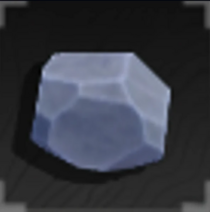
Ores sit at the center of The Forge's progression loop because they decide what you can forge and how strong the result can be. Region, rarity, drop chance, multiplier, sell price, trait, and rock source all matter, especially once you start saving premium materials for better weapons, armor, and pickaxes. Use the ores catalog to compare where each ore appears, what trait it can pass into crafted gear, and which materials are best sold versus saved. It is especially useful when you are planning a route through Stonewake's Cross, Forgotten Kingdom, Frostspire Expanse, and later areas.


Pickaxes:
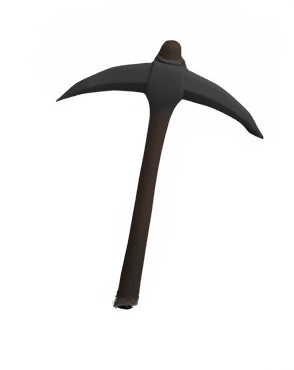
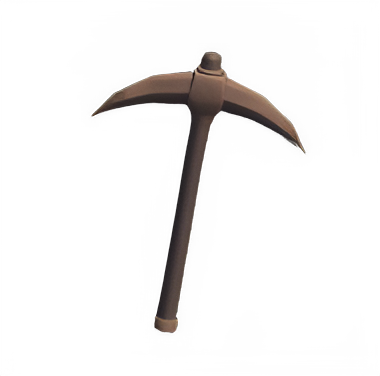
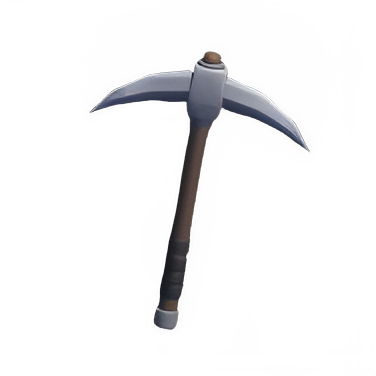
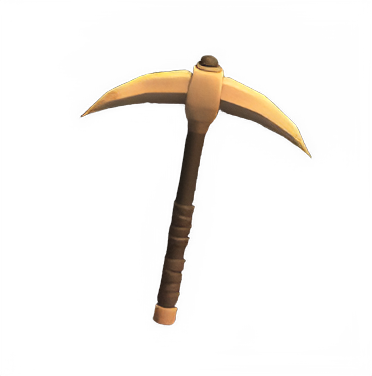
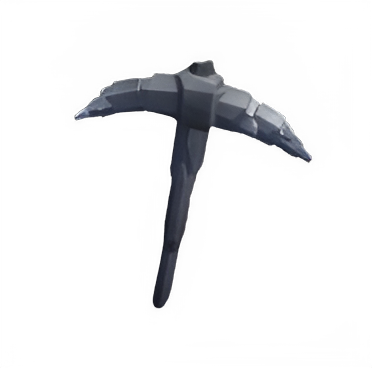
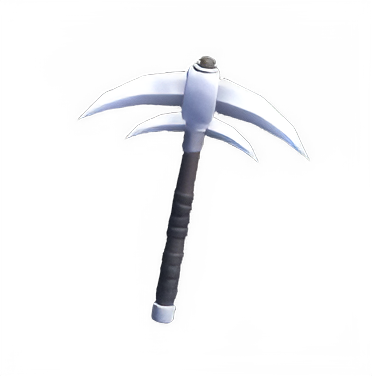
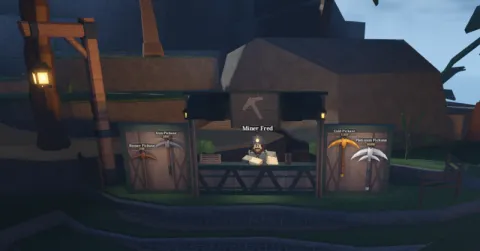
Pickaxes control more than mining speed in The Forge. Power gates which rocks you can break, luck affects how often rare ores appear, and extra slots help later builds scale better. Because every major progression jump depends on mining stronger materials, pickaxe upgrades shape the pace of the entire game. Use the pickaxes catalog to compare power, speed, luck, slots, costs, and where each pickaxe is found. It is a practical way to map out early, mid-game, and late-game upgrades before spending coins, keys, or rare ores on the wrong step.
Weapons:
Weapons are forged from the ores you mine, so they are where resource planning turns directly into combat power. Different weapon classes trade damage, attack speed, range, sell value, and forge chance, which means the best choice depends on both your build and the materials you can reliably farm. Use the weapons catalog to compare classes, core stats, and forge rates before you commit valuable ore to a recipe. It is most useful when you are deciding whether to push a cheaper weapon now or hold premium materials for a stronger upgrade later.


Armors:
Armor determines how long you can stay in difficult zones and how safely you can finish harder quests, secret areas, and boss encounters. In The Forge, each set is split across helmets, chestplates, and leggings, and class, base health, sell value, and forge chance all matter when you are planning a durable build. Use the armors catalog to compare armor classes, slots, health values, and forging odds before you spend rare materials. It is a clean way to judge whether a set is a short-term bridge, a farming upgrade, or something worth enhancing for longer progression.





Runes:
Runes add a second layer of build-making after basic forging. They bring elemental identity, special effects, and gear-specific bonuses that can change how a weapon, armor piece, or pickaxe performs once your base item is worth keeping. Because rune slots become more important deeper into the game, it helps to know what to farm before you start carving. Use the runes catalog to compare elements, rarities, effects, and primary drops in one place. It is the easiest way to plan which runes support mining, which improve combat, and which are worth holding for better gear instead of using immediately.





Quests:
Quests are a real progression system in The Forge, not just side tasks for extra rewards. Important questlines can unlock keys, rooms, NPC interactions, blueprints, and access to better gear, which means your next milestone is often tied to a specific objective instead of raw grinding alone. Use the quests catalog to track quests by world, NPC, status, and listed objectives. It is especially helpful when you need to know which quest unlocks your next area, which character advances a chain, or which reward is worth prioritizing first.
NPCs:
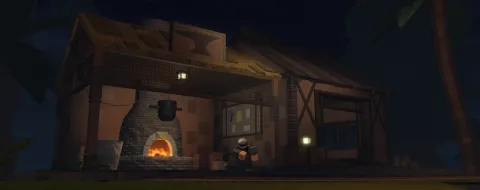
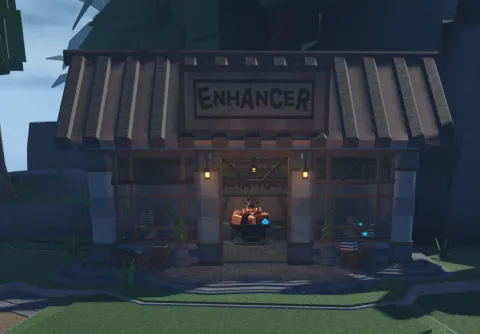
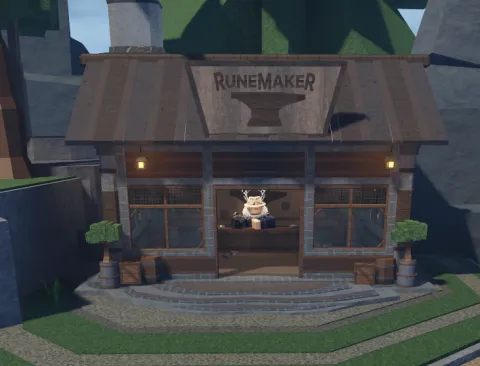
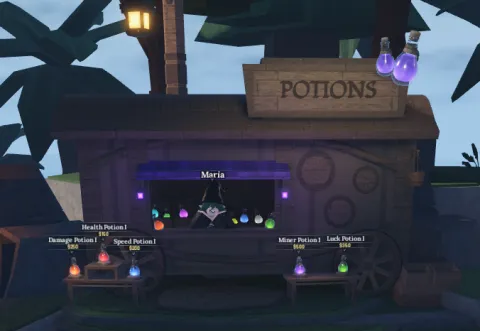
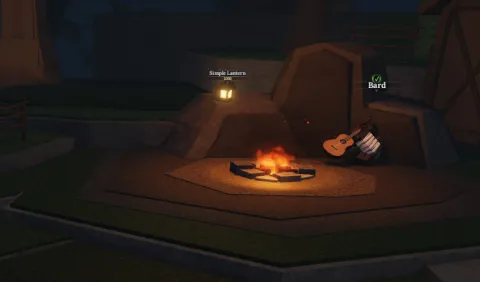
NPCs are the connective tissue between most of The Forge's systems. Shops, selling, race rerolls, potions, enhancement, rune work, and major questlines all run through specific characters, so knowing who handles what saves a lot of wandering once the world starts to open up. Use the NPC catalog to compare roles, areas, and locations at a glance. It is useful when you need to find the right merchant or quest giver quickly, especially during progression chains that bounce between crafters, vendors, and hidden story-related characters.
Locations:
Locations do more than provide scenery in The Forge. Each area shapes what ores you can mine, which enemies you face, which NPCs appear, and what secrets or quest steps become available. As the game moves from early worlds into harder regions and hidden spaces, location knowledge becomes part of progression planning. Use the locations catalog as a map-style reference for major areas, location types, and why each place matters. It helps when you are routing quests, looking for system NPCs, or figuring out where the next meaningful mining or combat step begins.
Enemies:
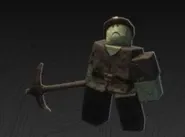
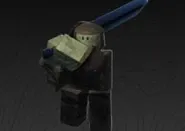
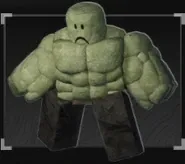
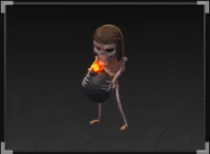
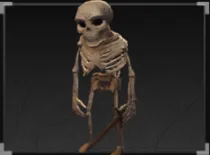
Enemies are one of the main pressure checks in The Forge because they test whether your current gear can keep up with the area you want to farm. Their levels, health, damage, gold payouts, and experience rewards all change how efficient a zone feels, and tougher enemies also matter because they feed later upgrade systems through essence drops. Use the enemies catalog to compare enemy stats, areas, and rewards before you push into a harder region. It is a practical reference for planning farming routes, checking whether a zone is worth grinding, and seeing where combat progression starts to spike.
Essences:
Essences link combat progression to gear progression. They drop from enemies, come in multiple tiers, and are used to strengthen equipment through enhancement, making them one of the main resources that separates temporary gear from items worth investing in for the long run. Use the essences catalog to compare tiers and descriptions so you can judge which stacks are routine upgrade fuel and which ones are better saved for stronger equipment. It is especially useful when you are deciding whether to enhance now, wait for a better weapon, or prepare gear for rune slots.






Skills:
Skills reward long-term play patterns in The Forge by tying permanent boosts to specific achievements and milestones. Mining, fighting, forging, and other repeated actions can all feed into these bonuses, which means your account becomes more efficient over time even when you are not chasing a single new item. Use the skills catalog to compare each boost, the requirement tied to it, and the summary of what it improves. It is a good reference when you want to know which achievements support your current build and which passive upgrades are worth targeting next.
Potions:
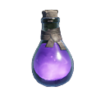
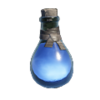
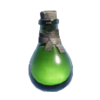
Potions are short-duration boosts that help you get more value out of specific sessions instead of day-to-day wandering. Depending on the type, they can support mining, damage, speed, luck, or survival, so timing matters almost as much as the item itself. Use the potions catalog to compare costs and effects before you buy or spend them. It is most useful when you are preparing for a difficult zone, a focused ore farm, or a short progression push where temporary efficiency matters more than raw inventory value.
Totems:
Totems are temporary boosters designed for planned grind windows, especially when you want better results from mining or combat over a short span. They are often most valuable when stacked with specific goals, such as rare ore hunting, leveling, or event-driven luck sessions. Use the totems catalog to compare costs and effects before using one. It gives you a quick way to decide which totems are best for farming, which are worth saving for stronger sessions, and when a temporary boost is actually worth the price.





Blueprints:
Blueprints are the planning layer behind many of The Forge's best craft targets. They show what special weapon and armor recipes exist, where they come from, and whether they are currently obtainable, which matters a lot for event gear, quest rewards, and limited progression paths. Use the blueprints catalog to compare item types, sources, availability, and how to get each blueprint. It is the cleanest way to see whether a weapon or armor goal is tied to a questline, a shop, an event, or content that is no longer available.



The Forge Events
Recent updates, live events, and completed event history for The Forge.
Crimson Sakura Expansion
CompletedStarts (PT): Feb 22, 2026, 10:00 AM.Ends (PT): Mar 8, 2026, 11:59 AM
The Forge Weekend!
CompletedStarts (PT): Feb 7, 2026, 10:00 AM.Ends (PT): Feb 9, 2026, 10:00 AM
The Forge Weekend!
CompletedStarts (PT): Jan 31, 2026, 10:00 AM.Ends (PT): Feb 2, 2026, 10:00 AM
The Forge Weekend! is a special event that activates a Weekend Buff to boost gameplay in The Forge. Players can expect enhanced mining, forging, and combat experiences during...
The Forge Weekend!
CompletedStarts (PT): Jan 24, 2026, 10:10 AM.Ends (PT): Jan 26, 2026, 10:10 AM
Hidden Maze
CompletedStarts (PT): Jan 11, 2026, 10:00 AM.Ends (PT): Jan 13, 2026, 10:00 AM
The Forge Hidden Maze event introduces a new maze area focused on exploration, puzzles, and progression. Players can expect maze-themed quests and exclusive ores available only...
The Forge Weekend!
CompletedStarts (PT): Jan 10, 2026, 10:00 AM.Ends (PT): Jan 12, 2026, 10:00 AM
The Forge Weekend! is a limited-time booster event in The Forge that offers temporary buffs and bonuses to speed up mining and improve luck for better loot and forging results.
New Cave!
CompletedStarts (PT): Jan 3, 2026, 10:00 AM.Ends (PT): Jan 5, 2026, 10:00 AM