


In Going Medieval, a PC colony simulation set in an alternate version of the 14th century, you lead a group of survivors. They're survivors of a deadly plague, something like the Black Death, who have to rebuild their lives in a new land. The game spent nearly five years in early access before its full 1.0 release on March 17, 2026.
Your main job is to set priorities and assign tasks, not to steer individual people. Settlers handle the building, farming, crafting, hunting and fighting on their own, and each one has their own skills, personality and mood. Keeping them content matters, since poor conditions can make them unhappy or lead them to leave. Everything is built from 3D blocks, so you can dig cellars into the ground and stack walls into multi-level fortifications.
Survival is the core challenge, since settlers need steady food and storage through changing seasons, and bandit raids, animal attacks and blight can all set you back. Over time, the aim is to grow a small village into a fortified stronghold, trading with other settlements and attacking enemy camps. Several global stats track your progress, and when one reaches 100%, you can accept a Grand Objective tied to it. Grand Objectives serve as the game's final goal, and accepting one locks out the others for that save.
- Developer
- Foxy Voxel
- Publisher
- Mythwright
- Release
- Early Access: 2021-06-01 · Full release: 2026-03-17
- Platforms
- Windows
Game data
Weapons
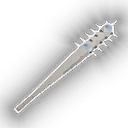
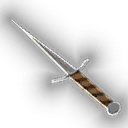
Weapons in Going Medieval fall into one-handed melee, two-handed melee, and ranged groups, and several ranged weapons, including throwing axes and javelins, can also be used up close. Each weapon needs a specific skill, which the Almanac lists, and settlers build that skill through training at the Practice Dummy and Archery Range or by hunting. Bows are the core of ranged fighting, while crossbows and throwing weapons handle longer shots and shielded or armored enemies.



Crops and Trees
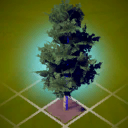
Crops, berry bushes and trees are the plants your settlers grow, harvest and chop for food, drink, cloth, wood and sticks. Crop fields need seeds, and trees need saplings, which you can get from traders or from plants you already have. Cabbage, barley and apple trees are among the most useful plants to build around. Cold weather and crop blight are the main risks, and blight strikes fields in summer and autumn.





Production Stations
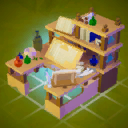
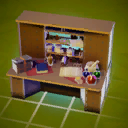
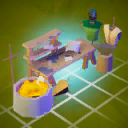
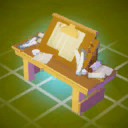
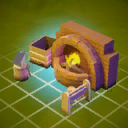
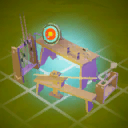
Production stations, also called workstations, are where settlers in Going Medieval turn raw materials into finished goods, from meals at a campfire to clay bricks from a kiln. Many of them must be researched before they can be built, and the basic research table is available from the start. Once a station is placed, settlers work through a queue of items you choose, and each job starts when its materials are ready.
Animals
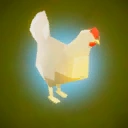
The animals in Going Medieval fall into three groups: wildlife that roams the map, livestock that settlers tame and keep in pens, and pets trained from tamed animals to roam freely and help around the settlement. Taming depends on a settler's Animal Handling skill, and merchants sometimes trade in animals that arrive already domesticated. Animals provide meat, leather, milk, eggs and wool, and donkeys and cats stand out for hauling and pest control.



Going Medieval gameplay tips
- Start in Peaceful while you learn. Peaceful is a scenario with no combat, and it has a 0% chance of ambush and runaway events. That gives you room to learn building, farming and settler needs before fights begin. Lone Wolf and Pioneer have a larger chance of raids, so save them for later.
- Open the tutorial from the main menu. The 1.0 update added a step-by-step tutorial. Working through it teaches each system in turn, which is easier than figuring everything out at once.
- Preview the map before you commit. The 1.0 update added map seed previews, so you can look at the land before a game starts. Checking the ground first helps you avoid starting somewhere you don't want to build.
- Set rally points before raiders arrive. Rally points draft settlers to a location you pick, and a Large Bell can activate several at once. Setting them up early means you can call your settlers to one place as soon as trouble comes.
- Keep seed grain out of production. Use the stockpile setting that keeps resources out of production, and apply it to barley you plan to replant. That way you still have seed when it's time to sow.
- Tune event chances in Options. If events like runaways or cellar flooding come too often, you can lower their chances. These settings can be changed even in a save you've already started, so you can adjust the pace without starting over.