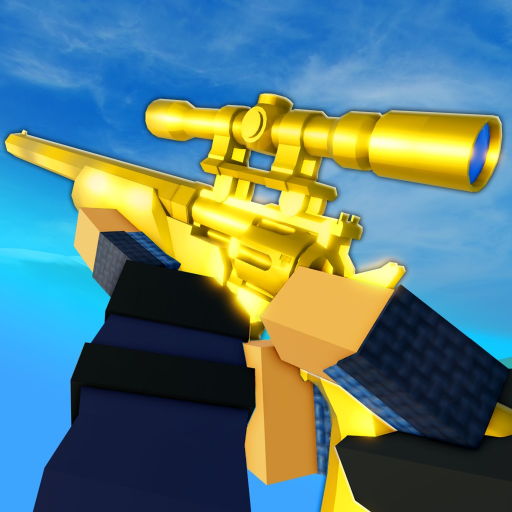


Roblox has room for more than one kind of shooter. The best picks here cover first-to-five duels, plant-and-defuse rounds, weapon tuning, movement-heavy arenas, aim practice, sniper precision, large-team battles, and longer tactical missions. Start near the top if you want tight competitive rounds. Move down the list when you want a specialist or a more relaxed way to practice shooting.
1. RIVALS
RIVALS is the cleanest starting point for direct competitive aim. You choose a duel or team format, fight through first-to-five rounds, and make the next engagement count. The scale runs from 1v1 to 5v5, so the game can stay personal or turn into a team fight without losing its short-round rhythm.
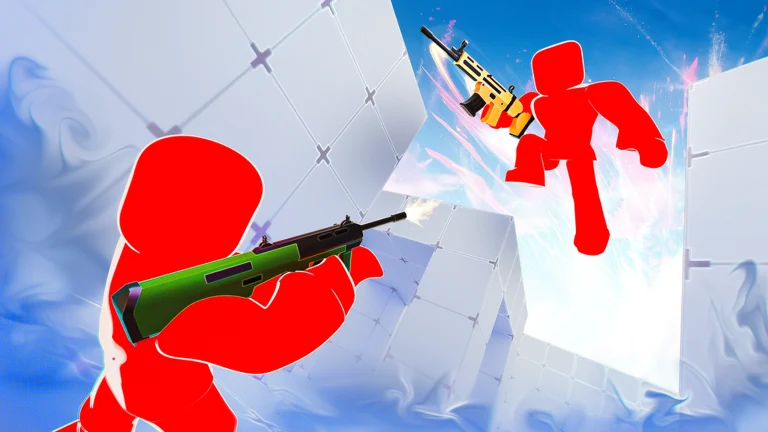
Win streaks, contracts, and leaderboards give repeat matches a reason to matter. Fast fights punish slow decisions, which is exactly why RIVALS is useful for crosshair placement, movement, weapon choice, and closing a round under pressure. It is unforgiving when your first shot misses, so expect a sharper learning curve than the bright arcade shooters below.
RIVALS
2. BloxStrike
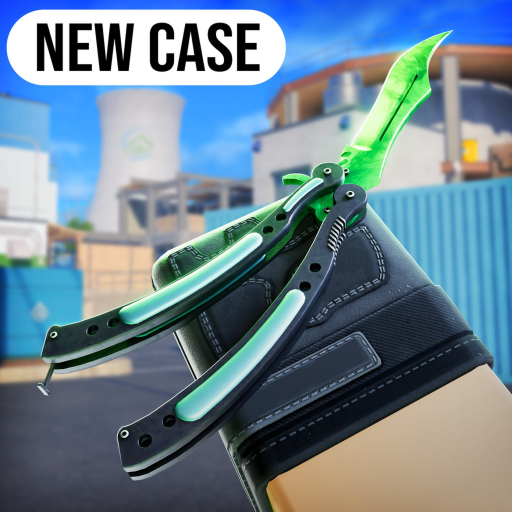
BloxStrike is built around 5v5, round-based plant-and-defuse combat. Each round asks more than whether you can win a gunfight. You need to read the site, manage space, and decide how much cash to spend on weapons, utility, and gear before the next attempt.
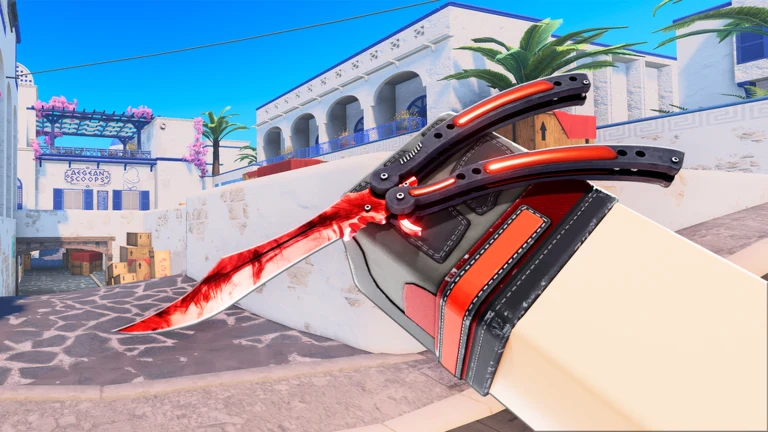
That economy gives missed shots a longer shadow than they have in RIVALS. Good peeks, useful utility, and a well-timed plant can change the next round. Systems in newer competitive shooters can change, so treat BloxStrike as a game to learn through its current rules rather than relying on old guides or fixed economy values.
BloxStrike
3. Phantom Forces
Phantom Forces is the pick for players who want their weapon choice to shape the match. You spawn into team modes, work around objectives and sightlines, and refine a loadout instead of treating every rifle as interchangeable. Attachments and the large range of weapon combinations give recoil control and weapon knowledge plenty of room to grow.
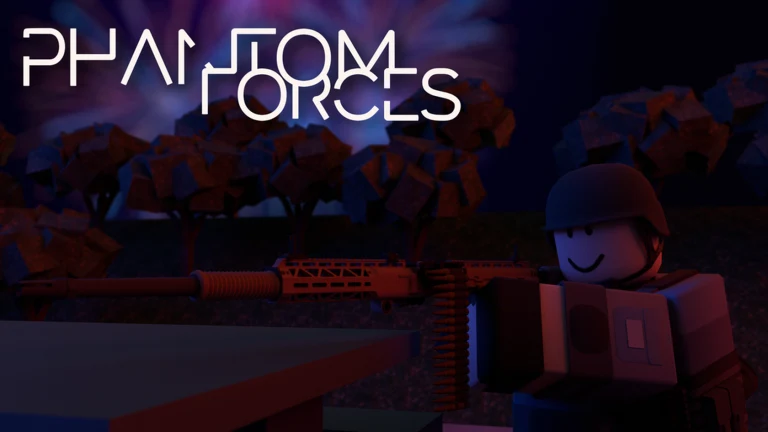
The tradeoff is onboarding. There is more to learn than in RIVALS or Arsenal, and the number of choices can make a first session feel busy. Stick with it if you want to learn map movement, sightline timing, and how a loadout changes the way you take a fight.
Phantom Forces
4. Operation One
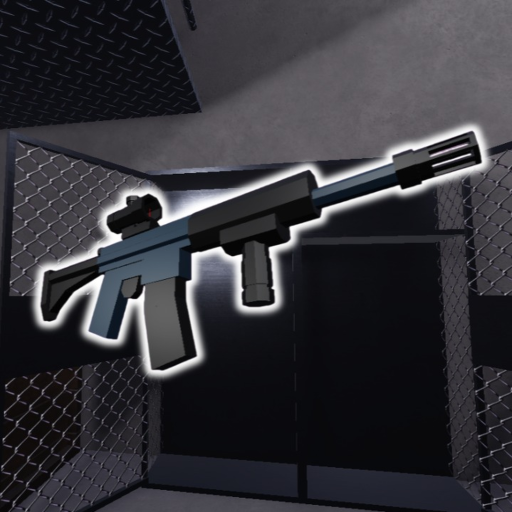
Operation One shrinks the problem down to a building and a 4v4 fight for control of it. Intel tools, explosives, wall and ceiling openings, and sound information all affect how you enter a room. The right play may be holding an angle or listening for movement rather than sprinting toward the next target.
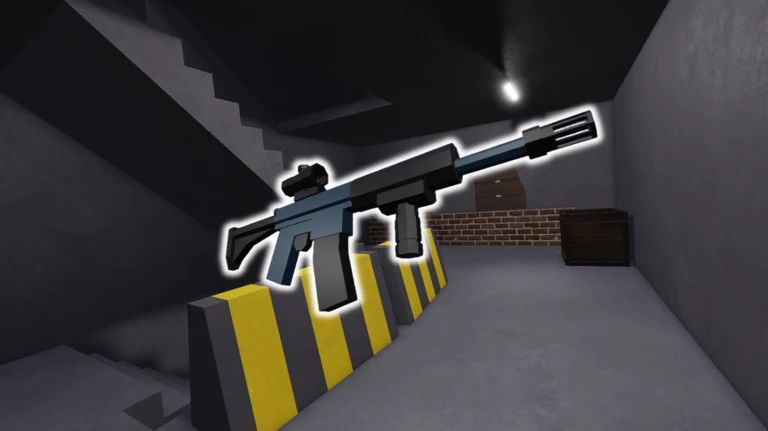
That makes it a good choice for deliberate positioning and coordinated breaches. It is still described as early development, so do not expect every system to stay fixed. The official experience also carries flashing-light and sound warnings, which are worth checking before you play.
Operation One
5. Hypershot
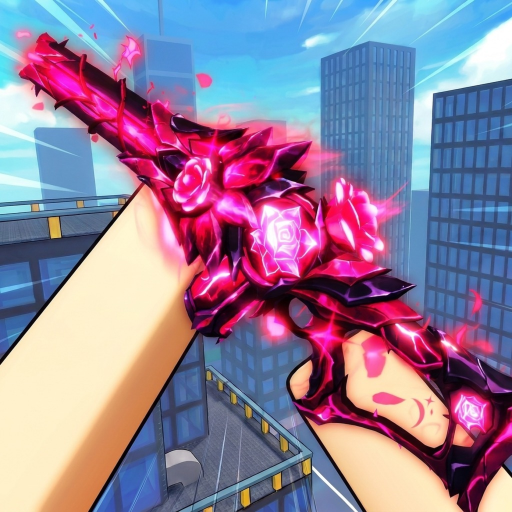
Hypershot is a strong fit when you want shooter variety without leaving a competitive arena. Its documented formats include Team Deathmatch, Capture the Flag, Free-for-All, Gun Game, 1v1, and 2v2. Movement matters, but abilities add another decision layer to fights.
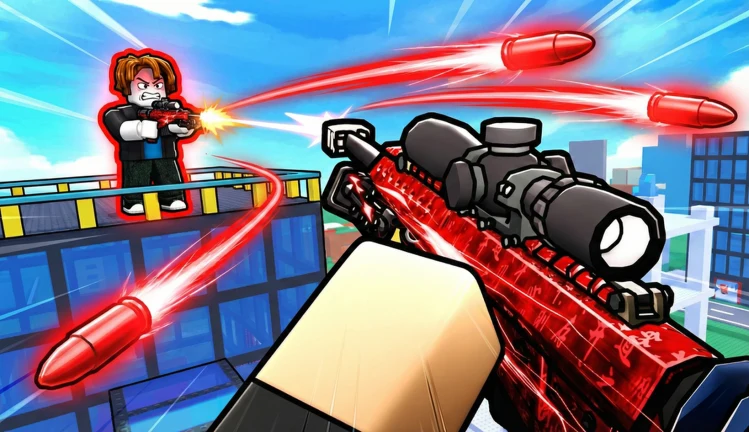
Use it to practice target switching, movement, and timing an ability while the fight is still changing. The extra systems also mean it is less of a pure aim test than RIVALS. Ranks, leaderboards, and unlocks give the modes a longer tail, but progression and competitive rules can change, so check the current version when you return.
Hypershot
6. Arsenal
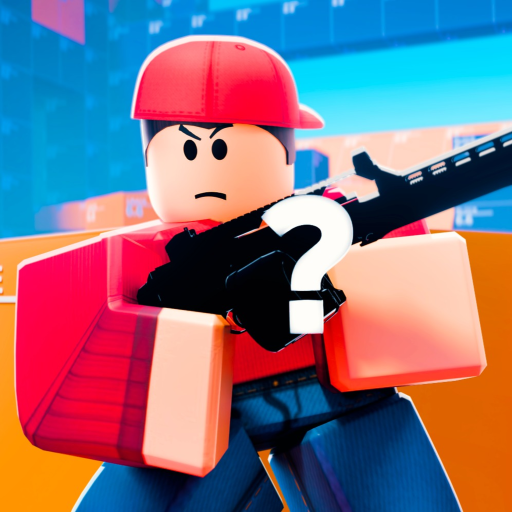
Arsenal turns every match into a target-switching drill. Eliminations move you through changing weapons, so you cannot settle into one comfortable setup for the whole game. You have to adjust your aim, distance, and timing whenever the next weapon arrives.
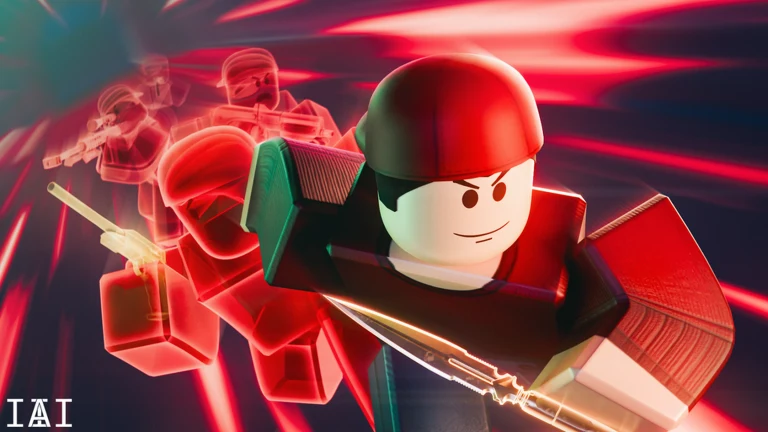
That forced adaptation makes Arsenal excellent for quick warmups and reaction practice. It is less useful than Phantom Forces for careful recoil work because the point is to keep moving through the match, not build one dependable loadout. Weapon order, match details, and novelty rules can change, so the lasting recommendation is the adaptation loop itself.
Arsenal
7. Counter Blox
Counter Blox gives the classic buy-phase shape to a Roblox shooter. In its 5v5 firefights, eliminations and objectives help fund the next round, then weapons, gear, and grenades turn the buy phase into part of the match rather than a menu between fights.
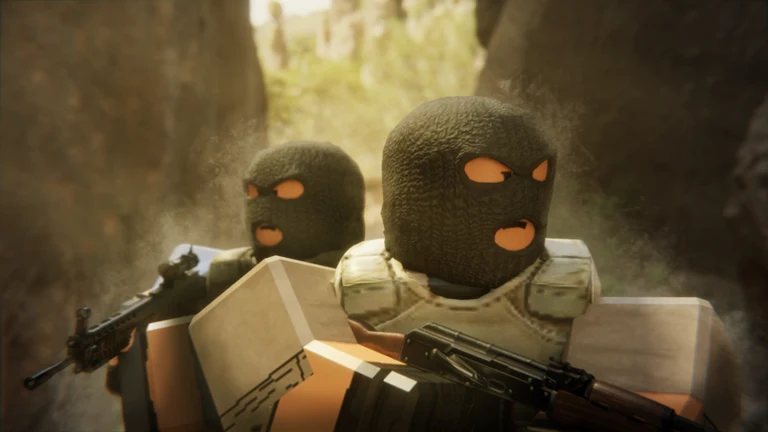
It rewards crosshair placement, careful peeks, site pressure, and knowing when a retake is worth attempting. Counter Blox overlaps with BloxStrike, but it is a separate older buy-phase option with its own queue risk. Check the current matchmaking situation before building a regular group around it.

Counter Blox
8. Bad Business
Bad Business owns the movement and customization lane. You sprint through team fights, aim down sights, and tune weapon or character loadouts around the way you want to take an engagement. That makes it a useful middle ground between a simple arcade shooter and a weapon-heavy sandbox.
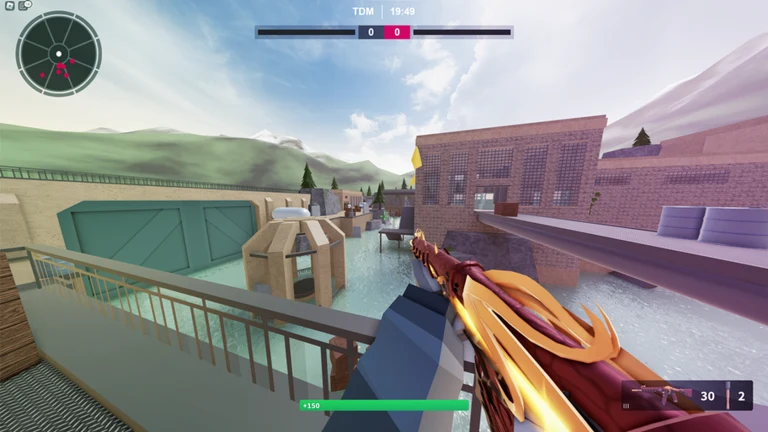
Choose it when you want movement decisions and loadout tuning to matter at the same time. Phantom Forces offers more weapon breadth, while Bad Business is easier to approach when you want a flexible team fight quickly. Matchmaking and maintenance are the honest caveat here, so do not assume every queue will be full.