The fastest way to make money in Car Mechanic Simulator 2021 is to buy a cheap wrecked car, weld its frame, clean up the interior, and sell it for more than you spent. You run a repair garage, so credits (CR) come from customer orders and car sales. Early on, story orders and bonus jobs build the savings you need before the Junkyard opens and quick flips begin.
| Money source | Unlocks | Best use |
|---|---|---|
| Story orders | Early game | Credits, XP, and a crate |
| Regular orders with a +25% CR bonus | Early game | Extra credits on everyday jobs |
| Junkyard | Level 5 | Cheap wrecks and used parts for quick flips |
| Barn | Level 10, with a map | Used parts, whole cars, and longer rebuilds |
| Car Auctions | Level 15 | Better cars at Kowalski, cheaper broken cars at Blacksmith Salvage |
Think of the table as a path. Early jobs pay for your first Junkyard purchase, and each unlock after that opens a new way to find cars.
Build Early Credits From Story Orders and Bonus Jobs
Story orders are predetermined jobs, separate from the endless random orders. Each one pays credits, XP, and a crate when you finish it, so they're worth planning your early game around.
The first Luxor Baronne story job shows what an early story job can pay: about 935 CR in parts, a 2,106 CR payment, and roughly 1,171 CR in profit. Your own numbers will shift with store discounts and any parts you already own, so treat that as a rough target rather than a set payout.
Put these habits to work to keep your balance growing:
- Keep enough credits for the parts. Before you take a story order, make sure you can cover the parts it needs. Being short on parts mid-job can stop the work before it pays.
- Turn off travel fees. Open Settings and switch off "Enable travel fees." Each trip to the Junkyard, Auction House, or Barn costs about 500 CR, and those trips add up while you're saving. If you'd rather keep the setting on, plan fewer trips.
- Take the +25% CR bonus. Some regular orders show a bonus before you accept them. When money is the goal, pick the CR bonus. XP helps you level up, but it doesn't add credits.
- Stick to the requested work. Extra repairs use up parts and time that the order doesn't pay for, so finish what the customer asked for and move on.
Buy Cheap Junkyard Wrecks After Reaching Level 5
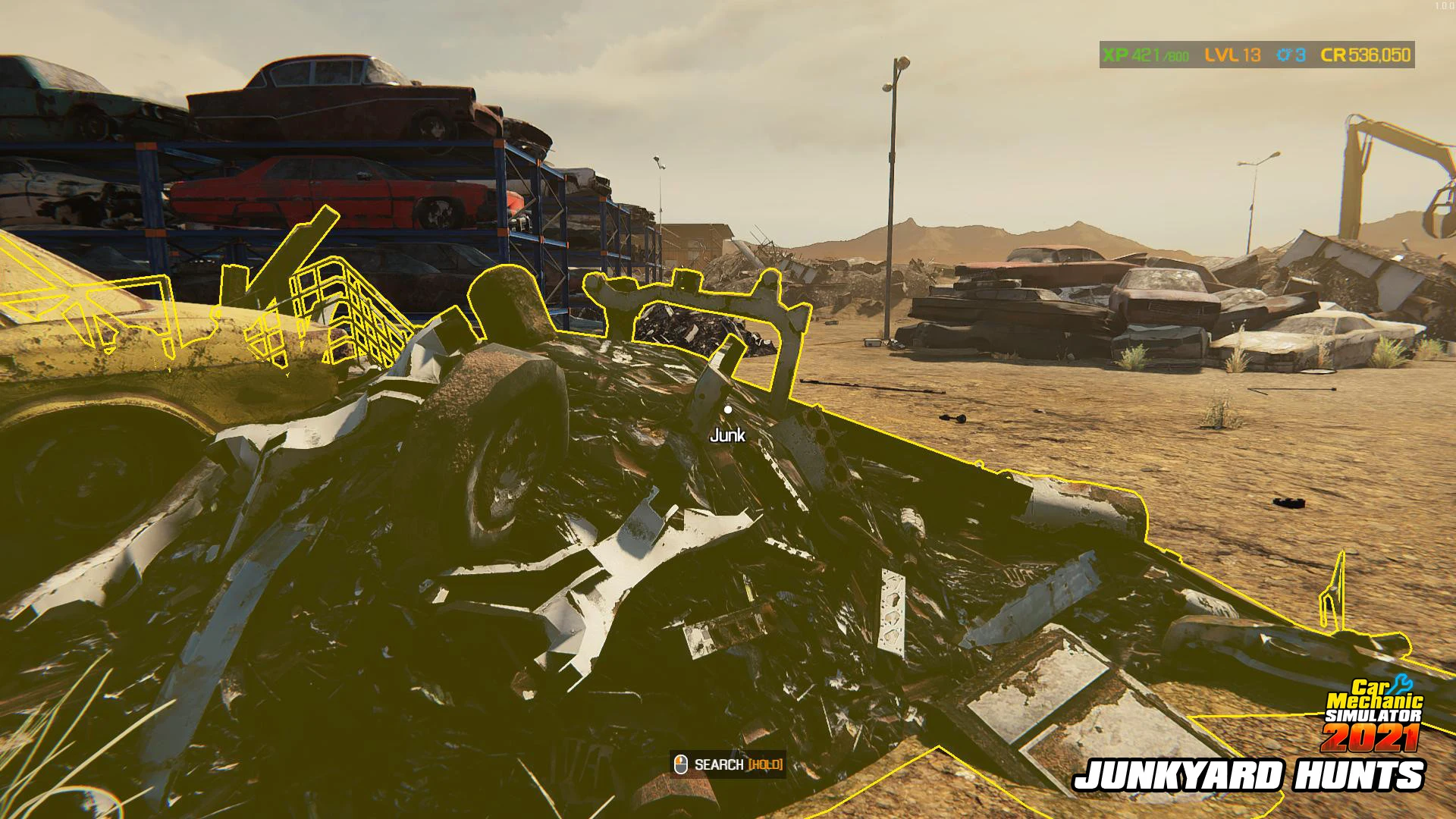
The Junkyard opens at Level 5 and sells used individual parts as well as whole cars. Even badly damaged parts cost credits, so a wreck with too many problems can use up your budget before you've done any work. Wrecks for flipping generally cost between 2,000 and 10,000 CR, and it helps to have around 20,000 CR saved before you start so you can cover the purchase, welding, and repairs.
Keep these rules in mind when you shop:
- Compare several wrecks. Look at the price and condition of more than one car before you buy. A cheaper car with fewer problems leaves more room for profit.
- Skip expensive cars when funds are low. A car you can't afford to finish leaves your credits stuck in the garage.
- Buy single parts only when they're cheaper than the replacement. Individual parts can save money, but only when the price beats the alternative.
How to Flip a Junkyard Car With a Welder and Interior Detailing
A quick flip is the core money move in Car Mechanic Simulator 2021. You buy a wreck, fix only what makes it sell better, and sell it before the work drags on. You'll need the welder and car wash upgrades first, so unlock both as early as you can.
- Choose a low-cost wreck. Pick one from the Junkyard that fits your budget. The lower the starting price, the more room you have for repairs.
- Wash the car, then weld the frame. The welding step works on a clean car, so wash it first. Washing the outside won't raise the sale price, so don't count on that. The welder charges a flat 500 CR each time you use it.
- Repair or replace only the body parts and windows that matter. Repairs cost much less than new parts, and the new parts for a flip shouldn't need to exceed about 2,000 CR in total. Focus on the damage that would put a buyer off.
- Clean the interior with the detailing kit. Interior detailing is the cleaning step that helps the sale price, so don't skip it.
- Leave the engine and other parts alone. Quick flips are about speed, and new engines take time and credits. If you already have matching parts saved from customer jobs, fit them in, since they can raise the car's condition.
- Check the car's value, then sell. Open Car Status to see what the car is worth. Compare that number with the purchase price, the welding charge, and any repairs, and sell only when the gap leaves a clear profit.
A well-chosen wreck can bring in roughly 5,000 to 15,000 CR in profit. Treat that as a range rather than a guaranteed return, since each model and condition sells for a different amount. One example wreck sold for 4,233 CR in under two minutes after only welding and washing, but that number is the sale price, not the profit, because it doesn't include what the car cost.
Unlock Renovator and Regular Customer to Cut Repair Costs
Skill points decide how well you can handle repairs, so spend them with money in mind. You earn them by finishing jobs and gaining levels, and you spend them at the toolbox. Unlocking a skill costs one point, and each upgrade costs more, up to six points for the sixth level.
Renovator is the skill that does the most for repair costs. It lets you repair parts instead of replacing them, and it raises the chance of an instant repair from 2% to 15%. Renovator 6 unlocks body-part repairs, so work toward that level before you flip a car that needs bodywork.
Repair has limits. Parts generally need at least 15% condition to be repairable, and some components can't be repaired at all. Check each part's condition first, and plan to replace anything that falls outside those limits.
Regular Customer helps your budget in a few ways. It gives 5% to 15% off in the store, which lowers what every part costs. It also lowers parking fees and gives a 25% chance of a lootbox drop after you complete an order.
Fast Hands and Strong Arms don't add credits directly. Fast Hands speeds up screwing and unscrewing by 10% to 75%, and Strong Arms speeds up assembly and disassembly by 10% to 55%. Those savings add up when you're working through many jobs in a row.
Check Value and Repair Costs Before Buying Barn or Auction Cars
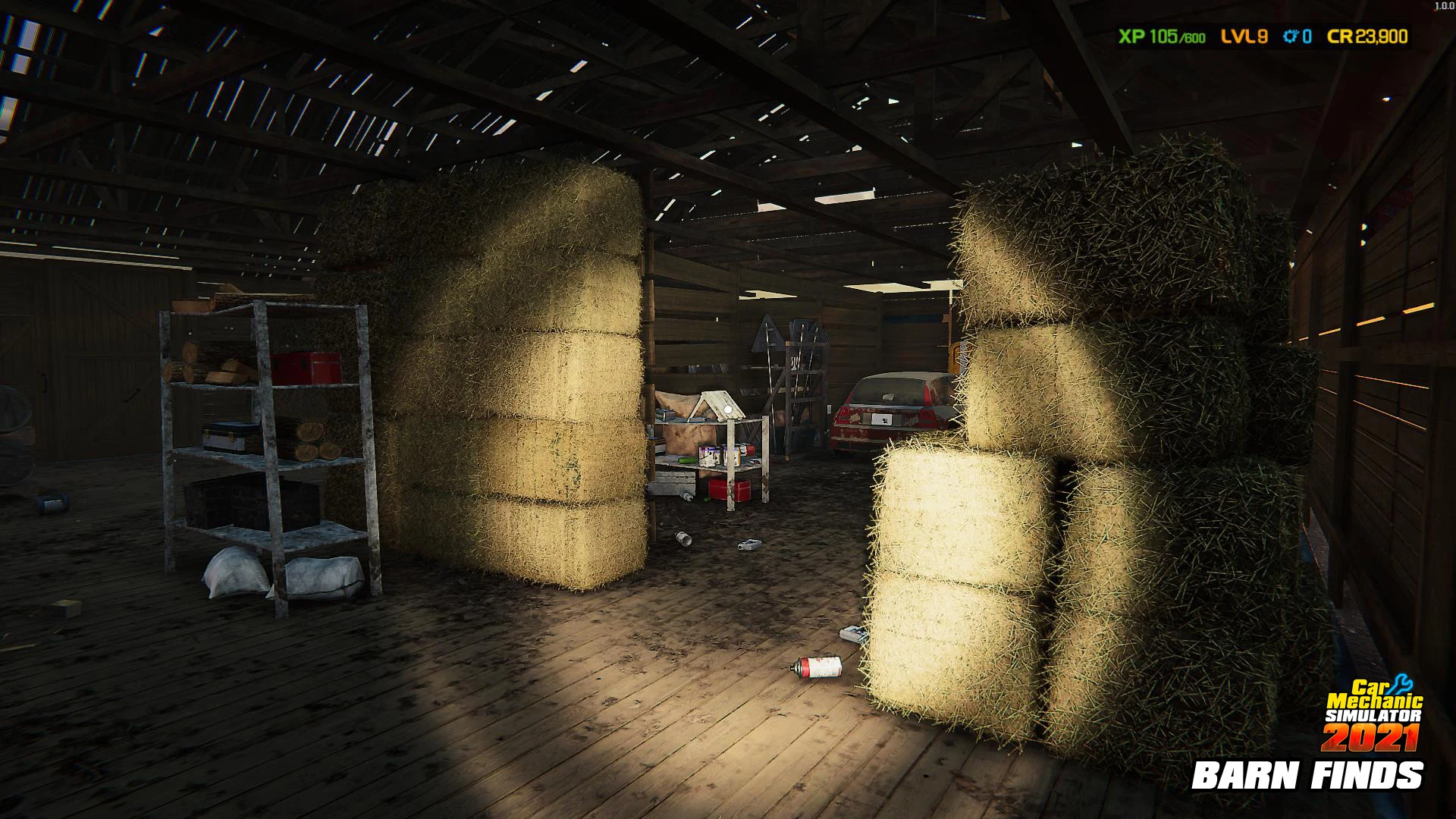
The Barn unlocks at Level 10 and requires a map. Maps can drop at random in lootboxes from completed story orders. A Barn car usually means a full rebuild, which takes a long time.
Barn prices depend on the model and condition, so there's no fixed price to count on. Some cars cost more than they can return as a flip, so compare the asking price with the likely repair bill before you commit.
Car Auctions unlock at Level 15 and are split across two listings. Kowalski Car Auctions lists working cars in better condition, and those cost more. Blacksmith Salvage Cars lists broken, cheaper cars. Each auction panel shows the starting price, the bid increment, and an estimated value.
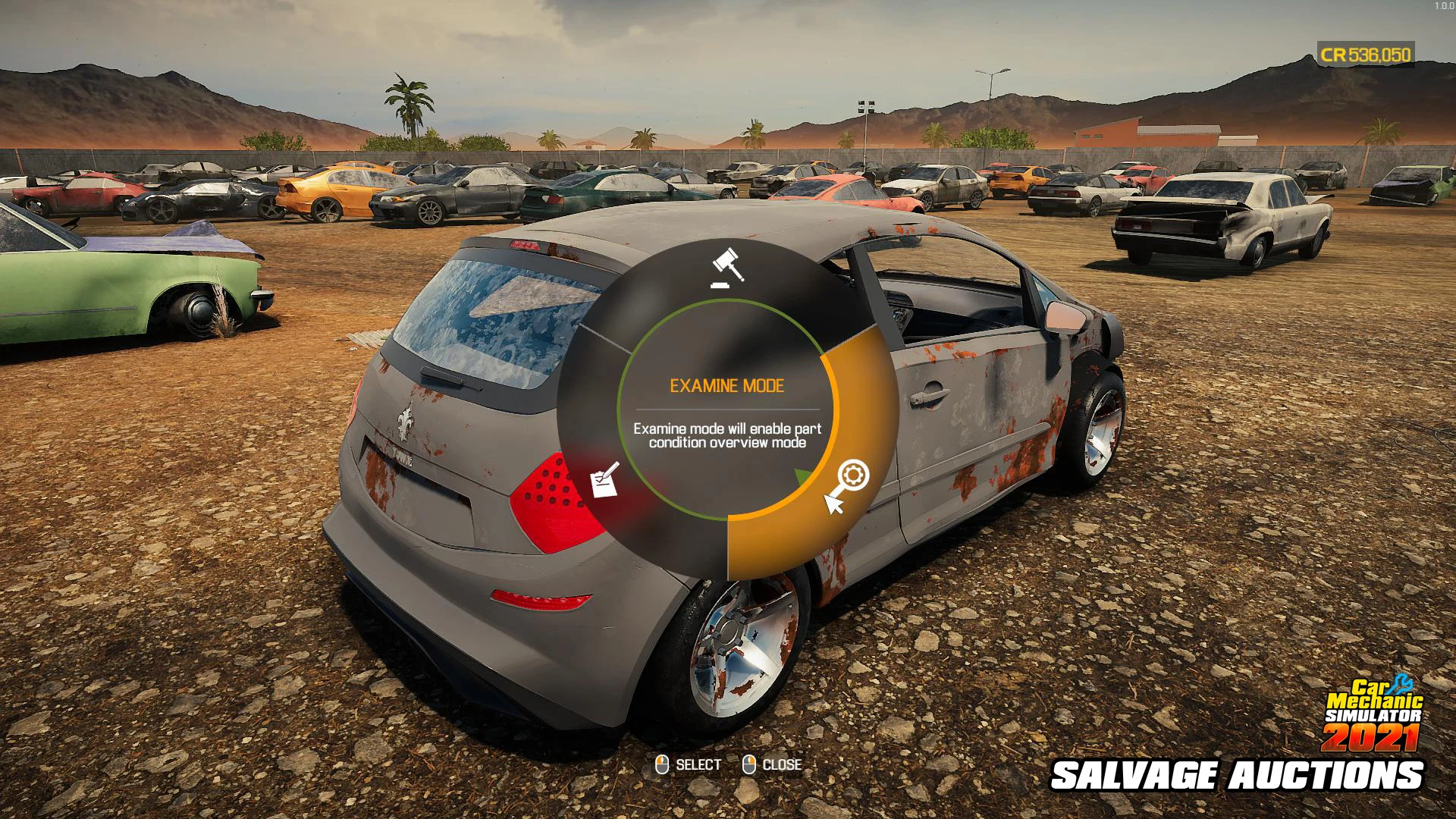
Before you bid, work through these steps:
- Estimate the value first. Once Regular Customer is unlocked, you can estimate a car's value. That's especially useful before you buy a flip.
- Add up the full cost. Include the price or winning bid, the likely repairs, and the welding charge if you plan to weld the car.
- Choose cheaper salvage when the budget allows. Blacksmith cars make sense when your repair budget can cover the fixes.
- Stop bidding when the total leaves little room. Every bid increment adds to the total, so watch it closely. Once the price plus repairs leaves too little room for profit, let the car go.