

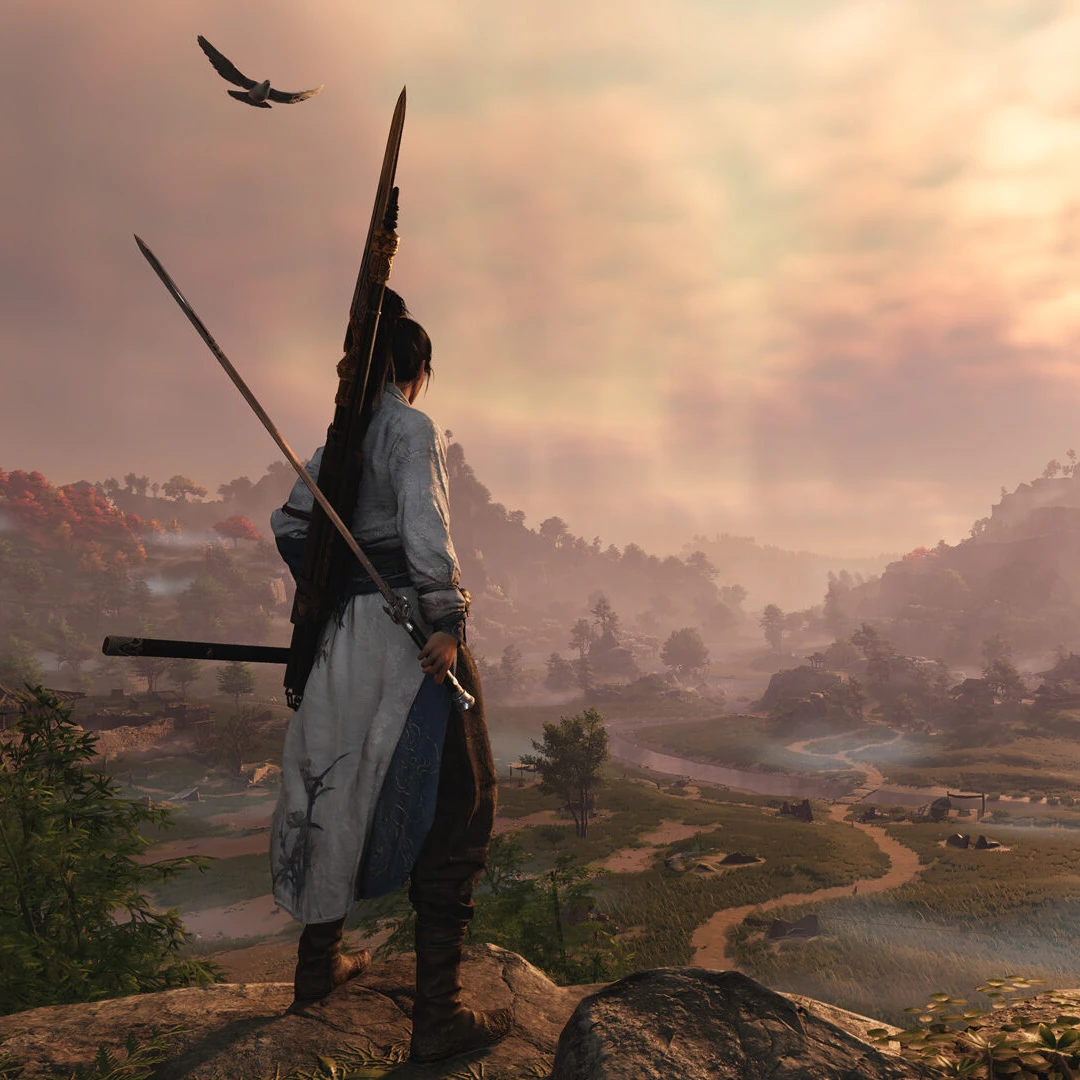
Where Winds Meet is an open-world Wuxia action RPG, a martial arts adventure set in 10th-century China during the turbulent Five Dynasties and Ten Kingdoms period. You play a young wanderer in a world of shifting alliances, and the mystery of your own identity runs through the story. You can also shape your path by taking on a role such as doctor, merchant, assassin or bounty hunter.
The core loop starts with the main story, which leads you through regions such as Qinghe and Kaifeng. Along the way you explore the open world, make short detours for nearby discoveries and activities, and use Boundary Stones to travel back to places you have already found. The rewards you pick up while exploring feed your progression, and that progression is what makes your combat setup stronger. In a fight, you use two equipped Martial Arts, each tied to a weapon such as a sword, spear, fan or umbrella, and switch between them while Inner Ways and Mystic Arts shape how they play.
What you work toward is a combat setup you can rely on and a clear next step in the story. You raise your level, reach breakthroughs and upgrade your gear, which makes the setup you chose more effective over time. You can take on quests and bosses alone or team up with up to four friends, and guild activities and PvP battles against other players are there if you want shared play beyond the story.
- Developer
- Everstone Studio
- Publisher
- NetEase Games
- Release
- Xbox Series X|S: 2026-06-08 · iOS and Android: 2025-12-12 · PC and PlayStation 5: 2025-11-14
- Platforms
- PC, PlayStation 5, iOS, Android, Xbox Series X|S
Game data
Weapons
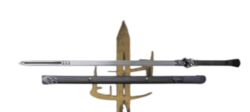
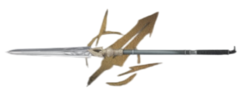
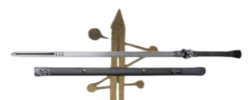
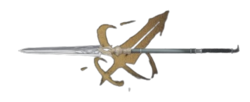
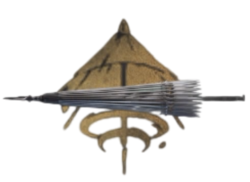
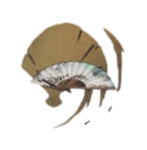
Weapons are the fighting styles that decide how your character attacks in Where Winds Meet, and each one is tied to a weapon type such as a sword, spear, fan or rope dart. You learn the martial art first, usually through a Skill Theft mission, a sect, a quest or a reward, and then equip a matching weapon item to use it. Styles are grouped into paths that pair well together, and the choice shapes your whole build.
Inner Ways
Inner Ways are passive skills that equip into four slots and trigger automatically in combat, changing how your Martial Arts, Mystic Arts and healing work. Universal ones work with any weapon, while others are tied to a specific Path and weapon. Most are unlocked through merchant tomes, Jianghu legacy clues or Martial Arts sanctums, and they're upgraded through Breakthrough with Inner Way Tips. Some modes, such as Perception Forest, have Inner Ways of their own.



Mystic Arts
Mystic Arts are special abilities in Where Winds Meet that work separately from weapon Martial Arts. They cover combat and control, defense, stealth, puzzles, detection and travel. Players learn them through exploration, Skill Theft, quests, challenge rematches and progression rewards, then equip them in slots for use in the world and in fights.





World Bosses
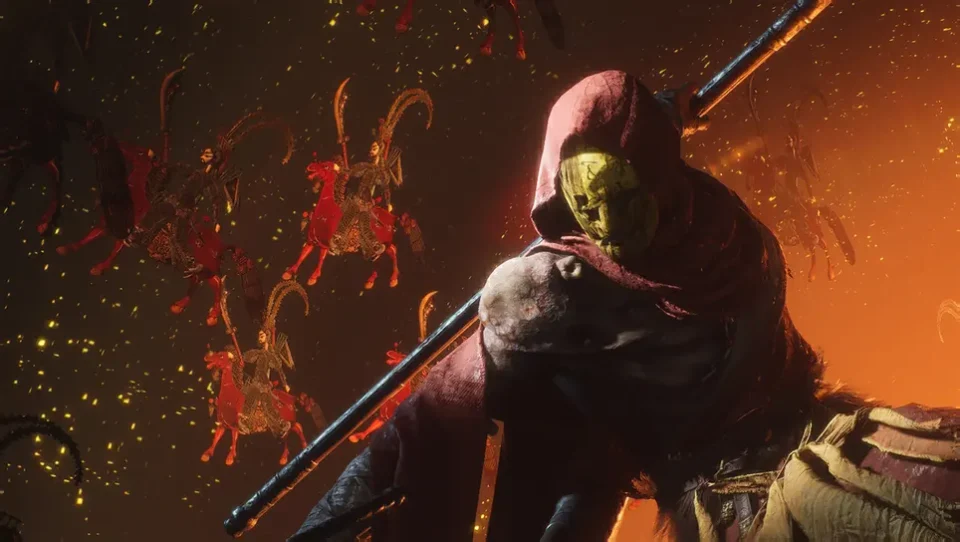
World Bosses are large fights that wait at fixed spots across the open world, and the World Boss page in the Journal shows where each one is. Most open once their region is unlocked, though some need a quest step, a skill or a set time first. Each one can be beaten once in your own world for first-clear rewards, and Trials let you fight a cleared boss again.
Where Winds Meet gameplay tips
Follow the main story through Qinghe first. Let the tracked objective lead, and only detour for a Boundary Stone, a chest or an Oddity when it sits on your route. Clearing every map icon right away feels productive, but it often leaves you dealing with mechanics the story hasn't explained yet.
Activate Boundary Stones as you pass them. Open the map, choose a Boundary Stone and select Teleport to return to any place you have found. Activating one near your route means a later trip back won't require another long ride, even if you skipped the area around it.
Gather Oddities toward one reward at a time. Collect the easy ones you find on your route, and skip any puzzle that needs an unlock you don't have yet. In Qinghe, Qi Sheng handles the regional exchange, so pick the Melodies of Peace reward you want most and collect toward it. A clear target makes the exchange easier to plan, and you can come back later for the rest.
Start with one path pair and upgrade only that. Martial Arts are grouped into named paths of two each, and they work as pairings rather than fixed classes. Choose a pair you can control, practice switching between its two weapons on an ordinary enemy, and improve that pair before spreading materials across others. Martial Arts set your moves, so a pair you have practiced will serve you better than a pile of unfamiliar skills. The paths and their weapon pairs are:
- Bellstrike - Splendor: Nameless Sword and Nameless Spear
- Bellstrike - Umbra: Strategic Sword and Heavenquaker Spear
- Silkbind - Jade: Vernal Umbrella and Inkwell Fan
- Silkbind - Deluge: Panacea Fan and Soulshade Umbrella
- Silkbind - Wings: Museflow Waist Drum and Willowbend Fan
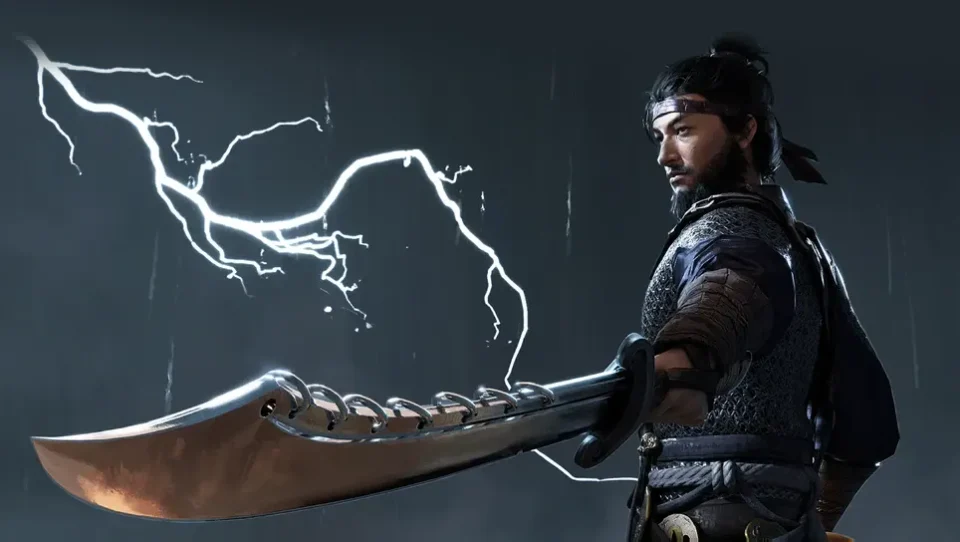
- Stonesplit - Might: Thundercry Blade and Stormbreaker Spear
- Stonesplit - Strength: Snowparting Blade and Phalanxbane Blade
- Bamboocut - Wind: Infernal Twinblades and Mortal Rope Dart
- Bamboocut - Dust: Everspring Umbrella and Unfettered Rope Dart
- Bamboocut - Kite: Heavenwill Gauntlets and Skygrasp Rope Dart
- Bamboocut - Draught: Skystrike Gauntlets and Riven Twinblades
Read the warning color, then time your response to the attack itself. Red attacks are openings for a deflect, while yellow or gold warnings call for a dodge. Reacting to the timing of the swing, rather than the first flash of its warning, lets you pick the right defense for each attack.
Save Endurance for escapes, and punish only after you survive the swing. Don't commit to a long combo just because your first hit connected. Breaking an enemy's Qi leaves them Exhausted and gives you a chance to Execute, but staying alive for the next swing matters more. Heal after a safe opening, because trying to heal while a combo is still coming usually makes things worse.