


You build and run a village in The Wandering Village, a city-building survival game out now on PC, Xbox, PlayStation and Nintendo Switch. Strange plants have spread across the world, and as they grow, they release poisonous spores. Your survivors have taken shelter on the back of Onbu, a giant creature that keeps wandering, so your village is always on the move. Because there's only so much room on its back, every house, farm and workshop has to be planned with care.
Each session is mostly about running the village day to day. You put villagers to work gathering food, wood, stone and water, and you build homes and workshops to help them do it. Poison can make villagers sick, so caring for them matters as much as keeping them busy. Scavenging parties bring back extra supplies and the Ancient Notes that research uses to unlock new buildings.
Your goal is to keep your people and Onbu alive while you keep the village moving. Along the way, you decide how to treat Onbu, either as a partner you trust or as a resource to exploit. The land changes too, from poisoned forests to dry dunes and ocean islands, so the route you pick matters.
- Developer
- Stray Fawn Studio
- Publisher
- Stray Fawn Studio, WhisperGames
- Release
- Full release: 2025-07-17 · Xbox Game Preview: 2023-07-20 · Steam Early Access: 2022-09-14
- Platforms
- Windows, macOS, Linux, Steam Deck, Xbox One, Xbox Series X|S, PlayStation 4, PlayStation 5, Nintendo Switch
Game data
Buildings
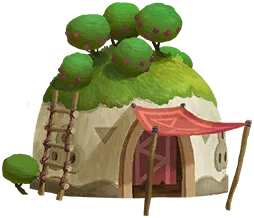
The buildings in The Wandering Village are grouped into village housing, storage, food, raw and refined resources, Onbu food and care, poison control and exploration. Each group has a clear job, whether that's feeding and housing villagers, making building materials, or keeping poison in check. Buildings are unlocked through research and placed on Onbu's back, so where you put them matters as much as which ones you choose.




Crops and Plants
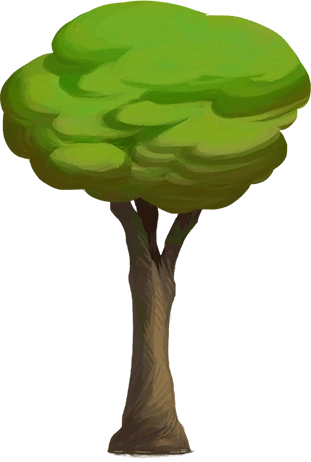
Crops and plants in The Wandering Village include farm crops like beets, corn, tomatoes, wheat and cactus, along with mushrooms, herbs, berry bushes, fish, kelp and trees. They feed your villagers, keep Onbu healthy, and supply water and wood. Each one needs the right climate, and toxic growth can spread across your land, so planning ahead is part of growing them.





The Wandering Village gameplay tips
- Build Berry Gatherers early and place them near bushes. Berries are one of the best early food sources, and villagers can eat them raw. Placing a Berry Gatherer near more bushes helps it gather more, and once you have a Kitchen, it turns raw food into meals of higher quality.
- Build a Herbalist hut and grow herbs before poison spreads. Spore clouds raise Onbu's poison level, so it pays to have herbs on hand early. Once you have an Onbu Doctor, herbs there cost 30 Herbs and remove 15% of Onbu's poison. Herbs also cure poisoned villagers at the Village Doctor.
- Build an Onbu Pharmacy to make Onbu Antitoxin. The antitoxin removes 25% of Onbu's poison, a stronger cure than herbs. Keep a stock ready so you can act as soon as Onbu's poison rises.
- Research petting and do it often. Petting Onbu is an Onbu Doctor action, unlocked by research and paid with Onbu Notes. Petting also raises Onbu's trust, and trust is what the Hornblower relies on.
- Build a Hornblower and keep Onbu's trust high. The Hornblower lets you give Onbu its basic commands: Lie Down, Walk and Run. Once Onbu trusts you enough, the Hornblower can also choose the path at crossroads, and when trust is low, Onbu may ignore orders. Use the Bile Extractor sparingly, since it slightly lowers Onbu's health and trust.
- Send scavengers out from a Scavenger Hut early. The hut sends parties out for free within a 12-hour range around Onbu, and going farther needs Scavenging Rations. Scout Towers extend that reach, so you can plan trips to Dunes and Desert Islands for sand, or Mines and Quarries for iron ore. Shrines are one place scavengers find Ancient Notes.