


Keep a beaver colony fed and watered in Timberborn, a city-builder set in a world where humans are long gone. Droughts and toxic waste have reshaped the land, so you guide a colony of beavers as they rebuild and try to survive. You start with a small colony around a lodge and choose one of two factions, the nature-loving Folktails or the industrious Iron Teeth, each with its own buildings and way of working.
Each play session is about keeping the colony fed and watered while it grows. Water comes first, so you place a pump on the river and a tank to store it, since rivers can dry up during a drought. Wood is the main building material, so beavers cut trees, and a forester replants them before the logs run out. Berries feed the early beavers, and farms come next, kept alive through dry spells by irrigation.
Once water and food hold steady, the focus shifts to growth. Droughts and toxic waste waves keep coming back, so you stockpile food and build more storage ahead of each one. As the colony grows, you keep the beavers content, which the game calls well-being, and reaching a high score as Folktails unlocks the Iron Teeth faction. The most advanced buildings need metal, which scavengers recover from old ruins, and wonders give you long-term goals in a sandbox you can play at your own pace.
- Developer
- Mechanistry
- Publisher
- Mechanistry
- Release
- Early Access: 2021-09-15 · Full release: 2026-03-12
- Platforms
- Windows, macOS
Game data
Buildings
Buildings are the structures that keep a Timberborn colony running, covering water, food, housing, wood, metal, power, science, well-being, automation and districts. Most must be unlocked with Science Points, and Folktails and Iron Teeth each have their own versions of many of them. Some can be built on stacked platforms, and bots can handle simple jobs once you've built their production chain.






Maps
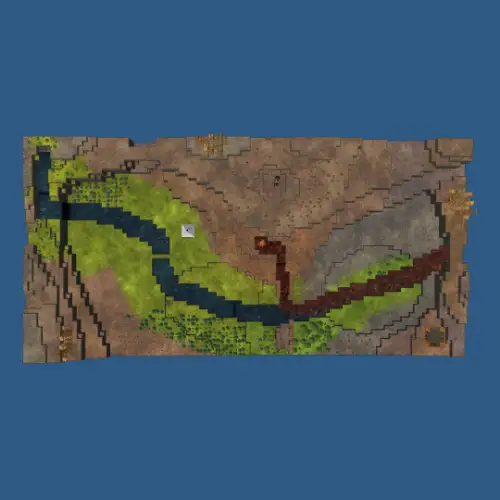
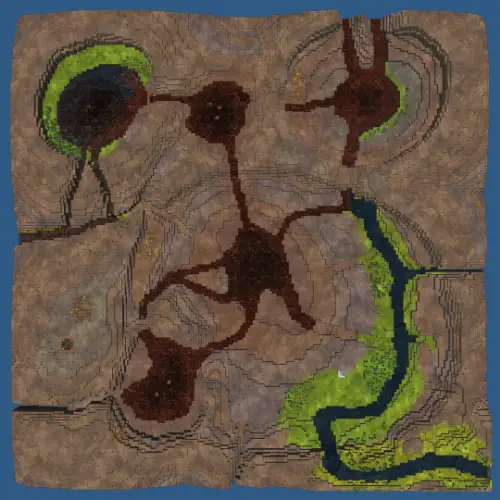
Timberborn maps set the terrain, water, trees, and ruins a beaver colony starts with, and they're grouped into beginner-friendly, standard, and unconventional maps. Droughts stop every water source on the map, so the water you store often decides how well a colony gets through them. Players can also design their own maps with the in-game Map Editor and share them on the Steam Workshop.
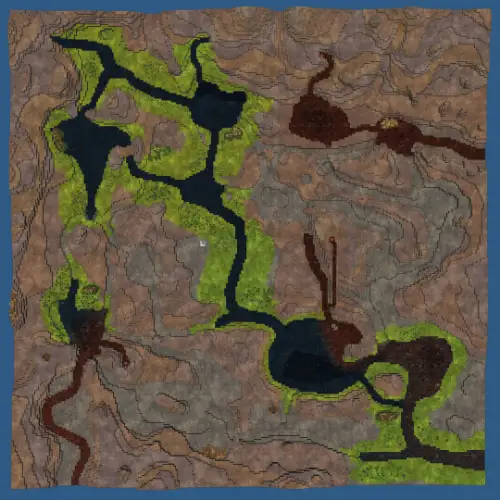
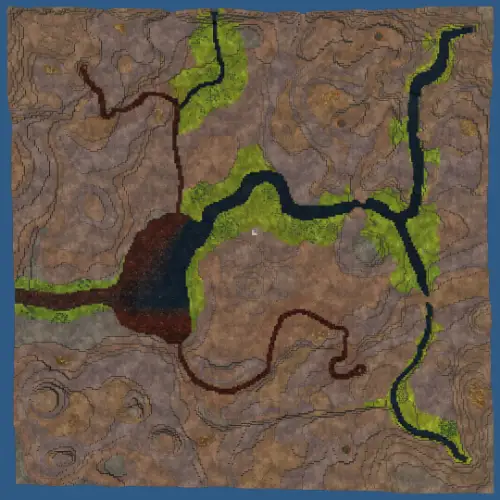
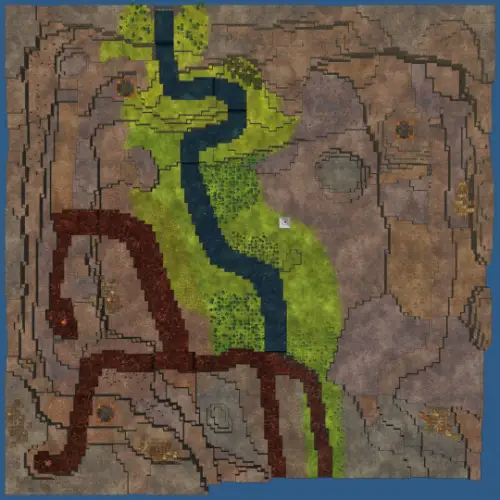
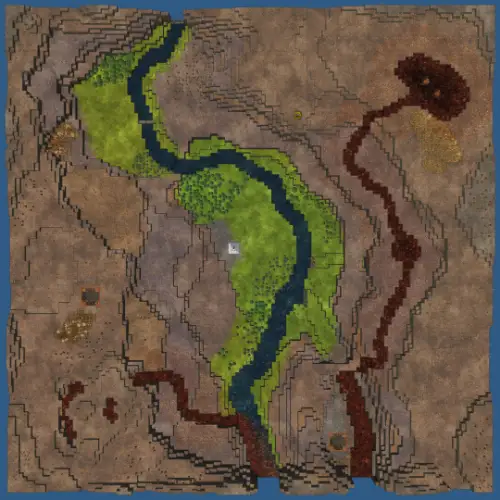
Crops
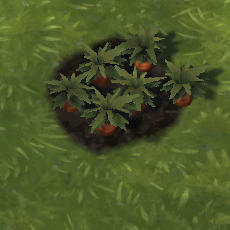
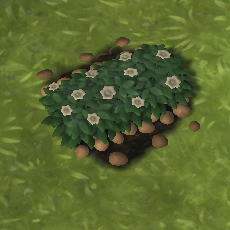
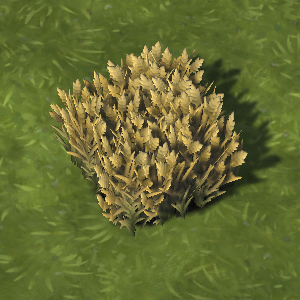
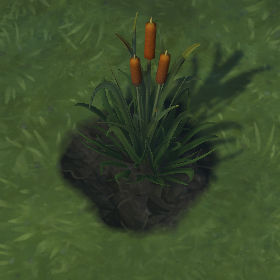
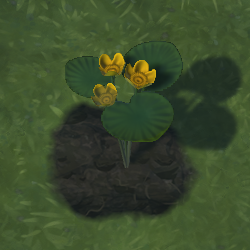
Crops are the plants farmers grow at farmhouses, and they are the main source of food for Timberborn's beavers. Each beaver faction has its own set. Folktails crops can be sped up with Beehives, and two of them grow in water. Iron Teeth crops all need irrigated ground, and most need processing before beavers can eat them.

Goods
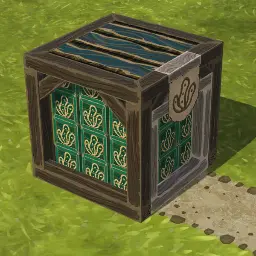
Goods are the resources that keep a Timberborn settlement running. They fall into food, ingredients, materials, and water and badwater, and each one is gathered or made, hauled by beavers or bots, and kept in warehouses, piles or tanks. Water and food keep your beavers alive, materials build your settlement, and badwater is both a hazard and a mid-game resource.

Timberborn gameplay tips
- Start as the Folktails on a beginner-friendly map. The Folktails are the faction every new colony starts with, and a beginner-friendly map such as Plains gives you easier ground and steadier water to learn on.
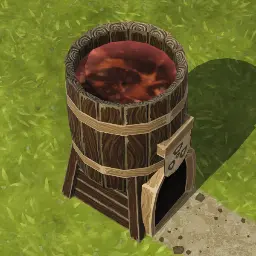
- Put a water pump on the river and a tank beside it early. Beavers can't go long without water, and the tank keeps a supply on hand when the river dries up.
- Plant a forester as soon as you start cutting trees. Without replanting, the logs run out, and you'll run short of the wood you build with.
- Dam a narrow stretch of the river and fill a deep reservoir behind it. Reservoirs lose water across every exposed tile each day, so a deep, narrow pool holds more than a wide, shallow one.
- Stockpile food and irrigate your fields before the next drought. Rivers dry up during a drought, and crops without irrigation die while trees stop growing, so a food stockpile and watered fields carry you through.
- Don't grow the population past what your storage can cover through a full drought. Every new beaver adds to the water and food the colony needs, so a bigger population runs dry faster.