

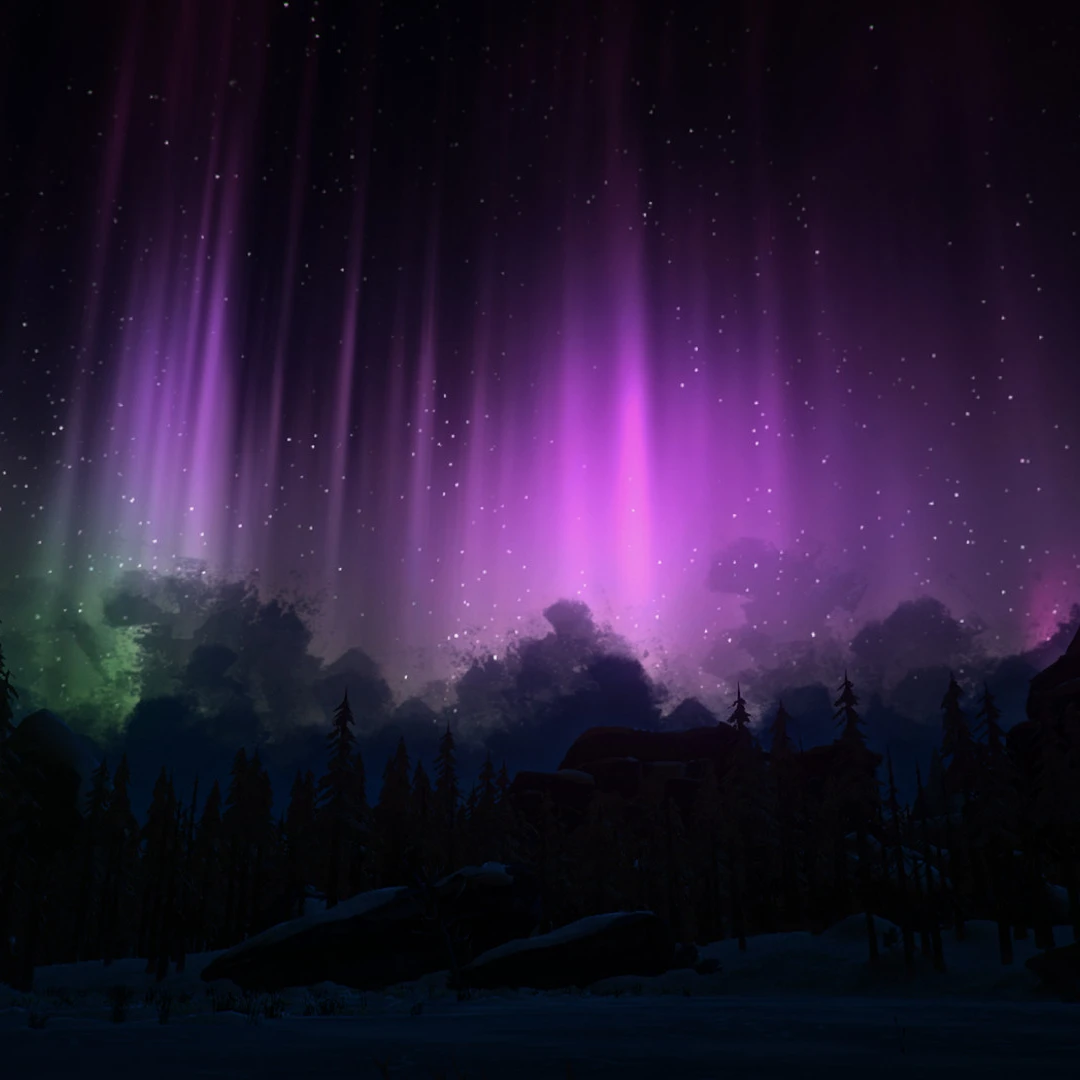
Stay warm, fed and alive on Great Bear Island in The Long Dark. It's a first-person survival game set in the frozen Canadian wilderness, after a mysterious geomagnetic disaster has knocked out the power. The threats are the cold, hunger, and wild animals rather than zombies, so most of the game is about keeping your body going.
A typical session is a loop of heading out and coming back. You hunt, fish, trap, climb, and map to find food and gear, then return to a warm spot to eat, drink, rest, and craft with what you found. Those trips take a toll, because every action costs calories and the cold keeps working on you, especially at night. Fire is how you stay warm and cook your food, so keeping one going is a big part of staying alive.
The goal depends on the mode you pick. In Survival, you try to last as long as you can, and a death normally ends the run. WINTERMUTE is the story mode, told across five episodes, where dying does not wipe your save.
- Developer
- Hinterland Studio Inc.
- Publisher
- Hinterland Studio Inc.
- Release
- Global: 2017-08-01
- Platforms
- Windows, macOS, Linux, PlayStation 4, PlayStation 5, Xbox One, Xbox Series X|S, Nintendo Switch
Game data
Tools and Weapons
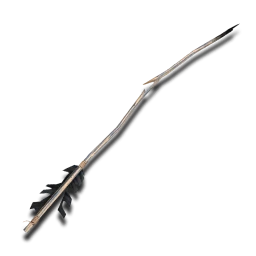
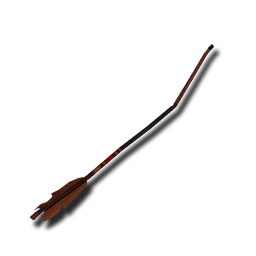
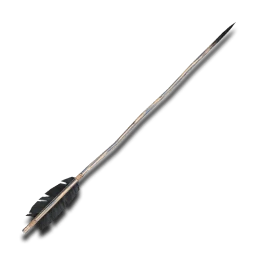
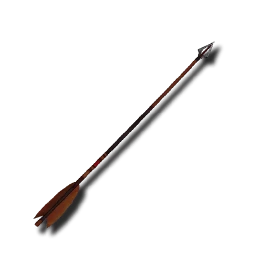
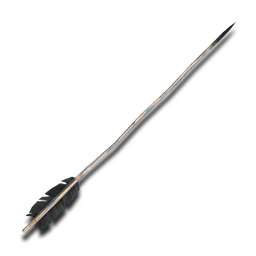
Tools and weapons in The Long Dark run from hatchets, knives, and saws to rifles, revolvers, and bows, with fire starters, lights, and cooking and fishing gear in between. Most wear down with use, so repair supplies and spare gear are part of staying alive. Each piece has a clear job, and choosing what to carry is a big part of surviving the cold.


Regions
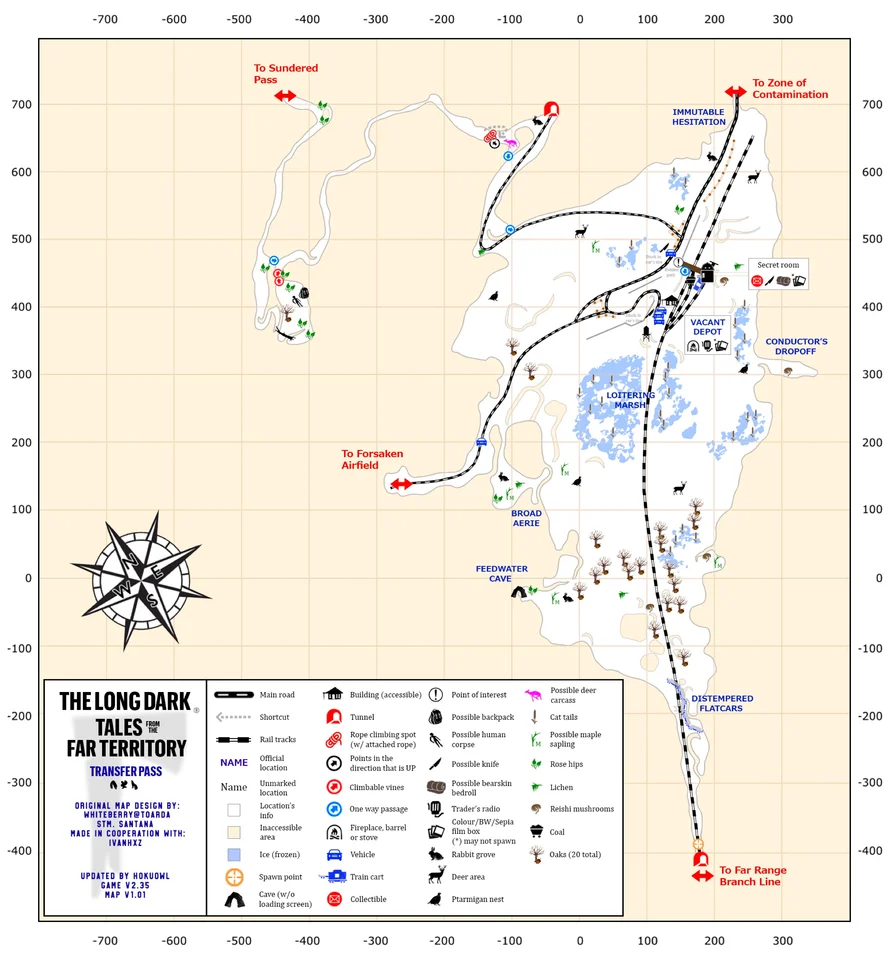
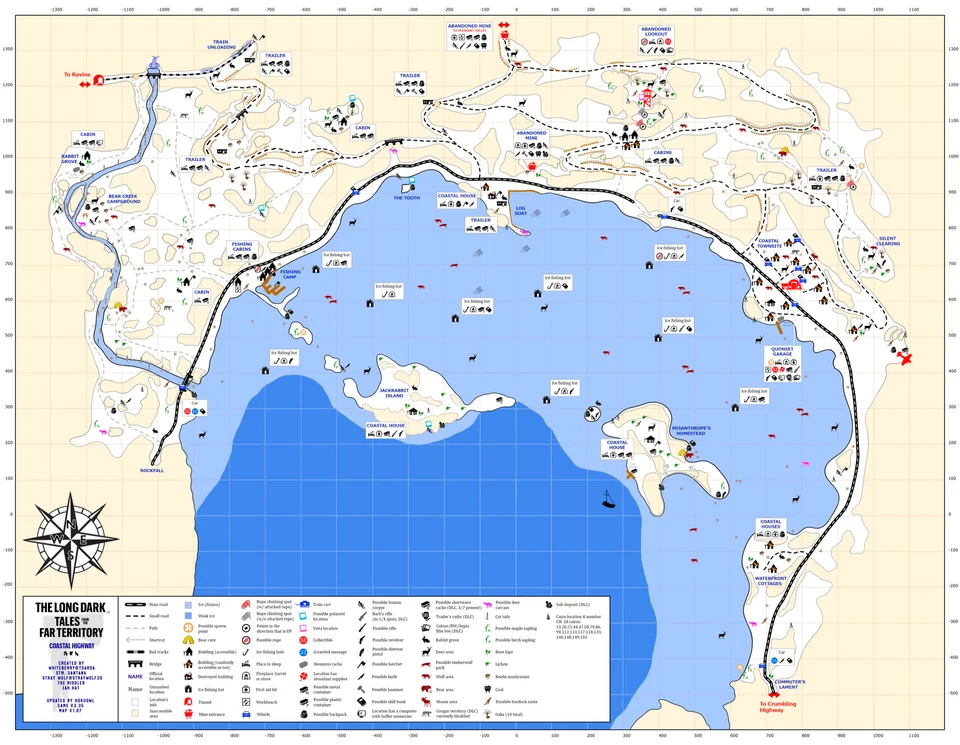
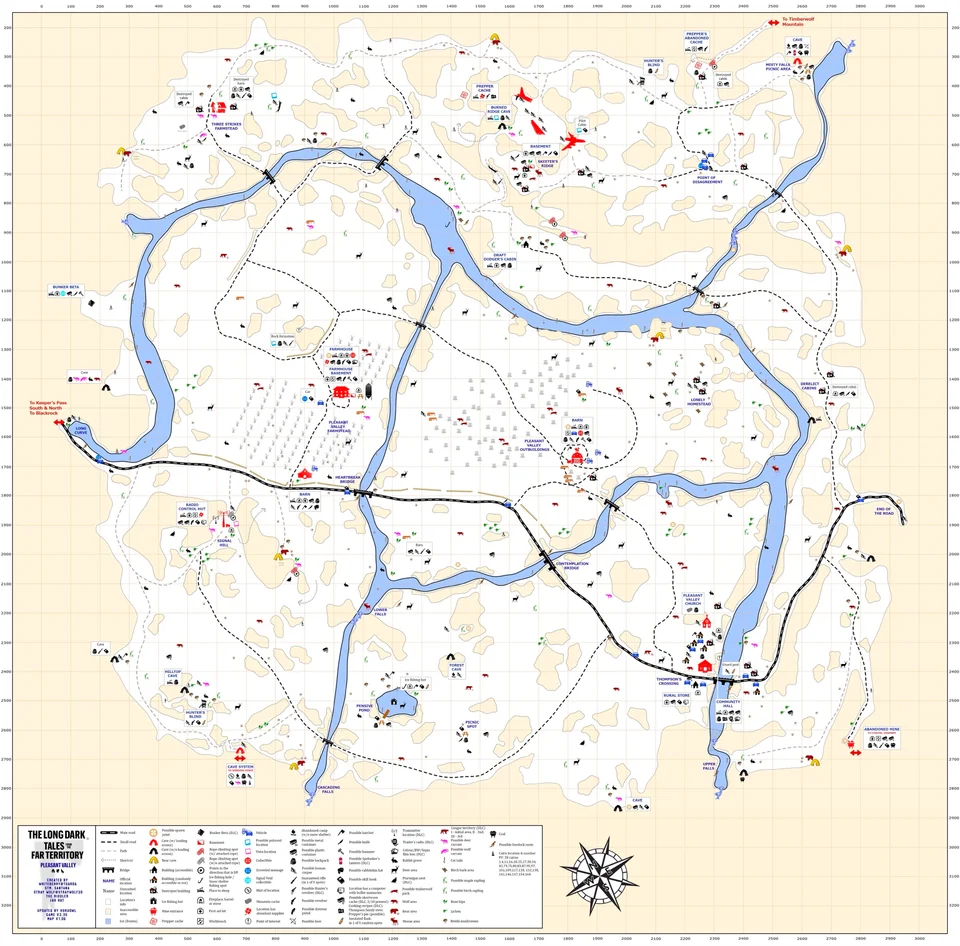
The Long Dark's map is divided into regions. The base game's main regions sit on Great Bear Island, joined by smaller transition areas, and Survival Mode lets you travel freely between them. Story Mode, called Wintermute, keeps you to certain regions in each episode. Tales from the Far Territory adds a set of new regions on the far side of the Far Range, reached from the end of Broken Railroad.



Clothing
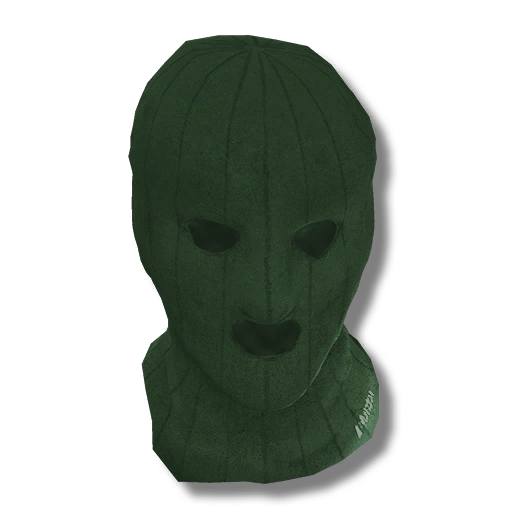
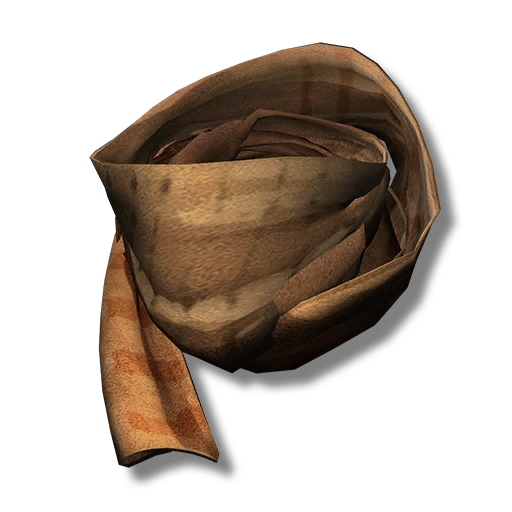
Clothing covers the head, hands, torso, legs, and feet, with inner and outer layers on the body and a few accessories that sit alongside them. Each piece adds warmth, resists water, and blocks some wind, and some also reduce damage. Clothing wears down over time and is repaired with a sewing kit or fishing tackle. The rarest pieces are the most sought after.




Food and Drink
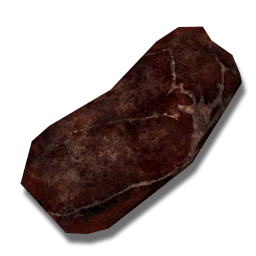
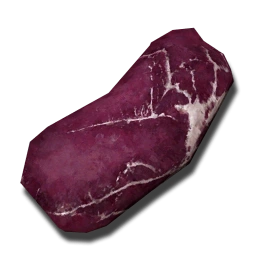
Food and drink in The Long Dark cover raw and cooked meat and fish, meals, drinks, cooking ingredients, animal parts and first aid items that treat illness. Food restores calories, drinks restore hydration, and many items do both or add warmth. How you cook, store and combine them matters as much as what each item is, so it helps to learn them together.


Crafting Recipes
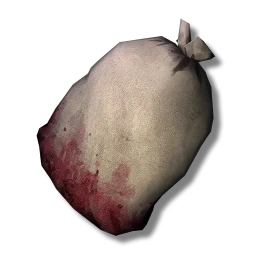
Crafting recipes turn gathered materials into clothing, tools, bandages, bows and ammunition. Each recipe is tied to a place, whether that's anywhere in your inventory, a lit fire, a work bench, a furniture work bench, a forge, or the ammunition work bench and ammunition forge in Bleak Inlet and Blackrock. Most recipes need specific tools and materials, and some raw items have to be cured before you can use them.


Animals
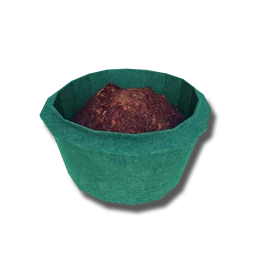
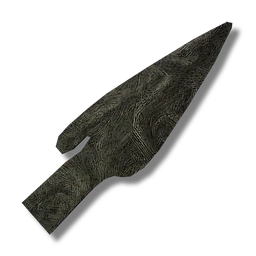
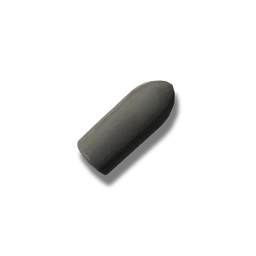
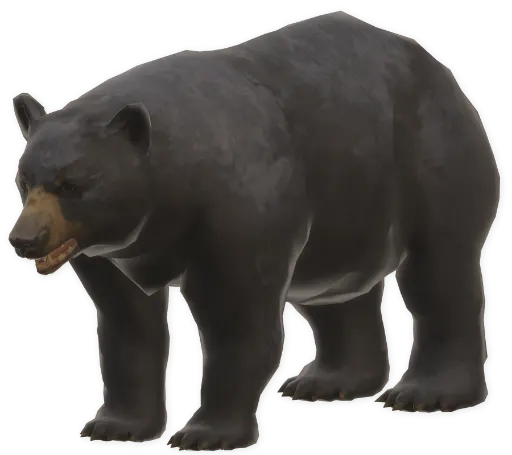
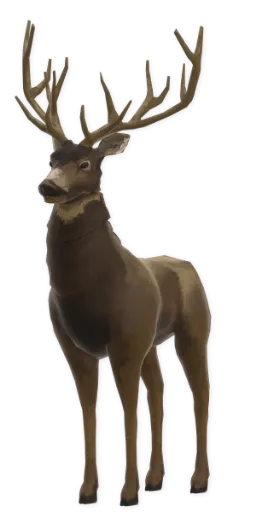
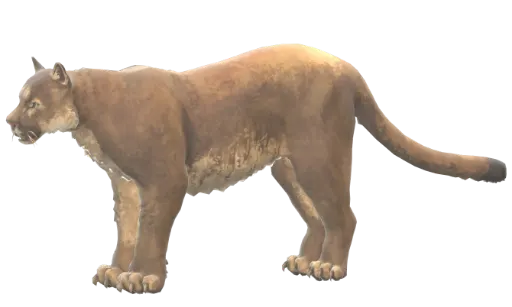
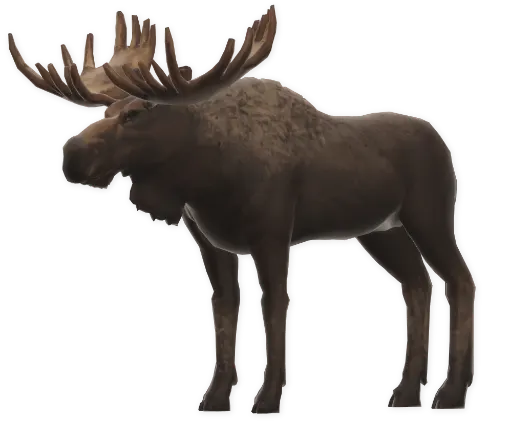
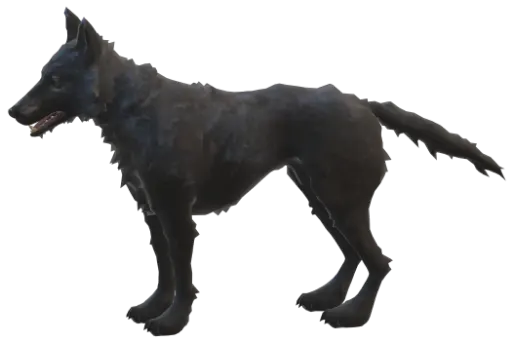
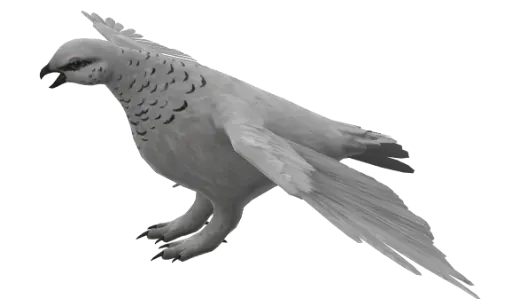
Huntable animals are the wild creatures you can kill for meat, hides and crafting materials in The Long Dark. The prey group includes rabbits, ptarmigans, deer and moose, while the predator group includes wolves, timberwolves, poisoned wolves, bears and cougars. Each animal behaves differently, so knowing what you're facing is the first step to a safe hunt.
The Long Dark gameplay tips
- Pick up sticks as you travel. Fire keeps you warm and cooks your food, and sticks are its fuel, so you have them on hand when you need a fire.
- Stand next to a fire when the cold starts to bite. Standing beside one stops frostbite risk from building up.
- Dry wet or frozen clothes by a fire. Wet or frozen clothing can be deadly, and frozen gear can cause frostbite on the body part it covers.
- Boil melted snow before you drink it. Untreated snow water can give you dysentery, which can be fatal.
- Skip sprinting and chopping wood when you don't need them. Both burn more calories than walking or standing still, so your food stretches further.
- Start on Pilgrim or Voyageur instead of Interloper or Misery. Interloper and Misery are the hardest settings, and learning how warmth, food, and fatigue interact on an easier one first gives you a stronger footing.