


You cross the world map and fight through towns and dungeons in Tales of Eternia Remastered, a remaster of the role-playing game that first came out in Japan in 2000 as Tales of Eternia, and in North America in 2001 as Tales of Destiny II. It arrived in October 2026 on PlayStation 4 and 5, Xbox Series X and S, Nintendo Switch and Switch 2, and PC through Steam. The story starts with Reid Hershel, a young hunter who sets out with his childhood friends Farah and Keele after meeting Meredy, a girl who speaks a language no one around them understands. Their search for answers pulls them into a conflict between two worlds, Inferia and Celestia, which sit across from each other in the sky.
Most of your time goes to crossing the world map and working through towns and dungeons, where fights break out as you move around. Battles take place in real time on a flat 2D field, and you control one character at a time while the rest of the party fights under the settings you choose. You chain attacks and special moves called Artes into combos, and you can pick Auto, Semi-auto, or Manual control depending on how hands-on you want to be. Towns let you rest and shop with Gald, the game's money that comes from battles, and you can cook meals from ingredients you gather.
As you fight, your characters level up and learn stronger Artes by using the basic ones, while Meredy and Keele cast spells by placing spirits called Craymels into cages. Your main goal is to stop the Grand Fall, a collision that would destroy both worlds, by seeking the power of the Greater Craymels. Along the way, camping on the world map brings up skits, short scenes where the party talks and grows closer. Once the story ends, you can try the harder Unknown difficulty.
- Developer
- TOSE Co., Ltd.
- Publisher
- Bandai Namco Entertainment
- Release
- Japan: 2026-10-15 · Worldwide: 2026-10-16
- Platforms
- PlayStation 5, PlayStation 4, Xbox Series X|S, Nintendo Switch, Nintendo Switch 2, PC (Steam)
Game data
Weapons, Armor and Accessories
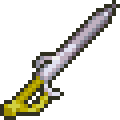
Weapons, armor and accessories are the gear characters equip in Tales of Eternia Remastered. Weapons raise attack and can carry elements such as Earth, Fire or Light, armor lowers the damage characters take, and accessories add effects such as extra attack, luck, healing or faster spellcasting. Each character can use only certain types, so check who a piece fits before you spend gald on it.





Items
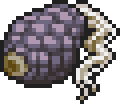
Items in Tales of Eternia Remastered cover healing gels and bottles, cooking ingredients bought in shops, and tools such as crystals and shards that raise Craymel Vitality. Bottles can lower shop prices or change how often enemies appear, and some tools can be auctioned at the Jini auction house. Valuables are key items from the story and side quests, and they aren't sold in shops.




Collectibles
Monsters
Monsters are the creatures you fight across Tales of Eternia Remastered, from zombies and specters to trolls and dragons. Each one gets a numbered entry in the monster book when you meet it in battle, and Spectacles reveal a monster's elemental weaknesses. Some only appear at night or in side activities, so a full book takes some searching.






Recipes
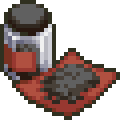
Recipes are dishes you cook outside battle to heal the party, cure status problems or boost stats. The Wonder Chef teaches most of them as you explore towns, and master recipes are unlocked by mastering earlier dishes. The starting Dark Pot is the only recipe you begin with, and its random ingredients make it better for experimenting than for planning.






Tales of Eternia gameplay tips
- Keep Boost settings moderate on your first run. Boost multiplies the experience you earn, and stacking it high can make progress so easy that fights stop mattering. Save the big multipliers for a second run or for grinding one specific item.
- Cook a stat-boosting meal before boss fights. A good dish can restore HP or give your stats a temporary lift, and boss fights on harder difficulties demand that kind of preparation.
- Order Meredy and Keele to keep their distance. Both fight mainly with spells, and they can fall quickly if enemies reach them. Allies follow their formation settings and can walk into danger, so setting that distance keeps your casters alive.
- Switch to Semi-auto or Manual for boss fights. Auto mode handles routine encounters well, but bosses and enemy gang-ups are where the challenge is. Semi-auto handles positioning for you, while Manual leaves placement and skill timing in your hands.
- Turn off random encounters before you backtrack. Searching an earlier area for a missed item, such as a Lens, is slow when every few steps start a fight. You can turn random encounters off for that trip.
- Use Battle Retry after a defeat. Retrying lets you fight the same battle again right away, so you can try a different plan without replaying the route.