

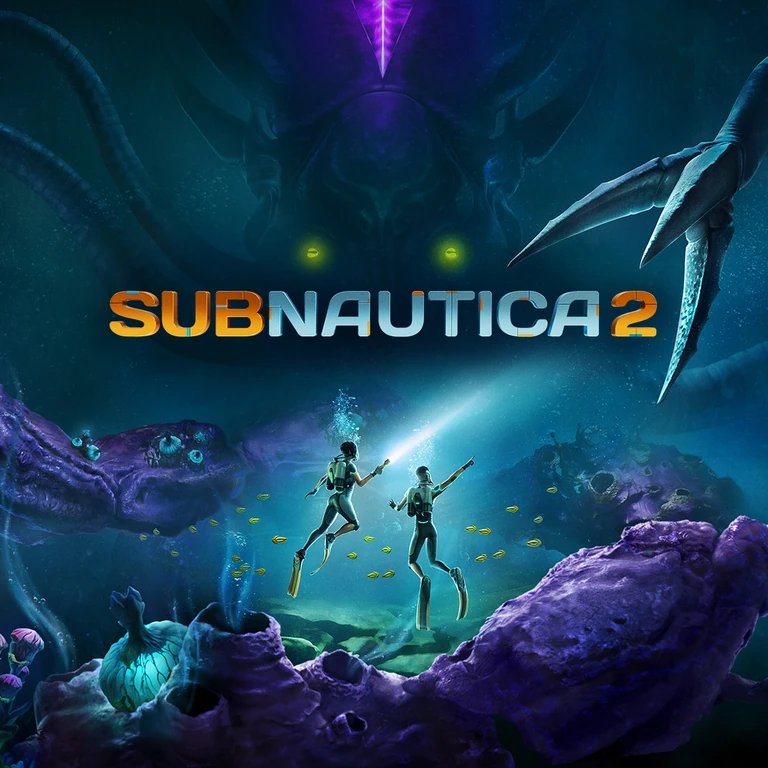
Subnautica 2 is an underwater survival game set on an all-new alien world, and it's the next chapter in the Subnautica series from Unknown Worlds. You play as one of the Pioneers, stranded in a vast ocean after a shipwreck, and your first job is staying alive long enough to learn how this strange planet works. Your journey starts at your Lifepod, which ended up crashing into the water along with you.
A typical session starts when you leave the Lifepod and swim out to explore the ocean. Along the way you gather resources and scan what you find, since scanning fragments unlocks blueprints and scanning creatures and objects adds to what you know about the world. Then you head back to craft equipment and improve your base, which is the place you return to when your trips take you past the safety of shallow waters.
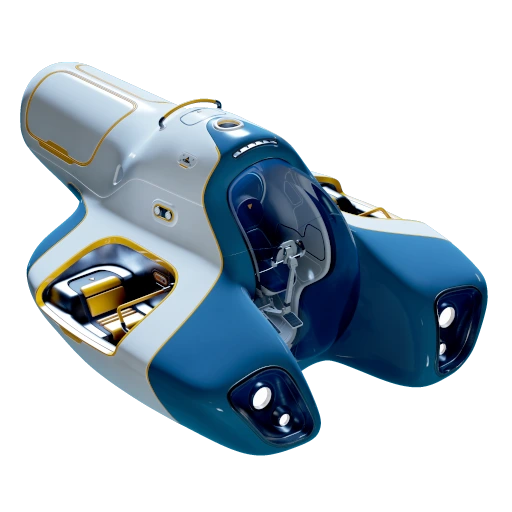
Each trip is about going a little further. Better tools, a bigger oxygen capacity and the Tadpole submersible make that possible by letting you stay out longer and reach deeper areas. Biomods, which you access through a Biolab, are another goal to work toward. You can play alone or in online co-op with up to three friends, and in co-op you share the exploring and building.
- Developer
- Unknown Worlds Entertainment
- Publisher
- Unknown Worlds Entertainment
- Release
- Early Access (PC and Xbox Game Preview): 2026-05-14
- Platforms
- Windows PC, Xbox Series X|S
Game data
Resources, Materials and Food
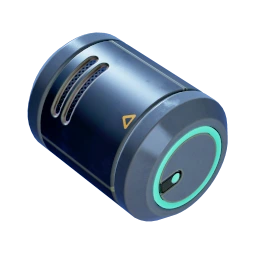
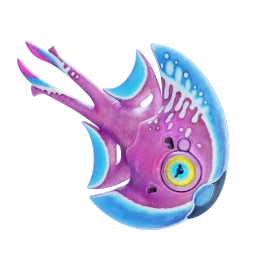
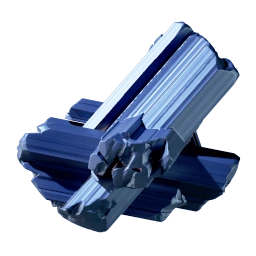
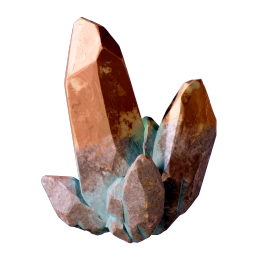
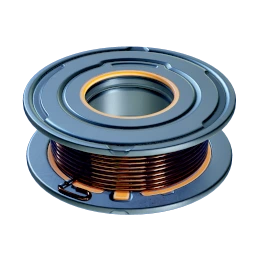
Resources, materials and food form the everyday supply chain of Subnautica 2. Raw metals, minerals and harvested parts feed crafting at the Fabricator and Processor, which turn them into the components, batteries and ingots that keep your gear and base running. Food and drink follow their own loop, from Water Slugs and starter rations to cooked fish, and a few ingredients serve both sides.

Tools, Equipment and Vehicles
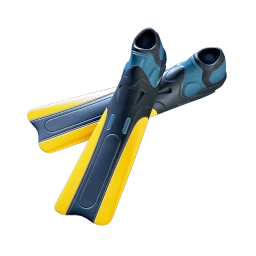
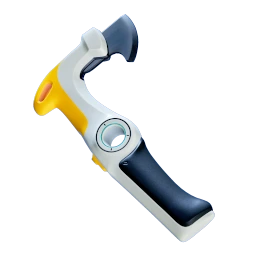
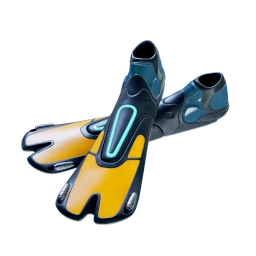
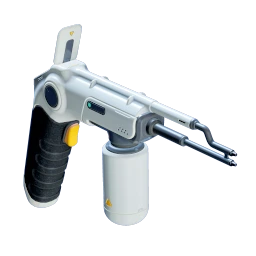
Tools, diving equipment and vehicles in Subnautica 2 cover gathering, scanning and building, staying underwater longer, and getting around farther with the Tadpole submersible. Much of the gear is crafted at the Fabricator, with blueprints unlocked by scanning fragments and upgrades handled at the Modification Station. The Survival Multitool and Scanner are the usual first picks, while Tadpole upgrades start to matter once you head into deeper water.
Biomods
Biomods are genetic upgrades equipped at the Biolab in Subnautica 2, and they come in active abilities you trigger and passive effects that stay on. You start with one active slot and one passive slot, and scanning creatures with a Bioscanner opens more passive slots over time. Some Biomods are ready from the start, some can come from Biolabs, and most unlock by scanning specific creatures with a Bioscanner. A regular Scanner scan doesn't count toward them.






Collectibles
Creatures
Subnautica 2 is home to a wide range of creatures, from giant leviathans and fish to crustaceans, mangos, jellies, slugs, salpapods and Bloom organisms. Some are harmless, some hunt divers and Tadpoles, and most can be made to flee or turn briefly dizzy with the Survival Multitool and Sonic Resonator, though neither tool kills them. Scanning creatures with the Bioscanner records them and can unlock Biomods, and the Bloom Parasite is the main encounter in Bloom-infested areas.


Subnautica 2 gameplay tips
- Find quartz and build the Scanner early. Quartz is the cloudy crystal you need to craft the Scanner, and the Scanner is how you start unlocking blueprints.
- Make air bladders and the standard air tank before you go farther out. Both let you explore underwater for longer, which gives each trip more room to find things.
- Scan two Habitat Builder devices to unlock the Habitat Builder. You need it before you can build a deep-sea house, so it's worth doing early if you want a base farther out.
- Build a fully functional Fabricator before you push further. It's required to make the best tools, and you'll need those tools to keep progressing.
- Make a Repair Tool before you rely on the Tadpole. You'll likely crash the submersible at some point, and the Repair Tool is what you need to fix it. The sulfur it takes is found not far from the Lifepod.
- Follow the black box quests. NOA, the Lifepod's AI, offers them now and then, and they lead you to habitats with tools and furniture you can scan for blueprints.