


In Slay the Spire 2, you fight turn-based battles with a deck you build along the way. It's a roguelike deckbuilder from Mega Crit, and it entered Early Access on PC through Steam on March 5, 2026. In a roguelike, every run plays out differently, and a loss sends you back to the start. You pick a character, who comes with a small starter deck, and then climb through three acts. Each act is a branching map, and the rooms you choose, such as fights, shops, events, and rest sites, shape the deck you bring to each boss.
Fights play out in turns. Every turn you get 3 energy and draw 5 cards, and each card costs some of that energy, so you have to decide what matters most, whether that is dealing damage or blocking an attack. Enemies show their next move before it happens, which tells you when to defend and when to push for damage. After a regular fight, you can add one of three offered cards to your deck or skip them all, because a smaller deck draws its strongest cards more often.
Along the way, you pick up relics, which are items that stay with you for the rest of the run, and potions, which are single-use boosts for tough moments. You win by beating the boss at the end of the third act. Even a lost run adds to your unlock progress, which opens new characters and content over time, and beating the third act opens harder Ascension levels for extra challenge. You can also team up with up to three friends in online co-op.
- Developer
- Mega Crit
- Publisher
- Mega Crit
- Release
- Steam Early Access: 2026-03-05
- Platforms
- Windows, macOS, Linux
Game data
Relics
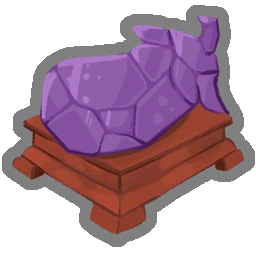
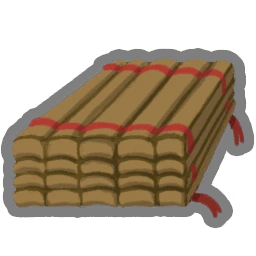
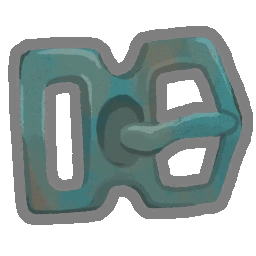
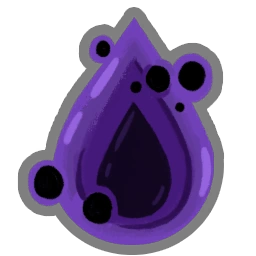
Relics are passive items that stay in your top bar and keep working for the rest of a run, with no energy or card cost to use them. You can get them from starting bonuses, elite fights, treasure rooms, events, shops and the Ancients you meet at the start of each act. Each character has its own starter relic and a pool of unique relics.


Enemies
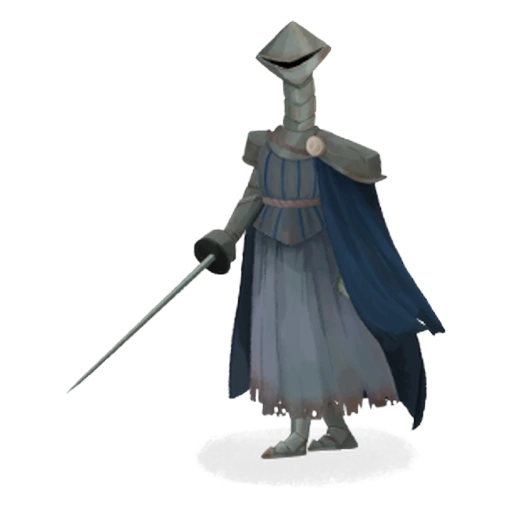
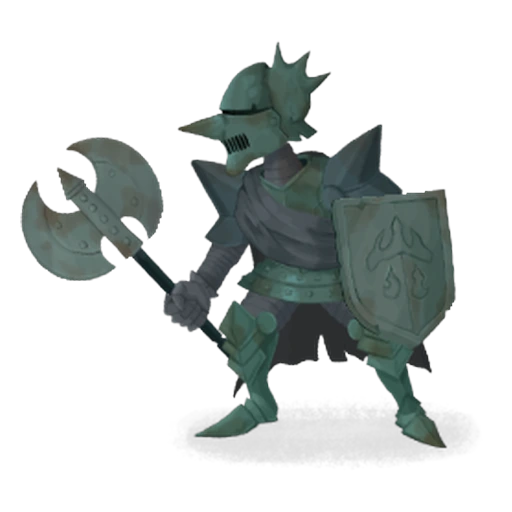
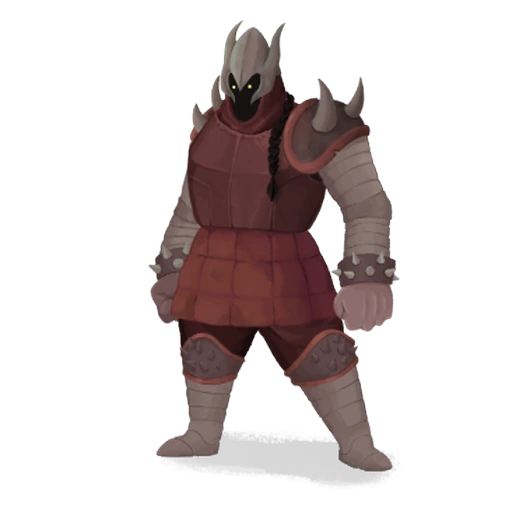
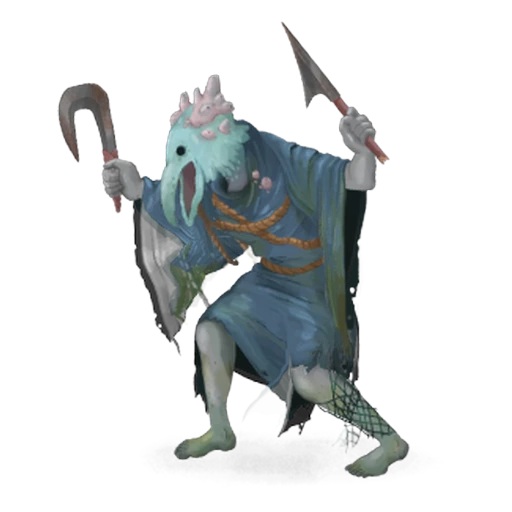
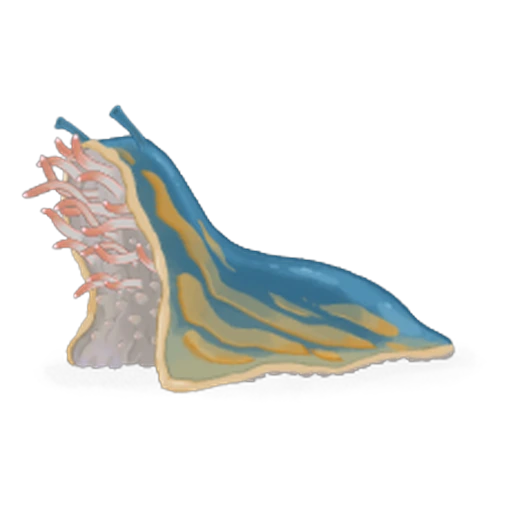
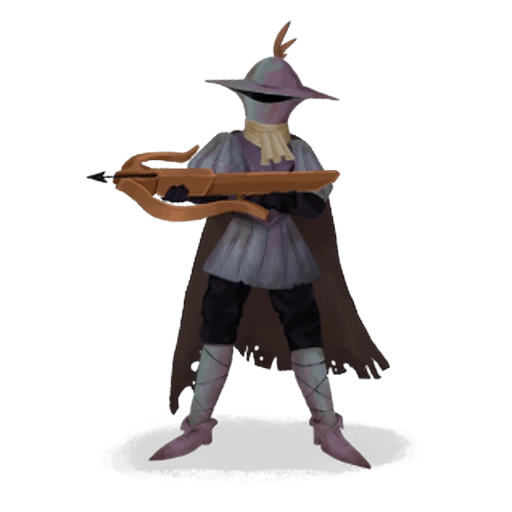
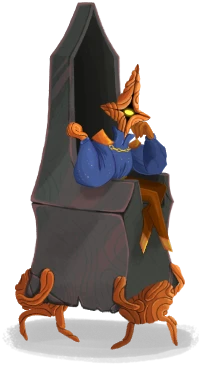
Enemies in Slay the Spire 2 come in three types: regular monsters, elites, and a boss at the end of each act. Regular fights are the most common, elites hit harder and reward relics, and each act boss is drawn from a short list for its area. Every enemy shows its planned move a turn ahead, so reading enemy intent is central to nearly every fight.
Characters
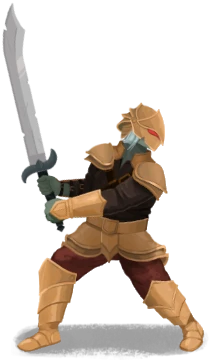
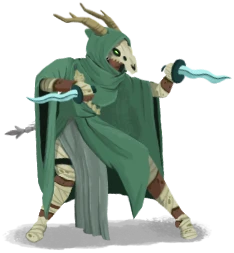
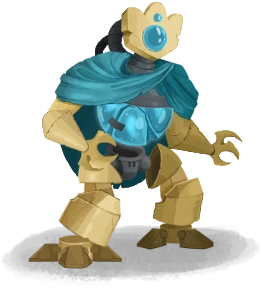
Slay the Spire 2's playable characters are the Ironclad, Silent, Regent, Necrobinder and Defect. The Ironclad is open from the start, and each of the others unlocks after you play a run with the character before it in that order. Each has a distinct style, from the Ironclad's heavy hits and healing to the Defect's orb engine, and any of them can win a run.

Potions
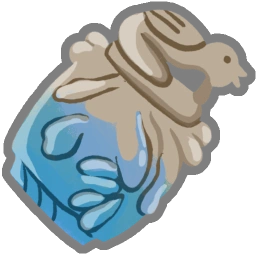
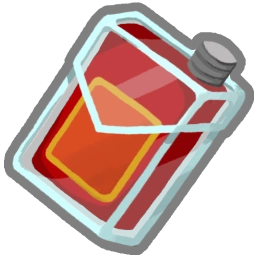
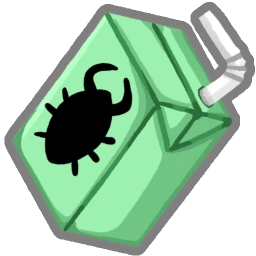
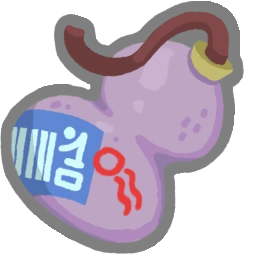
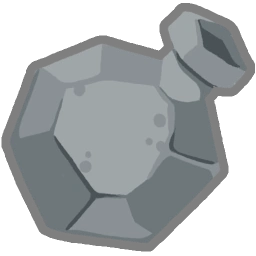
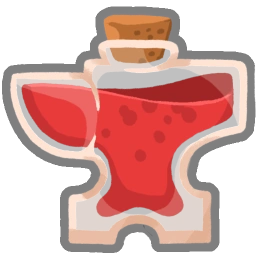
Potions are single-use items you carry and drink during fights for a quick boost, such as heavy damage, a shield, extra Energy or healing. They're grouped into Common, Uncommon, Rare, Event and Special tiers. Each character has three potions of their own, while most of the rest are shared by every character. You can find potions from fights, events, the Merchant and certain opening choices at the start of a run.
Slay the Spire 2 gameplay tips
- Take elite fights when your deck can handle them. Elites are much harder than regular fights, but every elite gives at least one relic, and relics stay with you for the rest of the run. Plan your route so a rest site comes soon after, giving you a chance to heal.
- Skip the card rewards that do not fit your plan. Every extra card dilutes your deck, which makes your best cards show up less often when you draw. If none of the three choices support your main strategy, skip all three.
- Remove your starting Strike and Defend cards at shops or events. They are the weakest cards you have, and a leaner deck gets your stronger, upgraded cards into your hand more often. Card removal costs gold, so it pays to save some for it.
- Block before attacking when an enemy is about to hit you. Enemies show their next move ahead of time, so you can see when damage is coming. Block wears off after the enemy's turn, so it only stops the attacks coming right now. When nothing is coming, put your energy into damage instead.
- Use potions when a fight starts going badly. A potion can save a lot of health in one tough turn, but an unused potion does nothing for you once the run is over. Waiting for the perfect moment often means you never use them.