

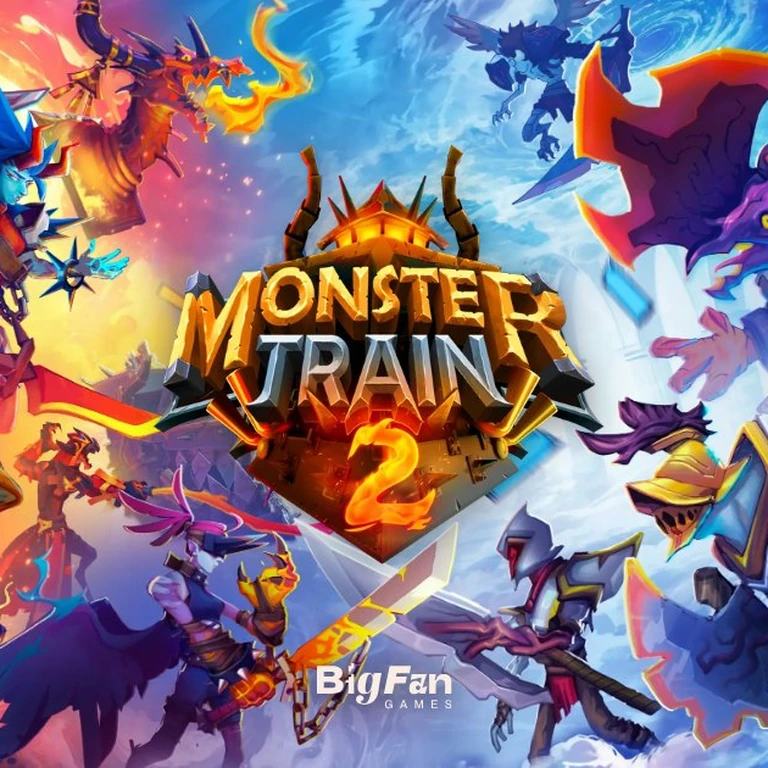
In Monster Train 2, a run is one full trip through the game, from start to final boss, and it begins with three choices: a primary clan, an allied clan, and a Pyre Heart. The clans matter most because your deck can only hold cards that don't belong to a clan and cards from those two clans, so your pairing decides which cards you can pick up. The Pyre Heart sets up the Pyre you'll be protecting for the whole run.
Between fights, you travel a map of stops where you can improve your deck and train, and you pick up new cards from packs along the way. The run is split into Rings, and once you've finished the stops in a Ring, you face one battle chosen at random from a small pool. In each battle you play turns, summoning units and casting spells while placing Room and Equipment cards across the floors of your train to stop waves of enemies before they reach the Pyre at the top. Losing the Pyre ends the run, so every turn is really about keeping enemies away from it.
Your goal is to keep the Pyre standing through each Ring and defeat the final boss at the end of the run. Each run also earns experience for your clans, and leveling them up unlocks cards, Artifacts, and a secondary Champion, so every run adds to what you can use later. After each run you return to the Covenant Outpost, the hub for the game's main features, and once you've got the basics, Daily Challenges, Dimensional Challenges, and Endless Mode offer more to play. The Destiny of the Railforged DLC adds the Railforged clan and a separate mode called Soul Savior.
- Developer
- Shiny Shoe
- Publisher
- Big Fan Games
- Release
- Global: 2025-05-21
- Platforms
- Windows, macOS, Nintendo Switch, PlayStation 5, Xbox Series X|S
Game data
Cards
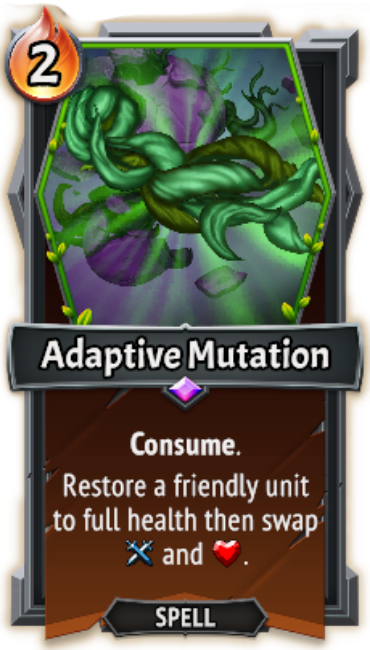
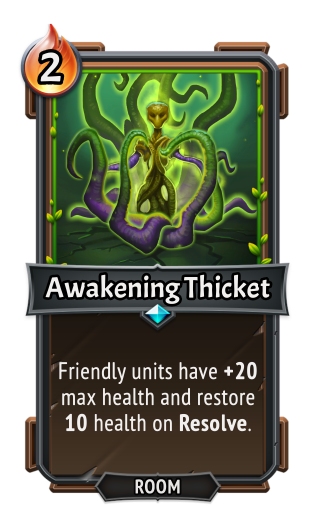
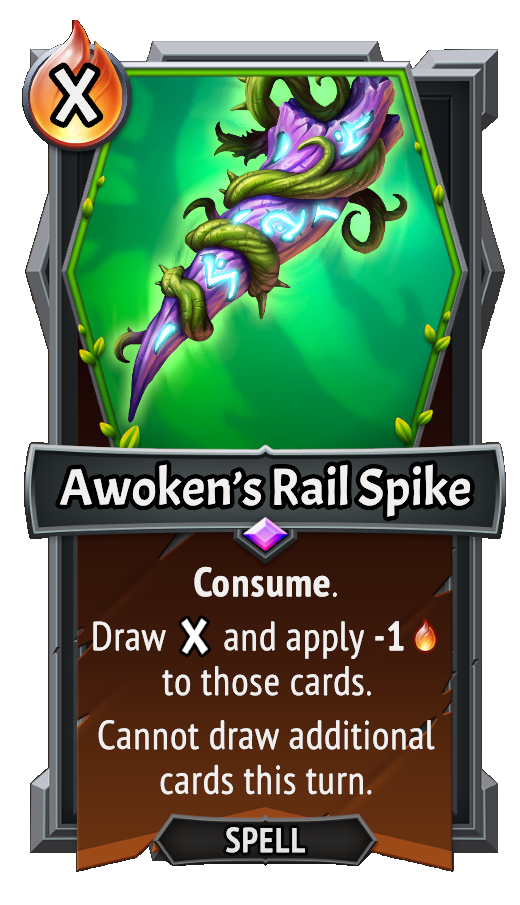
Cards are the core of Monster Train 2, and every run is built from them. Each run pairs a primary clan with an allied clan, and the deck is made of their cards along with Clanless cards. Champions, spells, units, equipment, rooms, blights and scourges each play a different role, while rarity, upgrades and where you find each card shape what a deck can become.
Enemies
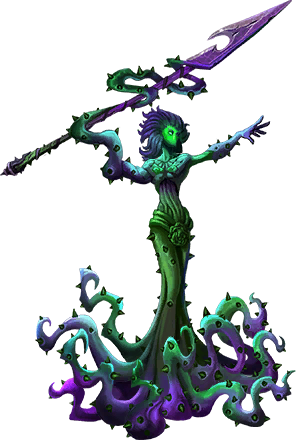
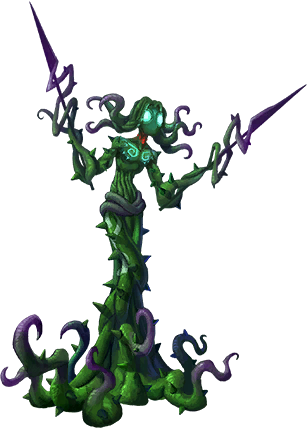
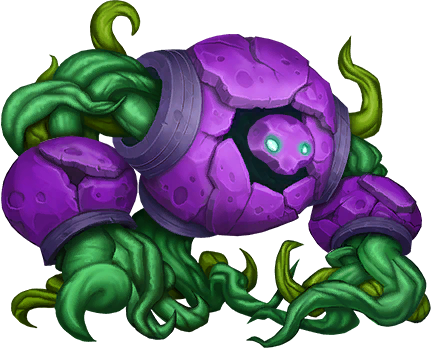
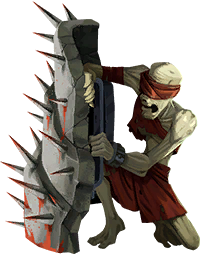
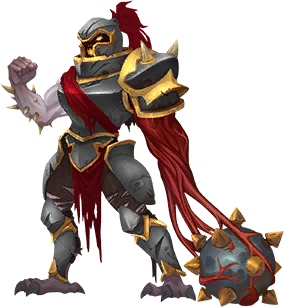
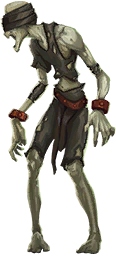
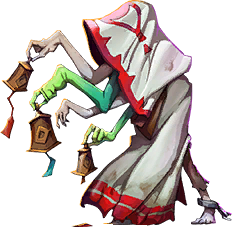
Enemies are the foes you face in Monster Train 2 runs, arriving in waves across Rings 1 through 9 and in the Soul Savior mode. Each has a type, such as Heavy, Attacker, Cleric, or Mage, plus abilities that trigger at specific moments, like after a fight or when a spell is cast on their floor. Standard enemies grow tougher as Covenant levels rise, and Soul Savior brings its own enhanced versions with separate stats.
Bosses
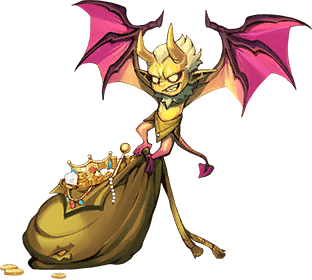
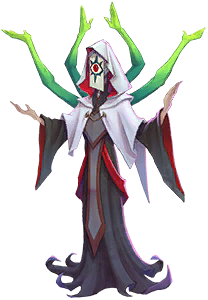
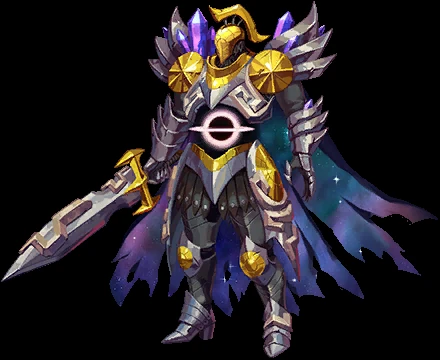
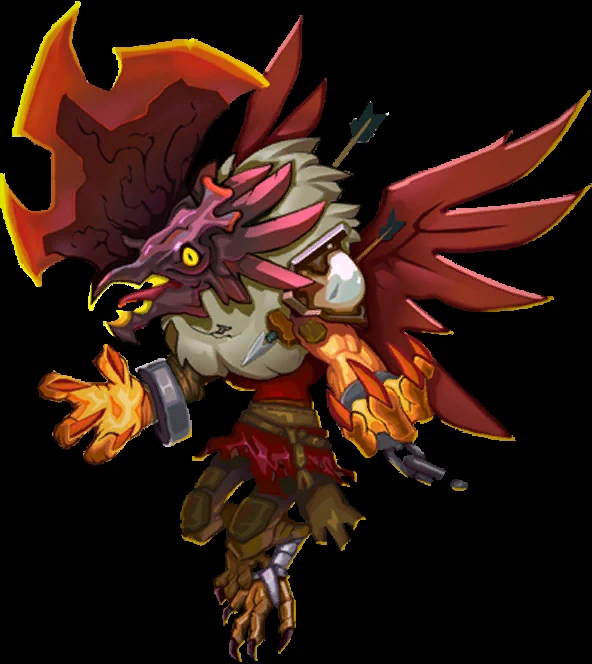
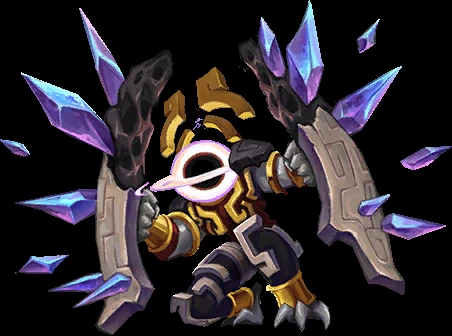
Bosses end the combat waves on each Ring in Monster Train 2, from minor enemies on the early and middle Rings to flying major bosses and the optional Titan fight on Ring 9. Many come in several forms, and standard boss stats rise with Covenant Rank. Soul Savior, the mode from the Destiny of the Railforged DLC, has its own bosses, including a first battle, a boss for each region and a final encounter.
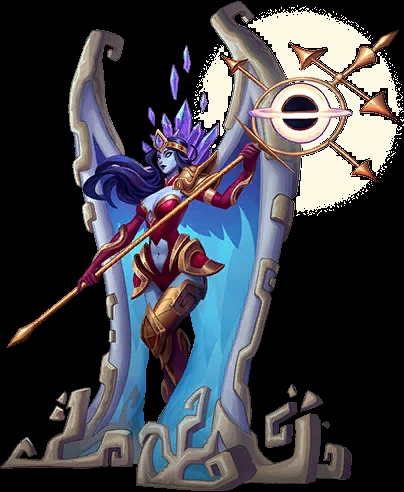
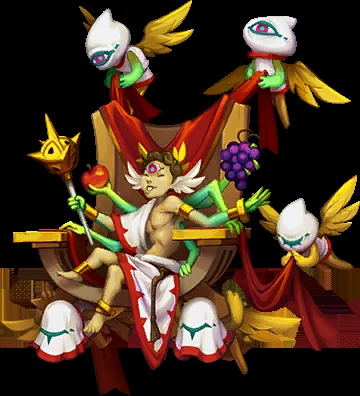
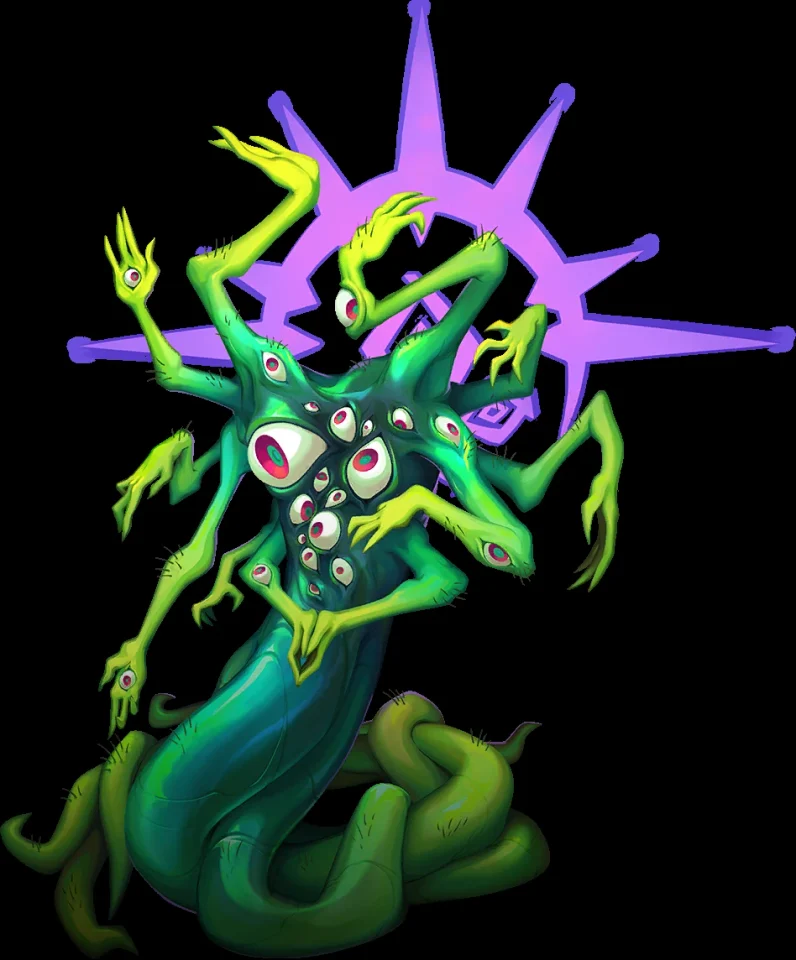
Monster Train 2 gameplay tips
Stop enemies on the lower floors. Enemies start on the bottom floor and climb one floor after each turn's combat, and any enemy that reaches the Pyre attacks it right away. Clearing threats while they're still low keeps them from getting that close. Killing a boss also ends the fight on the spot, so its surviving allies never climb to hit your Pyre.
Treat Pyre health as a limited resource. Pyre damage carries over from one battle to the next, and it doesn't refill on its own. It only recovers through certain spells, Artifacts, Celestial Alcove events, and Pyre Remains, so it pays to grab those options when they show up.
Use the Deployment Phase to set up Banner Units. The first turn of a battle gives you extra Ember, no enemies spawn, and by default the cards you can draw are Banner Units and Deployable cards. Get your Banner Units onto the train while it's still empty. Their abilities won't activate that turn, so don't count on them doing anything until later turns.
Read the Pyre Heart before you pick it. Each Pyre Heart has its own stats and may add a special ability or a universal buff. Pyre of Dominion, for example, removes your Starter Cards and your Shield and Spear Stewards, then has you draft four packs at once and get two copies of each card you pick. That's a big change to how your run begins, so choose it only if you want a run built that way.
Put Equipment on units that can stay alive. Equipment stays attached to a unit for the rest of the battle, but only until you replace it with another piece of Equipment or the unit dies. Losing the unit ends the bonus, so keep your best Equipment on units you can protect.
Accept a Trial only when your deck is ready for it. Before a Ring's battle, you can accept a Trial, which brings extra rewards but makes the fight harder. If your deck is still thin, skip the Trial and play the normal battle.