
Ascension is the difficulty ladder in Slay the Spire 2, a game about building a card deck as you fight through three acts. To unlock it, beat the Act 3 boss with a character in a standard solo run, which opens Ascension 1 for that character. Each win at your highest unlocked level then opens the next, up to Ascension 10.
| Ascension | Name | What it changes |
|---|---|---|
| 1 | Swarming Elites | Elites spawn about 60% more often, with 8 per act map instead of 5. |
| 2 | Weary Traveler | Ancients heal only 80% of missing HP, rounded down, including Neow. |
| 3 | Poverty | Enemies and Treasure Chests drop 25% less Gold. |
| 4 | Tight Belt | You start with one fewer Potion slot. |
| 5 | Ascender's Bane | You start each run with the Ascender's Bane Curse in your deck. |
| 6 | Inflation | Merchant card removal starts at 100 Gold, and each removal after that adds 50 Gold instead of 25. |
| 7 | Scarcity | Rare and upgraded cards appear half as often. |
| 8 | Tough Enemies | Enemies have more HP. |
| 9 | Deadly Enemies | Enemies have deadlier attacks. |
| 10 | Double Boss | You fight two bosses at the end of Act 3. |
How to Unlock Each Ascension Level in Slay the Spire 2
Ascension is tracked separately for each character, so you climb one character at a time. The process goes like this:
- Win a standard solo run with a character by defeating the Act 3 boss. This unlocks Ascension 1 for that character.
- Start a run at your highest unlocked level and win it. This unlocks the next level.
- Repeat step 2 until you reach Ascension 10, the top of the ladder.
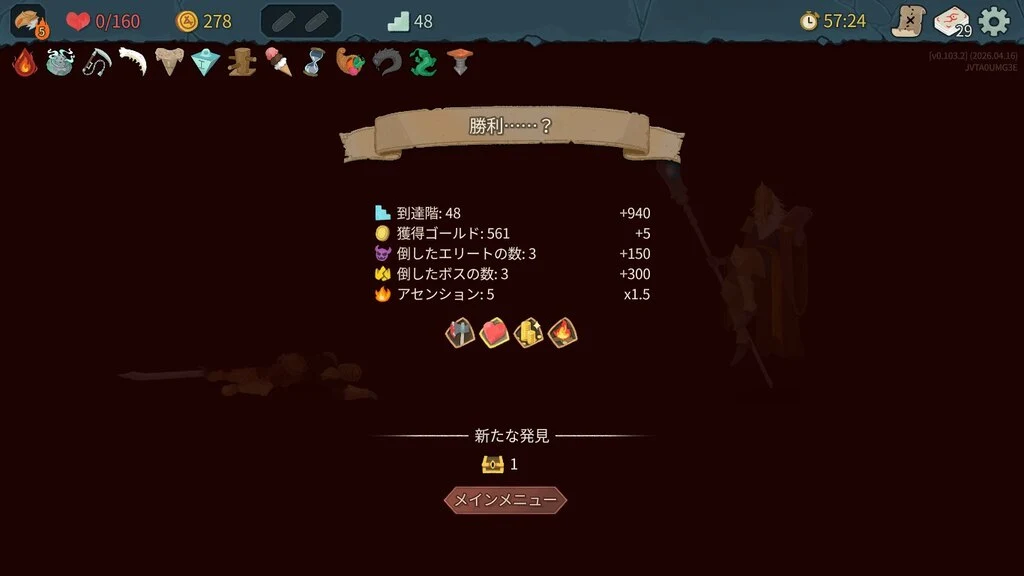
You can't skip levels, because each one is earned by winning at the level before it. That gives you a chance to learn one change before the next one arrives. Once a level is unlocked, it stays unlocked, and every lower level remains available to pick, so you can drop back down to practice.
Progress doesn't carry between characters. Unlocking Ascension 5 with the Ironclad does nothing for the Silent, which still needs its own Act 3 win before it can start at Ascension 1. Each character plays differently, so the early fights and deck choices you need to learn are different for each one anyway.
Why Ascension Levels Stack Instead of Replacing Each Other
Each Ascension level keeps every change from the levels before it. A run at Ascension 4 has the effects of levels 1 through 4 active at the same time, so the early changes never go away. That's why a level that looks minor on paper can still change how a run feels.
The changes also hit different parts of the run. The early levels mostly affect your route, your rewards and your money. The middle levels push on how you build your deck, and the top levels change how you handle the toughest fights. By Ascension 10, all three layers are working together.
Ascension 1 to 3: More Elites, Weaker Healing and Less Gold
Ascension 1, Swarming Elites, is the mildest step, because Elites are fights you'd often want anyway. They drop Relics, the items that give lasting bonuses to your run, so more Elites means more chances to build a stronger deck. The real cost is that each one is a tougher fight, so seek them out when your health and deck can handle it.
Ascension 2, Weary Traveler, is where healing starts to matter. The Ancients, the special characters you meet in a run, only heal you partly, and that includes Neow, the Ancient you meet at the start of every run. Rest Sites, the stops where you heal or upgrade a card, become more valuable, so each upgrade costs you a heal you might have needed. If you're playing the Ironclad, its passive healing starts to pay off at this level.
Ascension 3, Poverty, tightens your money. With less Gold coming in, removing a card at the Merchant becomes a real decision, and Events that take a card out of your deck are worth more. Upgrades also stop being an easy yes in Act 2, so each choice carries more weight.
Ascension 4 to 6: Fewer Potions, a Starting Curse and Costlier Card Removal
Ascension 4, Tight Belt, means you carry one less Potion. Because you run out sooner, a Potion is best used to end a fight a turn earlier and save health right away, rather than being saved for a big boss fight. Elites are an obvious place to use one, and a Fire Potion is a good example.
Ascension 5, Ascender's Bane, puts a Curse card in your deck before your first fight. That Curse stays with you for the whole run, so you need a plan for it. Extra card draw helps you dig past it, and keeping your deck focused makes the rest of your cards count for more.
Ascension 6, Inflation, makes card removal at the Merchant expensive. The first removal is usually still worth buying, but the price climbs fast after that, so removal starts to feel like a Relic-level purchase. That pushes you to look for cards with Exhaust, which take themselves out of a fight once played, as a way to thin your deck without paying the Merchant.
Ascension 7 to 9: Rarer Cards and Tougher Enemies
Ascension 7, Scarcity, makes the good cards harder to find. Rare and upgraded cards show up less often, including as fight rewards and in the Merchant's stock. Build early on strong foundation cards and leave the bigger plans for later Acts. Retain, the keyword that keeps a card in your hand for the next turn, becomes more useful because it helps the cards you already have stay in play.
Ascension 8, Tough Enemies, makes every enemy take longer to beat. That gives Block and survivability more value, and it punishes decks with uneven damage. A build needs either a damage plan that grows over the fight or a way to deal a big burst in one turn, or the enemies will grow stronger faster than you do.
Ascension 9, Deadly Enemies, makes every enemy attack hit harder. Elite fights become a real decision, and you should usually only take them near full health. Protect your health total, because the swings from each attack are larger than before, and the idea of spending health freely stops working as well.
Ascension 10: Why the Double Boss Changes Your Plan
Ascension 10, Double Boss, adds a second boss to the end of Act 3. The key detail is that effects that build up during a fight start over between the two bosses, so a deck that relies on one explosive turn won't hold up. You need an engine that can rebuild its damage quickly after the first boss. Cards like The Scythe are especially valuable at this level.
Ascension 10 also sits on top of the other nine levels, so the finale tests your whole deck along with your last fight. A deck that barely survives the first boss can still lose the second. Plan for it from the middle of Act 2 onward, save at least one strong Potion for the Act 3 finish, and know the enemies' attack patterns well enough to play the second fight without losing a beat.
How Multiplayer Ascension Works
Multiplayer runs use their own Ascension track, separate from solo progress. That track isn't tracked by character, so the whole lobby shares one set of levels. Solo unlocks don't carry over to multiplayer, and multiplayer progress doesn't count toward your solo characters either. Multiplayer supports up to four players.
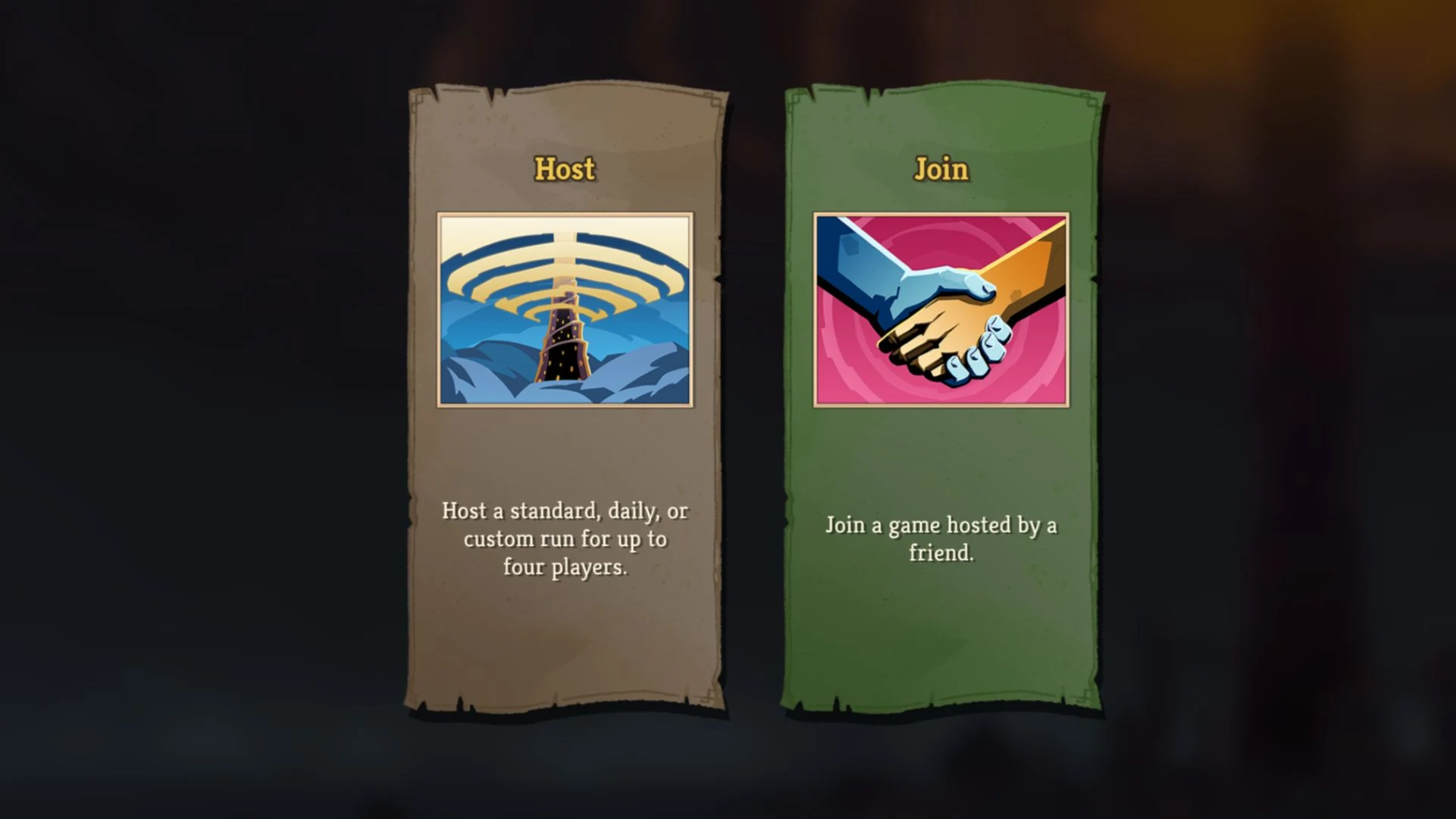
- The host chooses the level for the run.
- The lobby can only go as high as the lowest multiplayer maximum among its players.
- A winning multiplayer Ascension run unlocks the next multiplayer level for every player in that lobby.
Because the lobby is held to its lowest maximum, picking the level is a group decision. Choose the highest level your least consistent player can survive, not the one your strongest player wants to test. That keeps the run winnable for everyone, and a win is what moves the shared track forward.
Dread: The Mode Beyond Ascension 10
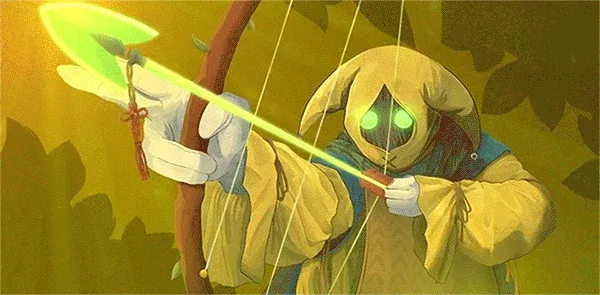
Dread sits past the top of the ladder. It arrived with patch v0.113.0, alongside The Fool, the sixth character in Slay the Spire 2. To unlock it, you need to reach Ascension 10 on every character, The Fool included.
Dread switches on every Ascension modifier at once. Bosses are stronger and buff all enemies in their act, and Curses pile up as you climb the Spire. The mode is built around the idea that death is expected, so think of it as a test of how far you can push a run.
The patch didn't change the ten Ascension levels. Each level still does what it did before, and Dread is a separate mode on top of them, with every modifier turned on together.