


A good cozy Roblox game gives you a small job and lets you decide how long to stay. These 12 picks cover quick garden loops, full farm building, crop processing, bee collecting, horse care, island expansion, and a few farming-adjacent games for players who would rather restore a place than manage a harvest.
1. Grow a Garden
Grow a Garden has the cleanest first-session loop here. Buy seeds, plant them in your plot, wait for them to grow, then harvest and sell. The short cycle makes it easy to understand within minutes, while offline growth gives you a reason to check back later.
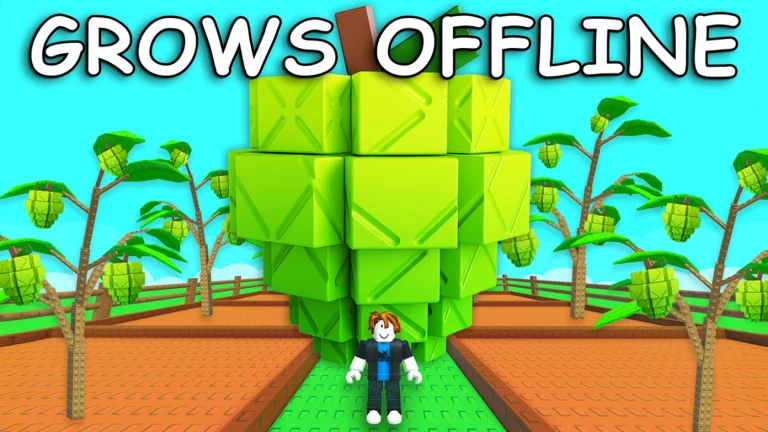
It is the best starting point if you want gardening without a long tutorial or a large list of systems to learn. Events, pets, and the busy player population can make the game feel more active than its gentle premise suggests, but the basic plot loop remains quick and solo-friendly.
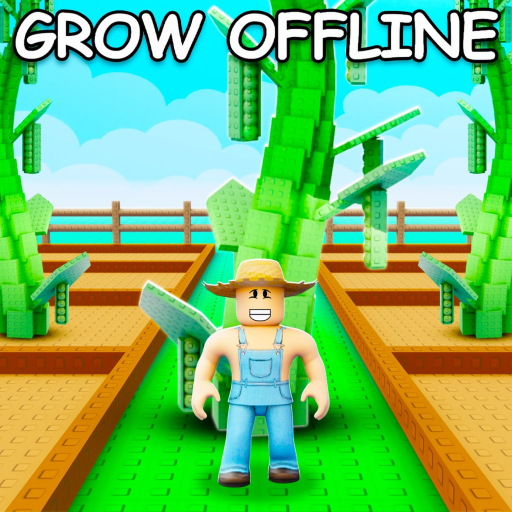
Grow a Garden
2. Islands
Islands starts with crops and quickly grows into a wider sandbox. You can build up your island, raise animals, sell what you produce, cook, craft, gather resources, and explore other content. Farming gives the world a practical center, while building gives you a reason to keep rearranging the space.
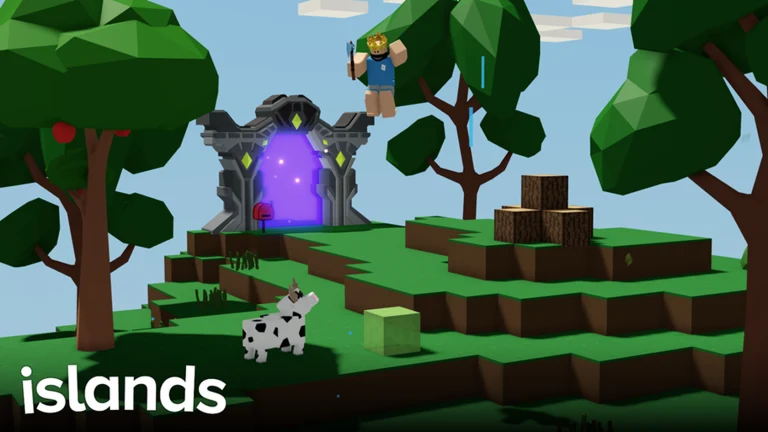
That breadth is the appeal and the catch. A player looking for only quiet planting may find the crafting and combat systems distracting, including monster and boss content. Choose Islands when you want a farm that can turn into a larger personal island project.
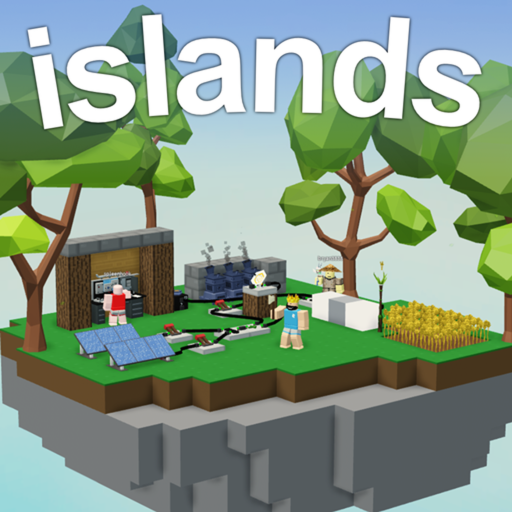
Islands
3. Farming and Friends
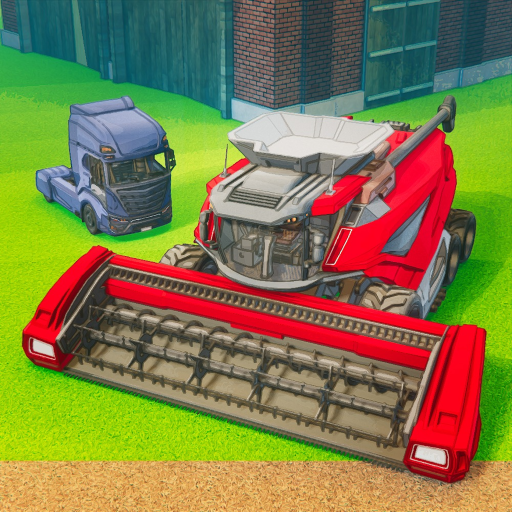
Farming and Friends makes the tractor the star of the farm. Work crop fields, care for animals, add buildings, and expand your plot while a friend works nearby. Shared plots give the game an easy social rhythm, especially when one player wants to handle crops and another wants to drive around the farm.
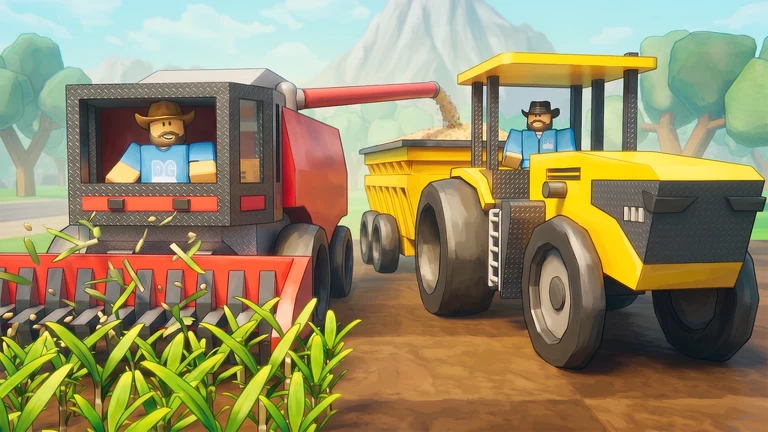
The progression is simple, which helps the game stay approachable. It does not offer the deep production planning of a larger farming sim, but that is part of its charm. Open it when you want recognizable farm chores and a shared plot without a heavy management layer.
Farming and Friends
4. My Moo Farm
My Moo Farm gives farming a satisfying production chain. Grow crops, raise cows, collect milk, turn it into flavored milk and cakes, sell the goods, then use the money to upgrade and expand. Each step gives the next harvest a job, so the farm feels more purposeful than a simple grow-and-sell loop.
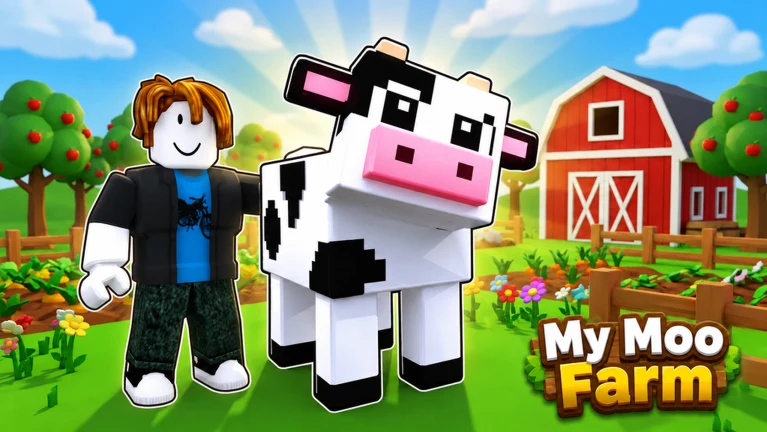
The cow theme keeps the presentation light, while the processing chain gives players something to plan. It is a newer game, so its long-term depth is less established than Bee Swarm Simulator or Islands. Still, it is an easy recommendation for anyone who likes seeing raw farm materials become products.
My Moo Farm
5. Bee Swarm Simulator
Bee Swarm Simulator swaps crop fields for flower fields. Collect bees, gather pollen, convert it into honey, complete bear quests, and unlock more of the map. The collection loop is easy to start and gives every new bee or quest a clear purpose.
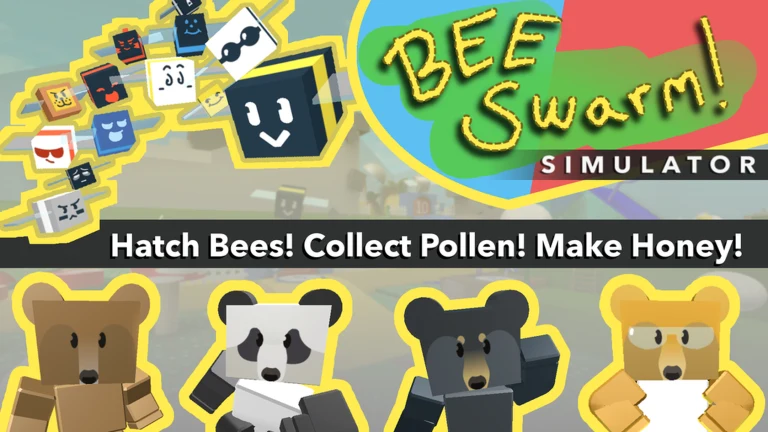
This is farming-adjacent rather than peaceful gardening. You will grind for upgrades, explore, and fight bugs, so it suits players who want a longer progression chase with a nature theme. If you want a quiet plot and little pressure, Grow a Garden is a better fit.
Bee Swarm Simulator
6. Farmstead
Farmstead is the traditional farm-builder pick. Develop a plot with crops and animals, add décor, learn skills, take quests, and unlock new regions. Offline growth and co-building make it comfortable for players who want a farm that keeps moving between visits.
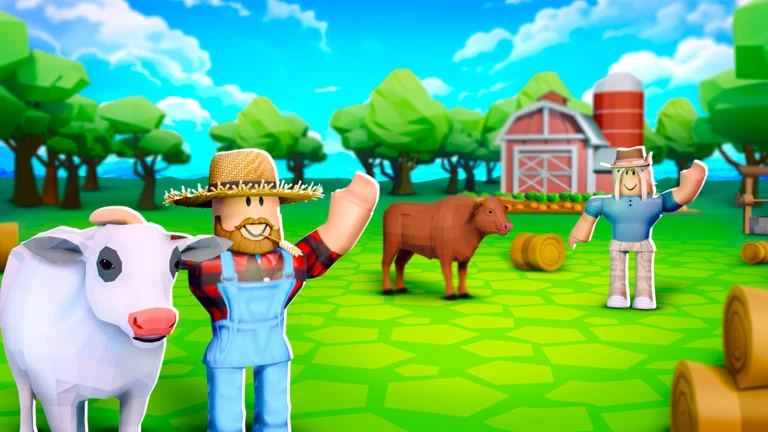
The game has the right mix of decorating and routine work, but its live activity was low in the checked snapshot. That does not erase the appeal of the systems, though it does matter if you want a crowded multiplayer world. Try it for the slower farm-building structure, not for a guaranteed busy server.
Farmstead
7. Welcome to Farmtown!
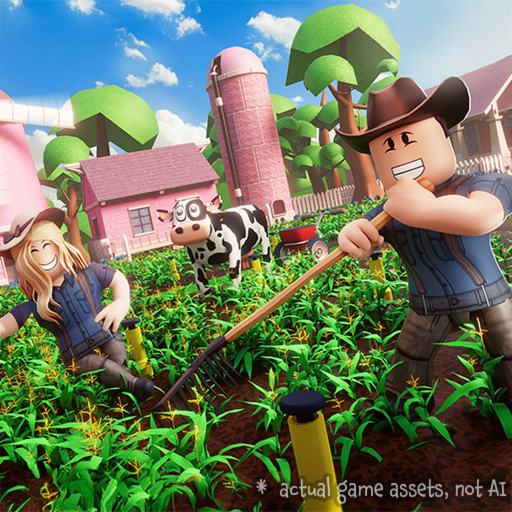
Welcome to Farmtown! treats farming as part of a wider rural life sim. Grow and harvest crops, raise animals, decorate your home, mine, craft, take jobs, and explore with friends. There is always another kind of work to try when the field chores lose their shine.
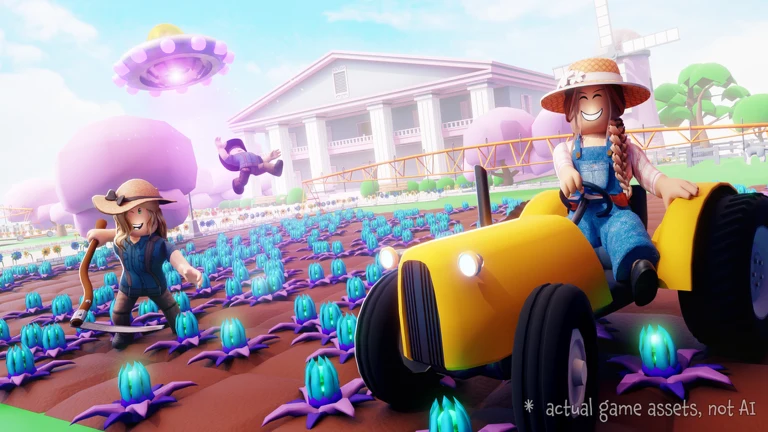
Its broad scope makes it a good fit for players who want a town routine rather than a single upgrade track. The checked live-activity signal was very low, so multiplayer may feel quiet. That caveat is worth accepting only if the rural sandbox itself sounds more important than finding a full server.
Welcome to Farmtown!
8. Wild Horse Islands
Wild Horse Islands earns its place through animal care rather than crops. Capture horses, care for them, train and customize them, trade, gather resources, and explore the islands on horseback. The ranching loop gives the game a strong collecting goal without pretending to be a farm simulator.
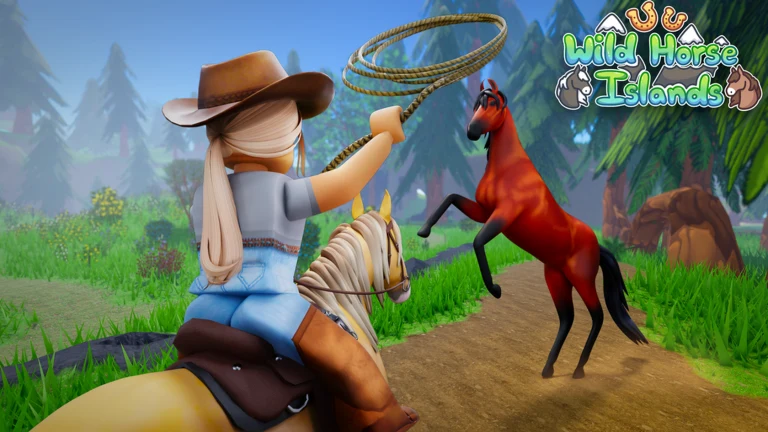
Horse fans will get more from this than players looking for planting and selling. The exploration gives each new horse a reason to matter, while care and customization make the collection feel personal. Think of it as a ranch and animal-care game with a cozy outdoor pace.

Wild Horse Islands
9. Garden Horizons
Garden Horizons is a newer garden-first alternative built around planting, tending, and harvesting. Weather and crop mutations add uncertainty to the plot, while gear, expansion, and a flora diary give you reasons to keep checking what grows next.
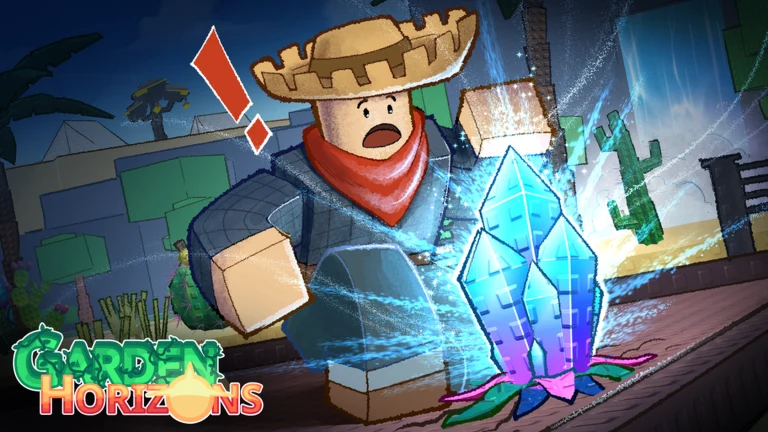
The design sits close to Grow a Garden, so the choice is about the extra systems rather than a wholly different genre. Garden Horizons is in active development and its official description warns of rough edges. That makes it a good pick for players happy to try a newer garden game while its systems are still taking shape.
Garden Horizons
10. Build An Island!
Build An Island! turns farm progress into island expansion. Gather resources, grow crops, export goods, hire workers, and let offline work push the island forward while you are away. The point is watching a small starting space become a more capable settlement.
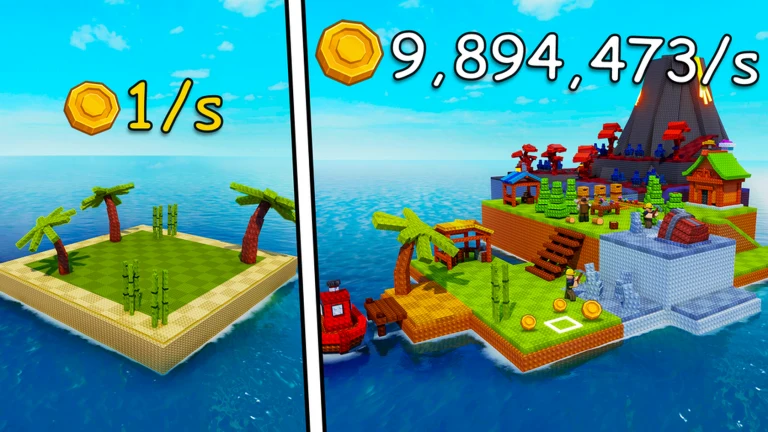
It overlaps with Islands, but the emphasis is different. Islands is the broader sandbox for building, cooking, crafting, and exploration. Build An Island! is more focused on workers, exports, and incremental expansion, which suits players who enjoy seeing automation take over routine tasks.