

Most Roblox games let two people join the same server. The better question is whether the game gives you something to do together. I looked for experiences where one person changes the other person’s options: seeing for them, pulling them up, controlling the brakes, building the same project, or simply making a bad decision funny.
These are the 19 Roblox games I would actually put in front of a couple, starting with the most genuinely two-player ideas and widening out into relaxed games you can keep playing after the first attempt.
1. Tell Me!
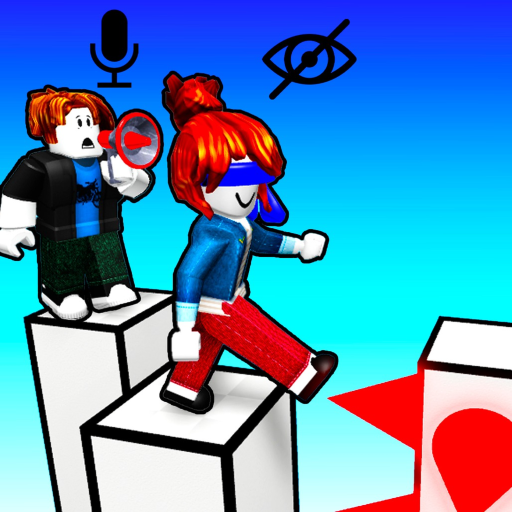
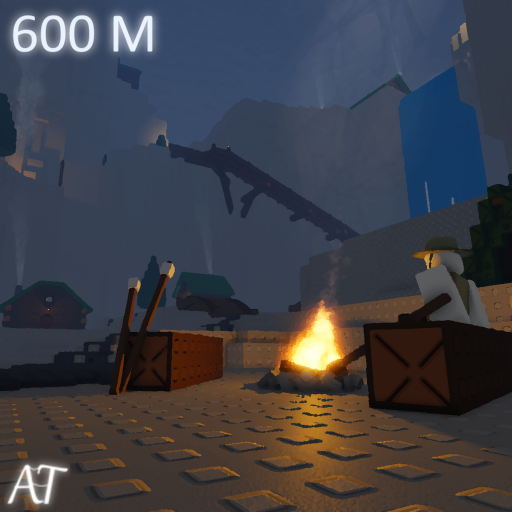
Tell Me! turns communication into the entire challenge. One player can see the route but cannot move, while the other can move but is blind. You have to describe platforms, hazards, and timing clearly enough for the person holding the controls to make the climb.
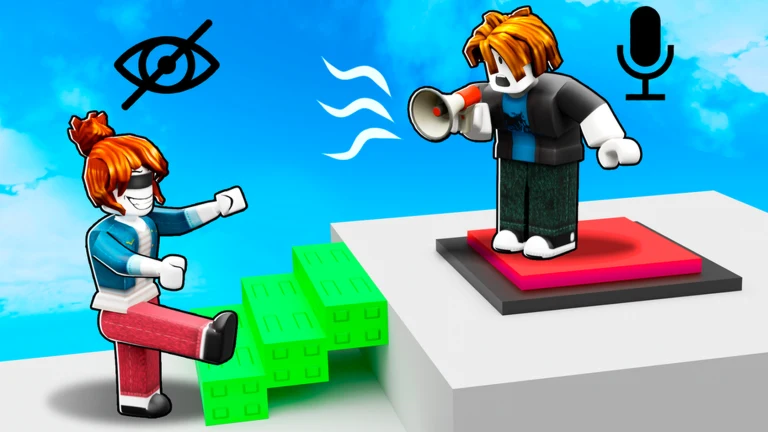
This is the one I would open first if the point is to see whether a game can actually make two people work together. It is simple to understand, but not always easy to communicate. “Go left” is not helpful when there are three ledges and a moving obstacle in view, so the game rewards a pair that can stay calm and be specific. The official experience advertises a climb up to 600 m, which gives the idea room to become properly tense.
Tell Me!
2. Just the Two of Us
Just the Two of Us is built around a wonderfully strict idea: every server is capped at two players. You enter a quiet world with one other person, explore, look for puzzles, and see what kind of little adventure the experience has prepared for you.
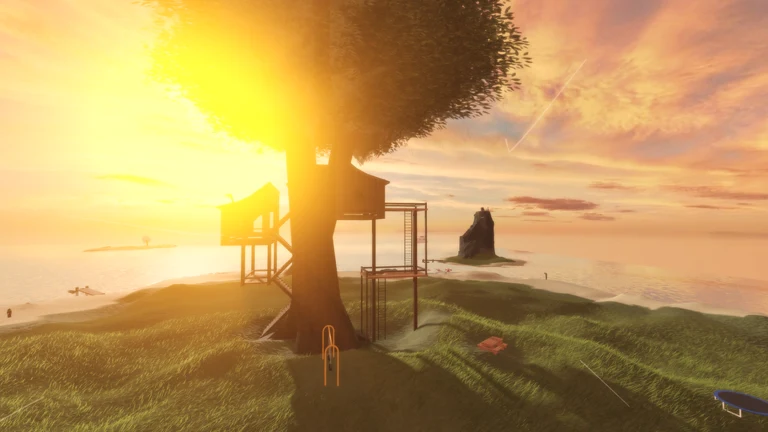
The lack of a crowd changes the mood immediately. This is not a public obby where other players keep rushing past; the space belongs to the two people in it. It is still marked as beta, so I would approach it as a small atmospheric discovery rather than a finished story game. If Tell Me! tests how well you communicate, Just the Two of Us is more interested in what the two of you notice and decide to do in the same place.
Just the Two of Us
3. Draw Together!
Draw Together! gives each person a job that feels completely different. One player draws a path through the level while the other erases obstacles, opening routes and fixing mistakes so the artist can keep moving.
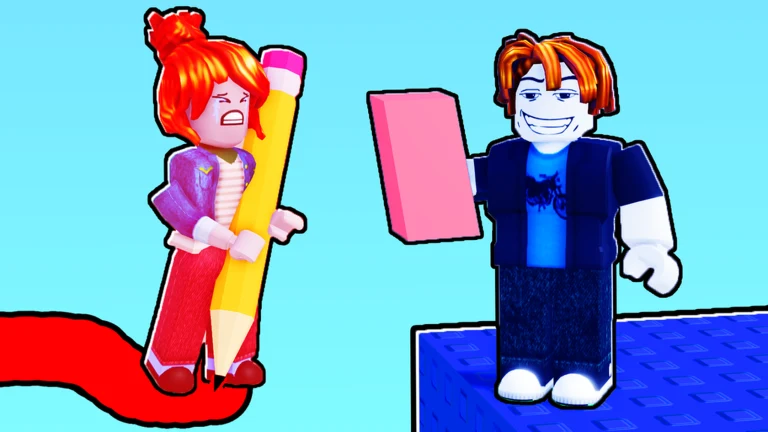
I like this one because both players shape the course as they go. One person draws the route, the other edits the obstacles, and camera positioning matters when the drawing gets awkward. It is also one of the newer ideas in this list, which makes it a more interesting recommendation than another rope-climbing clone. The official page warns that bugs may still appear and that more worlds are coming, so expect a work in progress with a genuinely good central idea.
Draw Together!
4. Staying Together
Staying Together makes distance the problem. It is a two-player obstacle-course and puzzle game where both players need to stay close enough to complete tasks, so even a simple jump can turn into a timing decision for the pair.
That gives the game a nice compact identity. You are not waiting for a partner to catch up, and you are not solving separate lanes in parallel; your spacing is part of the solution. It came from a game-jam project, and it has that focused quality where one mechanic carries the whole experience. Choose it when you want something shorter and more purposeful than a huge public map.
Staying Together
5. Pull a Friend
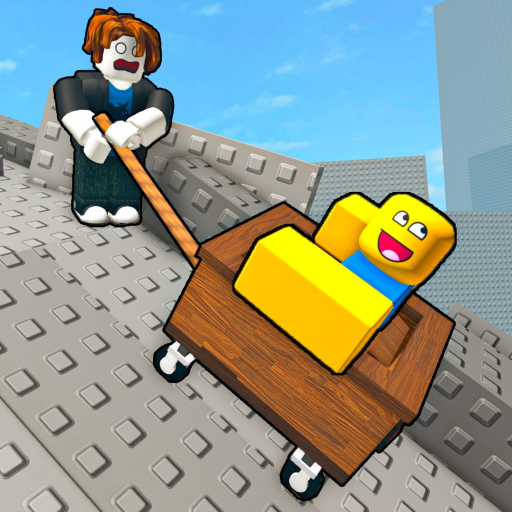
Pull a Friend puts two people in one cart and splits the control. One player steers while the other handles the brakes, and the pair has to get through obstacles without turning every corner into a crash.
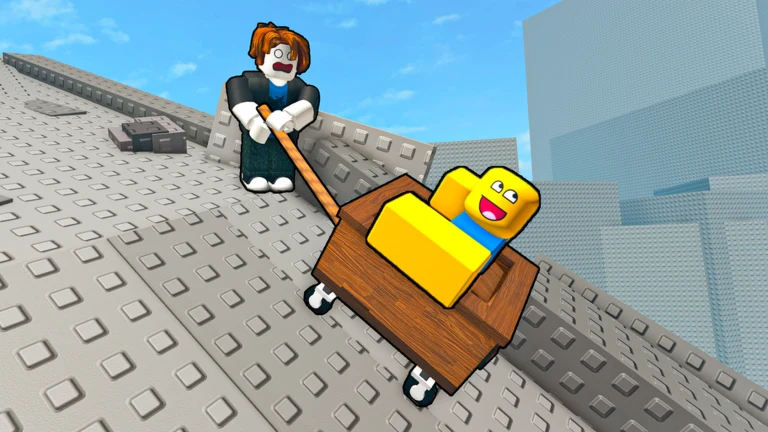
The beauty of the setup is that neither person is just along for the ride. Steering decides where the cart goes, braking decides whether it can survive the approach, and the two jobs have to agree. There are checkpoints and cart skins to give the course a little persistence, but the main appeal is still the shared physics. It is accessible enough to start quickly, though the obstacles will eventually make the couple negotiate whose fault that last fall was.
Pull a Friend
6. Chained Together
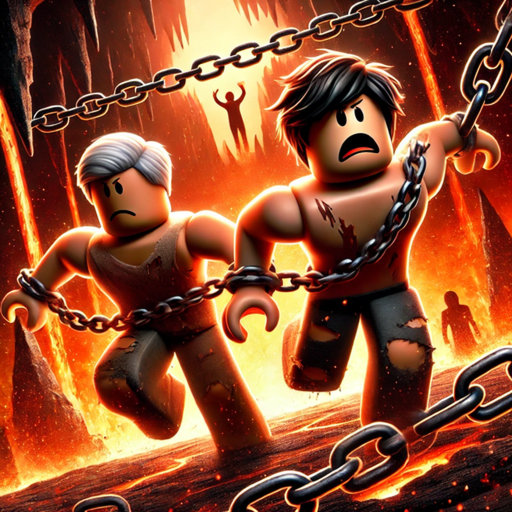
Chained Together is the clearest “we are both responsible for this fall” game on the list. The players are linked while they climb, and when one person slips, the other can sometimes pull them back up instead of watching the whole run disappear.
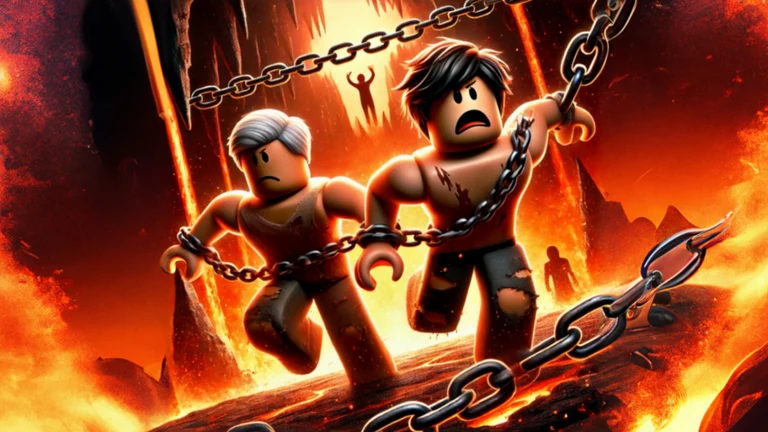
The movement is straightforward—jump, climb, sprint, roll, recover—but the chain makes every action shared. It also supports two to five players, so this is a good choice if the couple wants to start alone and invite friends later. It is difficult, and a late fall can be genuinely painful after a good climb. That is why it works: the game gives you a clear reason to keep trying, then gives you a story about the mistake when you finally fail.
Chained Together
7. Carry Me!
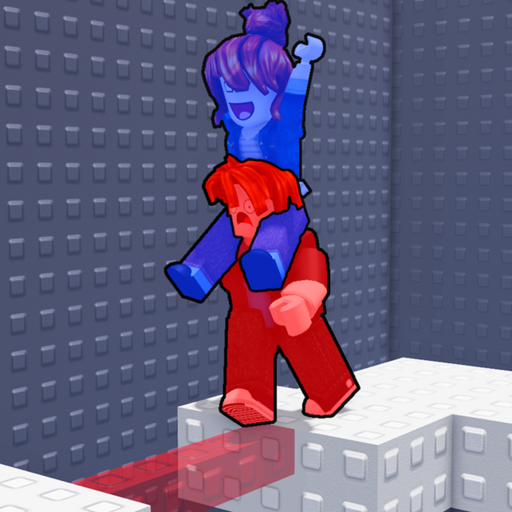
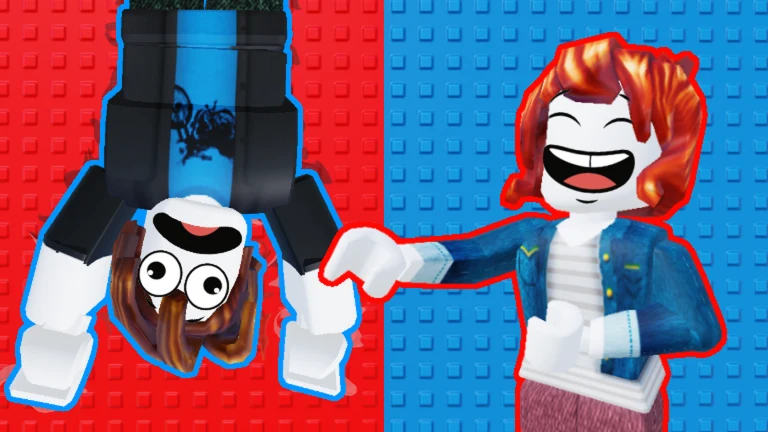
Carry Me! gives the pair more ways to move than a normal obby. You can pick up your partner, throw them across a gap, jump, dive, and climb through a course that gets progressively less forgiving.
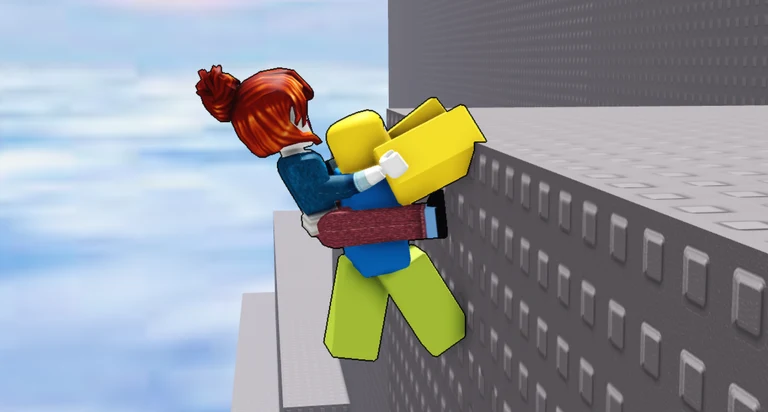
The pickup-and-throw mechanic is what keeps it from feeling like a basic side-by-side climb. A section can become a discussion about who should go first, where the throw should land, and whether it is worth attempting the risky shortcut again. The creator describes the game as painful and rage-inducing, which is fair warning. I would choose this for a couple that enjoys laughing at a bad attempt and trying one more time, not for a calm first game of the evening.
Carry Me!
8. Altitorture
Altitorture attaches the pair with an elastic rope and drops them into a deep climb. The rope is the real game: it changes your momentum, how far apart you can safely move, and whether one person’s landing helps or hurts the other.
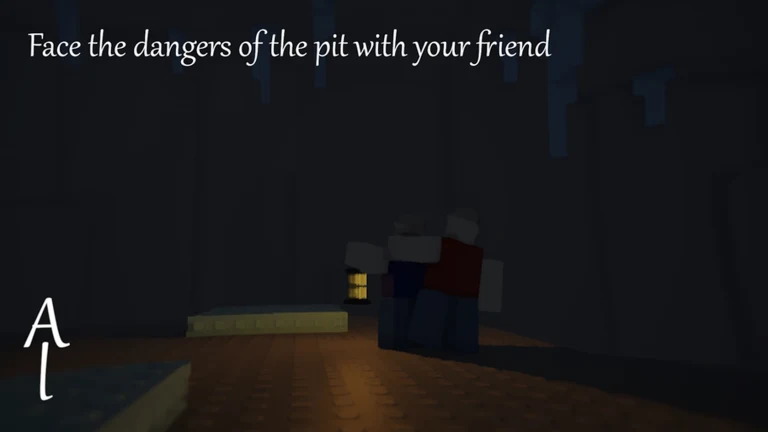
There is a learning curve before the pair stops fighting the rope and starts using it. That is also where the good moments come from. One player can create the momentum needed for the other to reach a ledge, but a bad swing can send both people backward. Altitorture is a strong pick when Chained Together sounds right but you want the partner-link itself to be the main physics puzzle.
Altitorture
9. Anti-Gravity
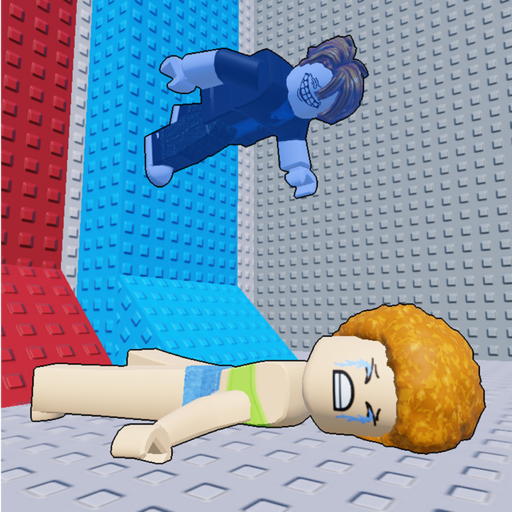
Anti-Gravity changes the climb by letting the pair walk on walls and go upside down. Instead of reading every obstacle as a normal platforming problem, you have to learn which surfaces can become the route and how to move through a space that no longer behaves like a floor.
The official page estimates a 30–60 minute run, but the real length will depend on how quickly the two of you stop treating the walls like decoration. That movement hook is enough to make Anti-Gravity worth keeping near the top of a couple list. The strange thumbnail points to a real movement system, so the recommendation has something solid underneath its gimmick.
Anti-Gravity
10. Short and Tall
Short and Tall uses a simpler kind of asymmetry. One player is short and the other is tall, and the pair uses those different sizes to get through the obby together.
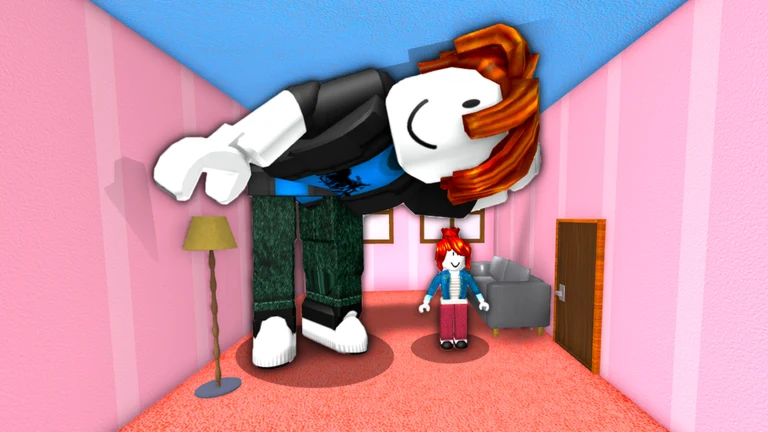
I like it as a change of pace after the rope and gravity games. The roles are easy to understand, the tone is lighter, and the official page lists a second world. It is not as mechanically demanding as Tell Me! or as chaotic as Carry Me!, but that is useful if one person is new to Roblox obbies. Think of it as a friendly teamwork game with a clear gimmick, not a huge progression system.