

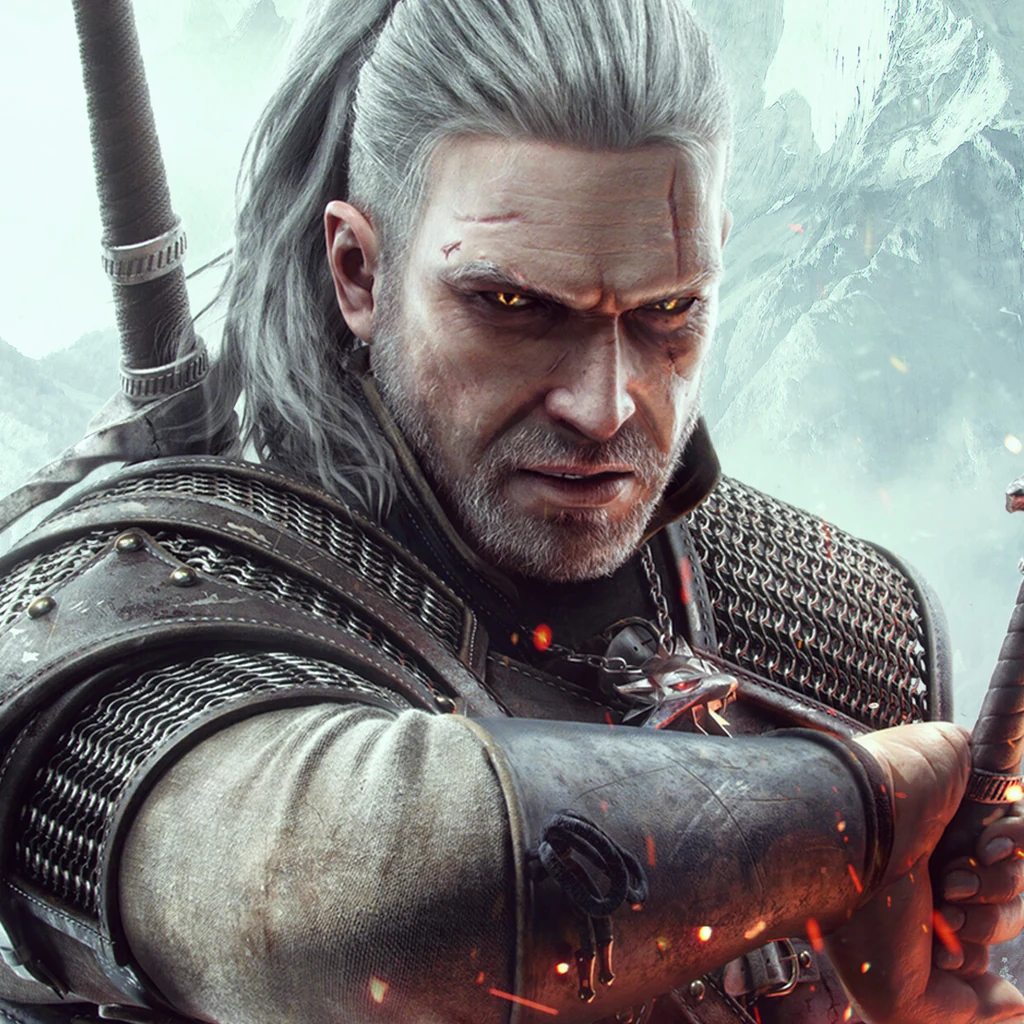
The Witcher 3: Wild Hunt is an open-world role-playing game in which you play Geralt of Rivia, a witcher. A witcher is a monster slayer for hire, and your main work is taking contracts, which are jobs from people who need a monster dealt with. You hunt those monsters across a large open world that keeps moving, with a day and night cycle and changing weather. Running underneath all of this is a bigger goal: you search for Ciri, your adopted daughter, before the Wild Hunt, a band of ghostly riders, reaches her.
You ride Roach, Geralt's horse, toward a quest, a hunt or a spot you want to explore. Witcher Senses highlights clues and nearby loot as you go, and the things you pick up often serve a purpose later. When a fight starts, you rely on swords, Signs (magic spells), bombs and potions, and each one suits a different situation. Between fights, you craft and upgrade gear at blacksmiths and armourers, brew from the ingredients you collect, and can play Gwent, the card game.
Quests and hunts earn experience and gold, which you spend on skills and equipment that shape how Geralt fights. Your choices change the story and the game world. Hearts of Stone and Blood and Wine add more content, with Blood and Wine opening up the new region of Toussaint, and both are included in the Remastered version.
- Developer
- CD PROJEKT RED
- Publisher
- CD PROJEKT
- Release
- Nintendo Switch: 2019-10-15 · PS5 and Xbox Series X|S: 2022-12-14 · Worldwide (PC, PS4, Xbox One): 2015-05-19 · Remastered update (PC, PS5, Xbox Series X|S, Nintendo Switch 2): 2026-09-29
- Platforms
- PC, PlayStation 5, Xbox Series X|S, Nintendo Switch 2, PlayStation 4, Xbox One, Nintendo Switch
Game data
Monsters
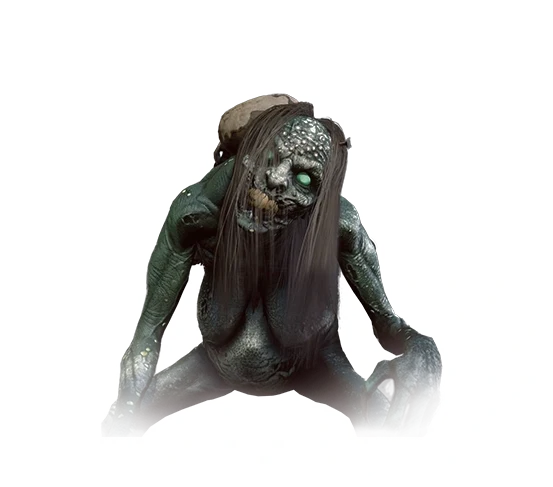
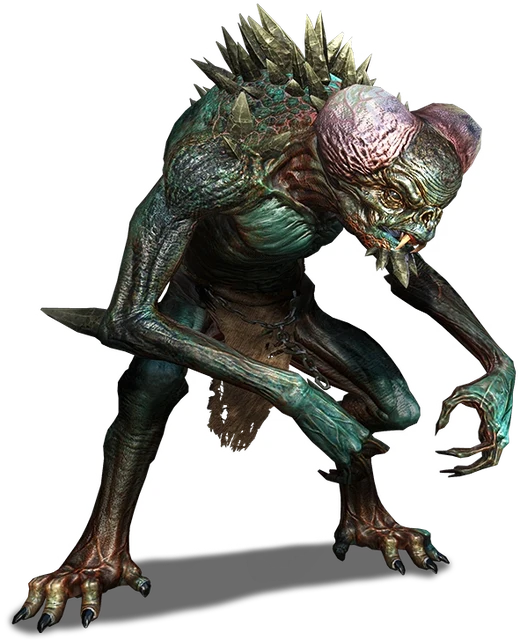
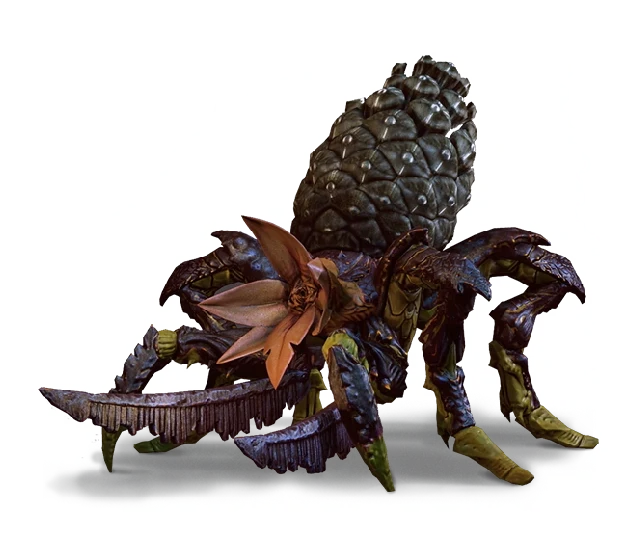
Monsters are the creatures Geralt can fight in The Witcher 3: Wild Hunt, from wolves and wyverns to vampires and specters. Each one has a bestiary entry that unlocks when Geralt reads a book, talks to someone, or fights it. Most monsters take extra damage from a matching oil, and many also respond to Signs, bombs or potions. Some come from the Blood and Wine and Hearts of Stone expansions rather than the base game.
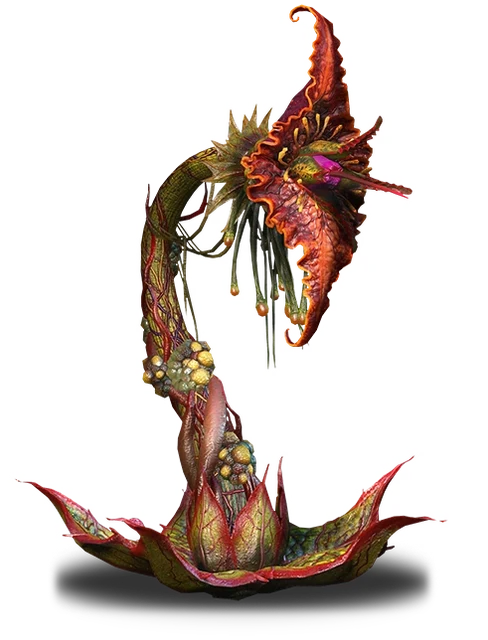
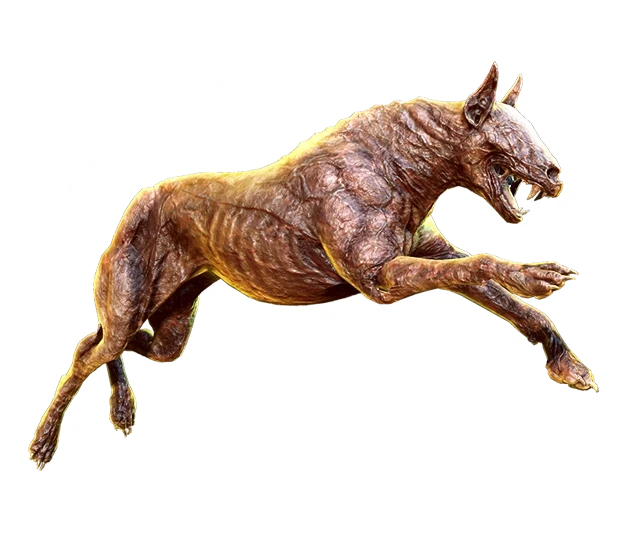
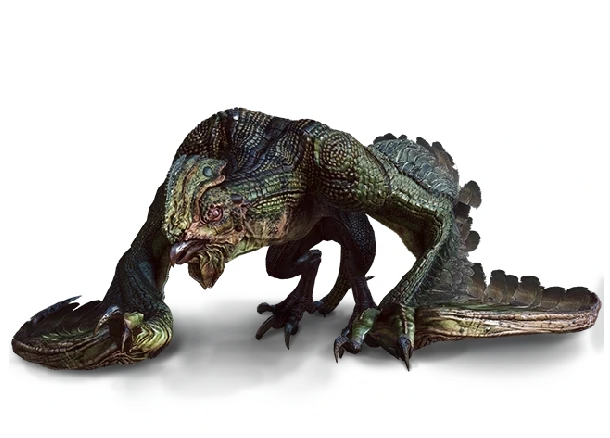
Witcher Gear Sets
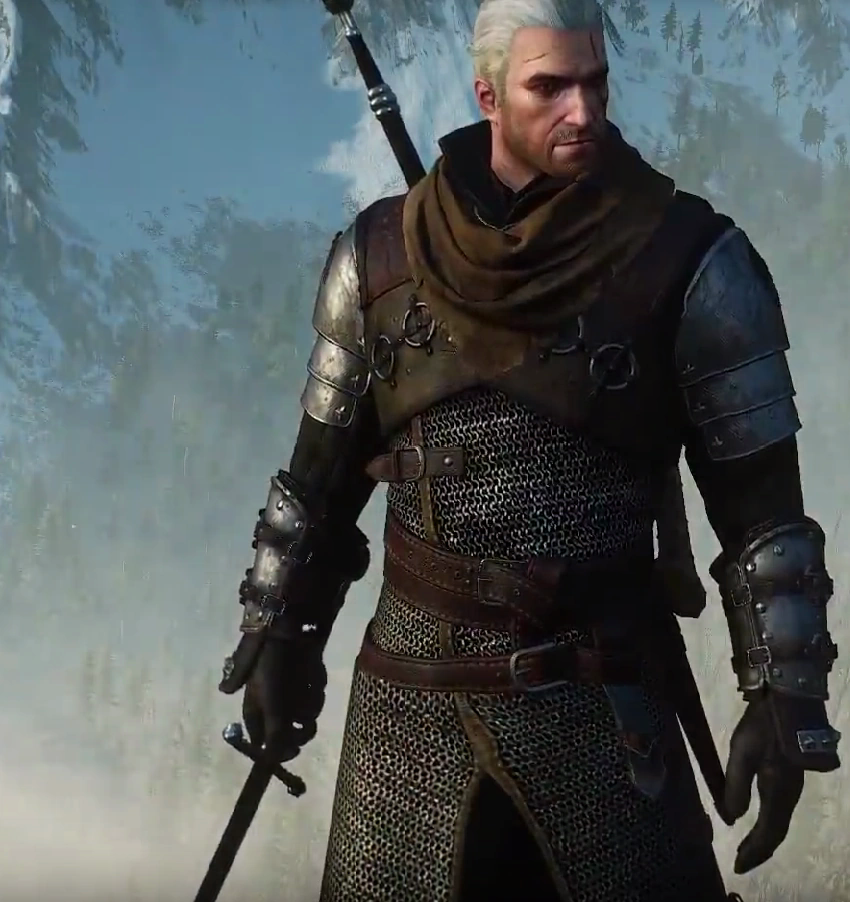
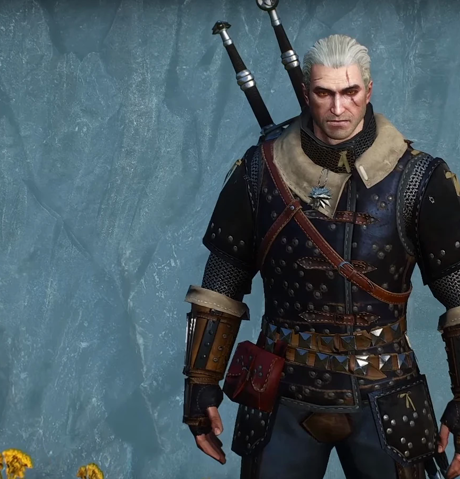
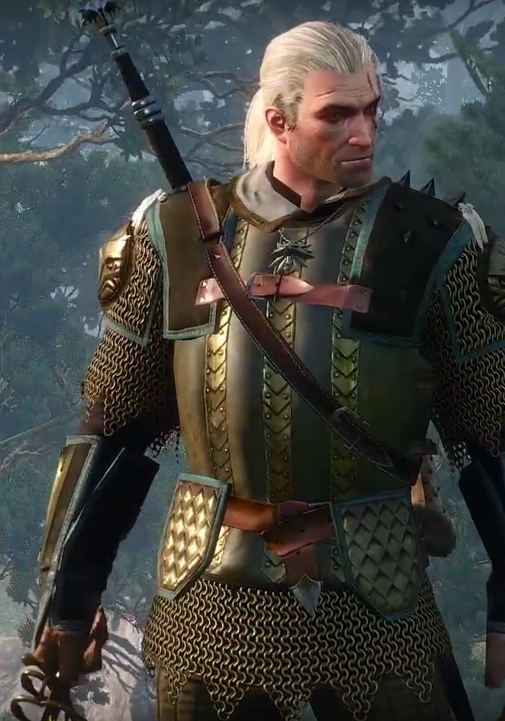
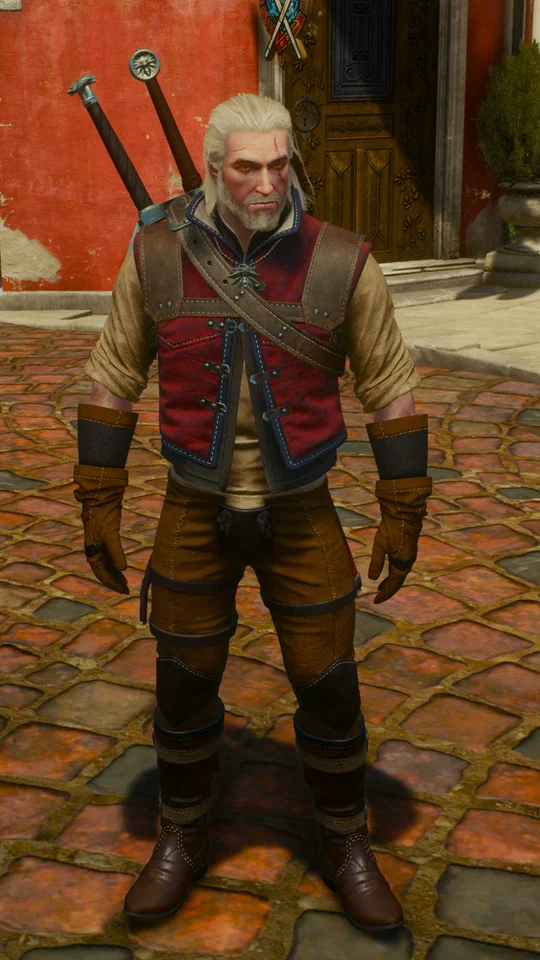
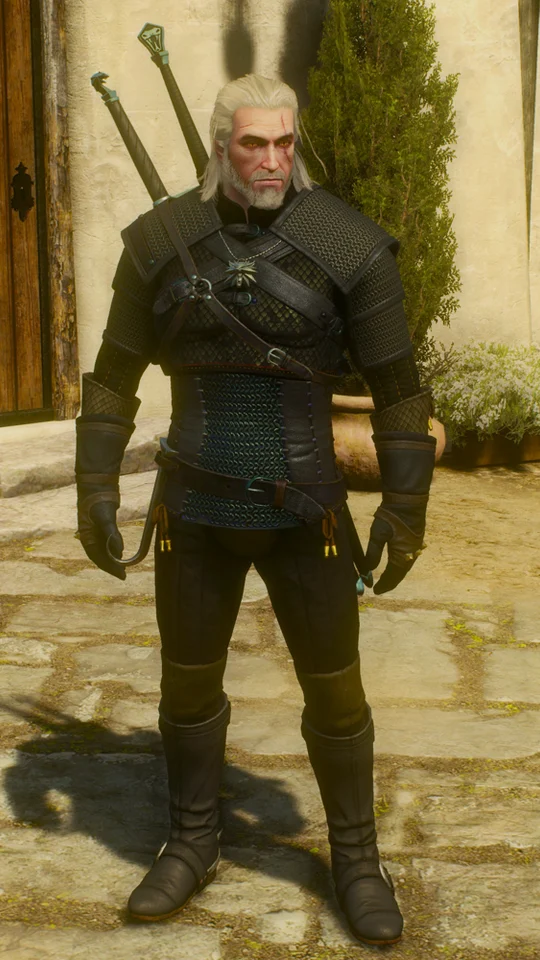
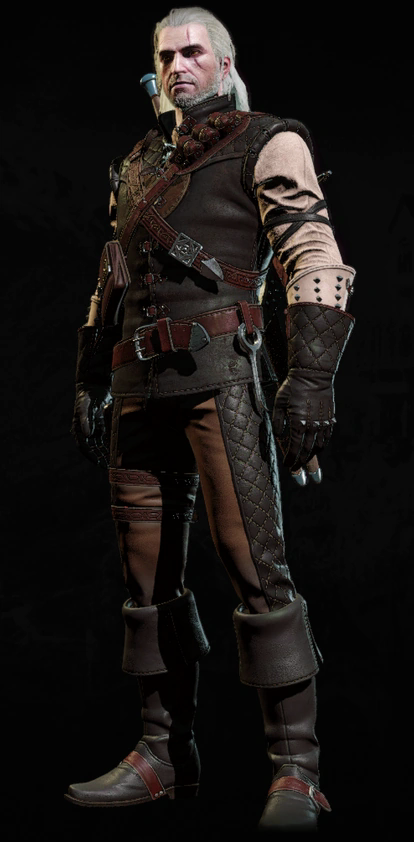
Witcher gear sets are school-themed armor and weapons that players can craft in The Witcher 3: Wild Hunt. Each set includes chest armor, gauntlets, trousers, boots and two swords, and wearing matching pieces together unlocks set bonuses. Sets come in light, medium and heavy weights and upgrade through several tiers, with Grandmaster as the top. Each piece is crafted from a diagram found through quests, loot or purchase.
Collectibles
Gwent Cards
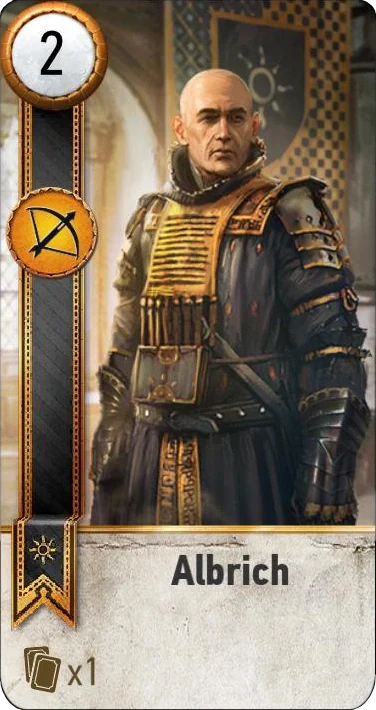
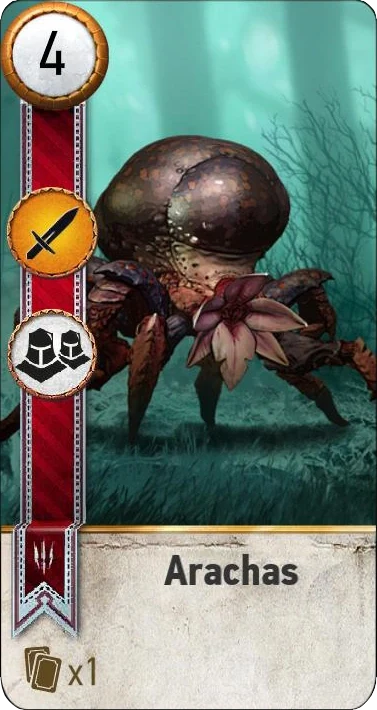
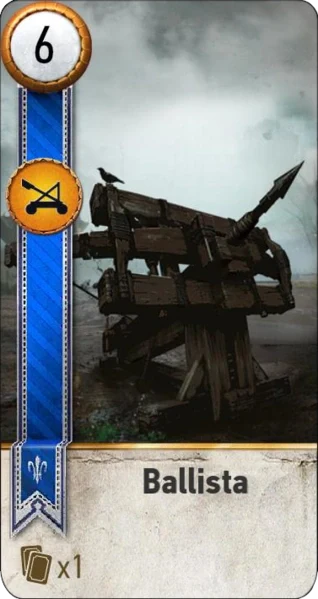
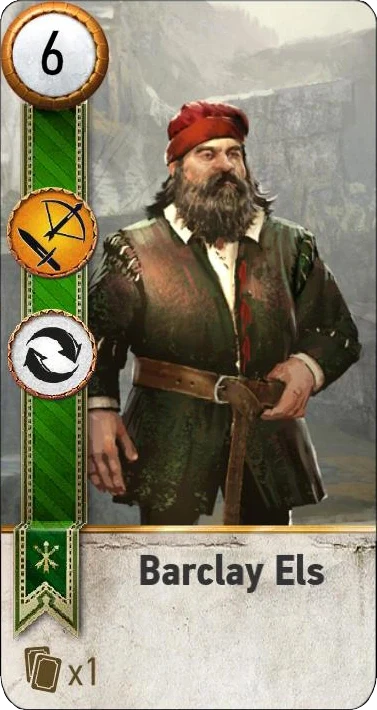
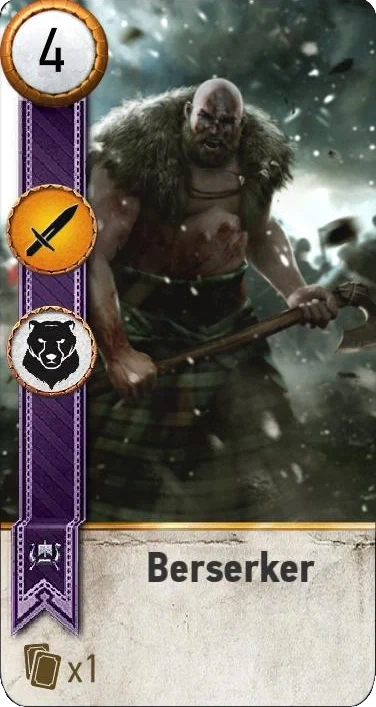
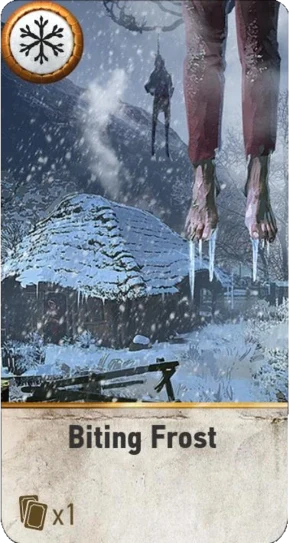
Gwent cards are the cards used in Gwent, the card game built into The Witcher 3: Wild Hunt. They're sorted into the Northern Realms, Nilfgaardian Empire, Scoia'tael, Monsters, Skellige and Neutral decks, and they include unit cards, hero cards, leader cards, special cards and weather cards. Players get them from starting decks, merchants, Gwent players, quests and the world, and some can only be won once, so they're worth tracking.
The Witcher 3 Controls
| Action | Desktop | Console |
|---|---|---|
| Break off a fight (hold dodge, then press sprint) | Hold Alt, then press Left Shift | PlayStation: hold ○, then press X. Xbox: hold B, then press A |
The Witcher 3 gameplay tips
Match your oil to the monster. Before you head out to hunt a monster, apply the oil that suits its type to your sword. Most oils are aimed at a particular type of enemy, so a good match matters more than a random pick. Keep a few in your inventory, since you never know when a dangerous foe will turn up.
Use Exploding Shield to make Quen hit back. Quen is your protective shield, and this skill turns it into a field that hurts attackers and can knock them down. That way the shield protects you while it damages enemies, and patch 5.01 also added damage reflection to it.
Break off a fight that's going badly. The Remastered made disengaging quicker, so the move is easier to pull off. If your vitality drops too low and you can't recover in time, running away lets you live to fight another day.
Plan your skill points before spending them. The Remastered reset every skill point, so you spend them again in the new tree. Each skill has three ranks, and some need other skills unlocked first. Check those links before you commit points, so you don't spend them on a skill you can't unlock yet.
Reforge gear to change how it looks. Reforge is new in the Remastered and changes how gear looks without changing its stats, so you can keep a strong item and still wear it your way. Yoana and Hattori are the only master craftsmen who offer it. Add equipment and crafting diagrams to your inventory to unlock more looks, and Blood and Wine dyes carry over to reforged gear.
Use the Bard's Ballad preset if the game feels like too much. It's an accessibility preset that simplifies some mechanics to ease mental fatigue. Start a new game on the Just the Story difficulty, or turn it on later under Settings, then Accessibility. You can also switch on single options such as Infinite Breath or Unlimited Item Durability, so you keep only the help you want.