

In Grim Dawn, a dark fantasy action RPG, you fight through Cairn, a ruined world caught in a war between two otherworldly powers, the Aetherials and the Chthonians. You control one hero, move through monster-filled areas, and fight whatever gets in your way. The loot from those fights gives you better gear, which you need to survive the tougher enemies ahead. You can play alone or team up with up to three friends.
Your build is the other half of that strength. At level 2 you pick a first Mastery, which works like a class with its own skills, and at level 10 you add a second to make a dual-class hero. Recipes you find let you craft stronger items from salvaged parts, and restoring shrines earns Devotion points for a star map of passive bonuses. Together, these choices are what make each hero feel different.
What you work toward is a hero strong enough for the harder difficulties. Normal is open from the start, Elite opens once you beat the base game's final boss on Normal, and Ultimate opens once you beat it again on Elite. Your standing with each faction matters too, since helping one group brings rewards like faction gear and bounties, but it can turn its rivals hostile. Level 100 heroes on Ultimate can also switch on Ascendant Mode, a tougher endgame that comes with the Fangs of Asterkarn expansion.
- Developer
- Crate Entertainment
- Publisher
- Crate Entertainment
- Release
- PC full release: 2016-02-25 · Xbox Definitive Edition: 2021-12-03
- Platforms
- Windows, Xbox One, Xbox Series X|S
Game data
Masteries
Masteries are the character classes in Grim Dawn, and they set how your hero fights, which skills you can use, and which weapons work best. They're spread across the base game and three expansions. You pick your first at level 2 and can add a second at level 10 to form a dual-class build. Once chosen, a mastery can't be swapped out, so choose with care.


Devotion Constellations
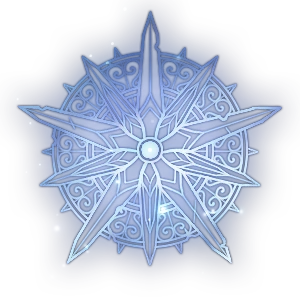
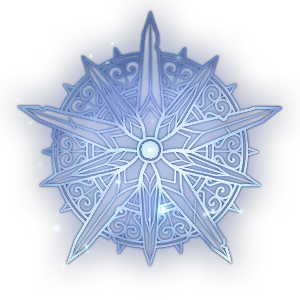
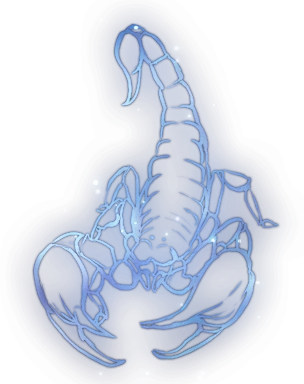
Devotion constellations are the star maps of Grim Dawn's Devotion system, which adds Celestial Powers on top of your skills. You earn Devotion Points by restoring shrines and spend them on the stars of each constellation. Crossroads is the only constellation you start with, and it provides the affinity that opens the rest of the map. Constellations are grouped by distance from Crossroads: the farther out they sit, the more affinity they cost and the stronger their bonuses, though the outermost ones return no affinity at all.
Factions
Factions are the groups that fight over Cairn, including survivors, soldiers, cults, and invaders. Each one tracks your standing: friendly factions reward you with gear, augments, and bounties as your reputation grows, while hostile ones send more foes after you and eventually Nemesis bosses. Many factions are rivals, so backing one can cost you standing with another.


Nemesis Bosses
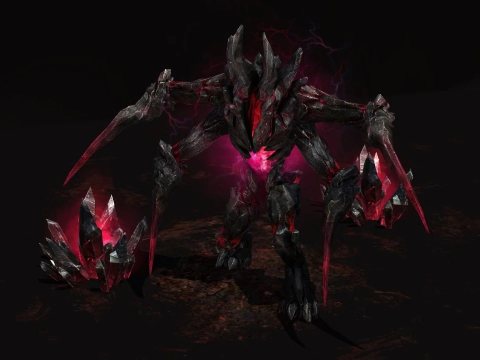
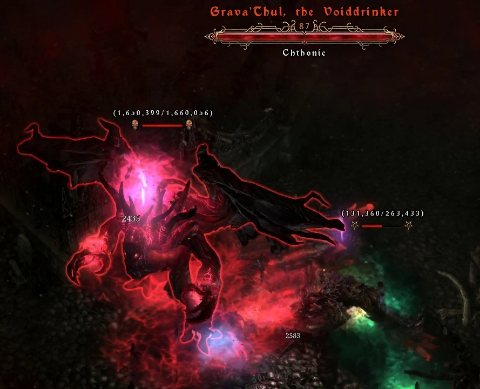
Nemesis bosses are the rarest and toughest enemies in Grim Dawn, spread across the base game and three expansions. Each one belongs to a hostile faction and can appear once you reach Nemesis status with that faction. They spawn at random near you as you kill that faction's monsters, and defeating one gives a very high chance of an Epic item.




Grim Dawn gameplay tips
- Think hard about your first Mastery. Your first pick sets the tone for the whole run, and a Mastery can't be swapped out later.
- Use the Spirit Guide to test builds early. You can reset skill and Devotion points there, and the cost starts low and rises with each reset, so experimenting is cheapest at the start.
- Set the loot filter to Rare+ once you're past the early game. It hides the white and yellow drops, so your inventory stays focused on gear that matters.
- Check secret rooms and remote corners for chests. Hidden rooms hold higher-tier chests, and the exalted chests in side areas guarantee an Epic, once per character on each difficulty.
- Save a few attribute points for the last 5 to 10 levels. Gear you find late may need a specific attribute, and held-back points let you match it.
- Use both Mastery slots on harder difficulties. A single class can get through Normal and Veteran, but a second Mastery adds attributes, health and skill combinations that matter on Elite and Ultimate.