
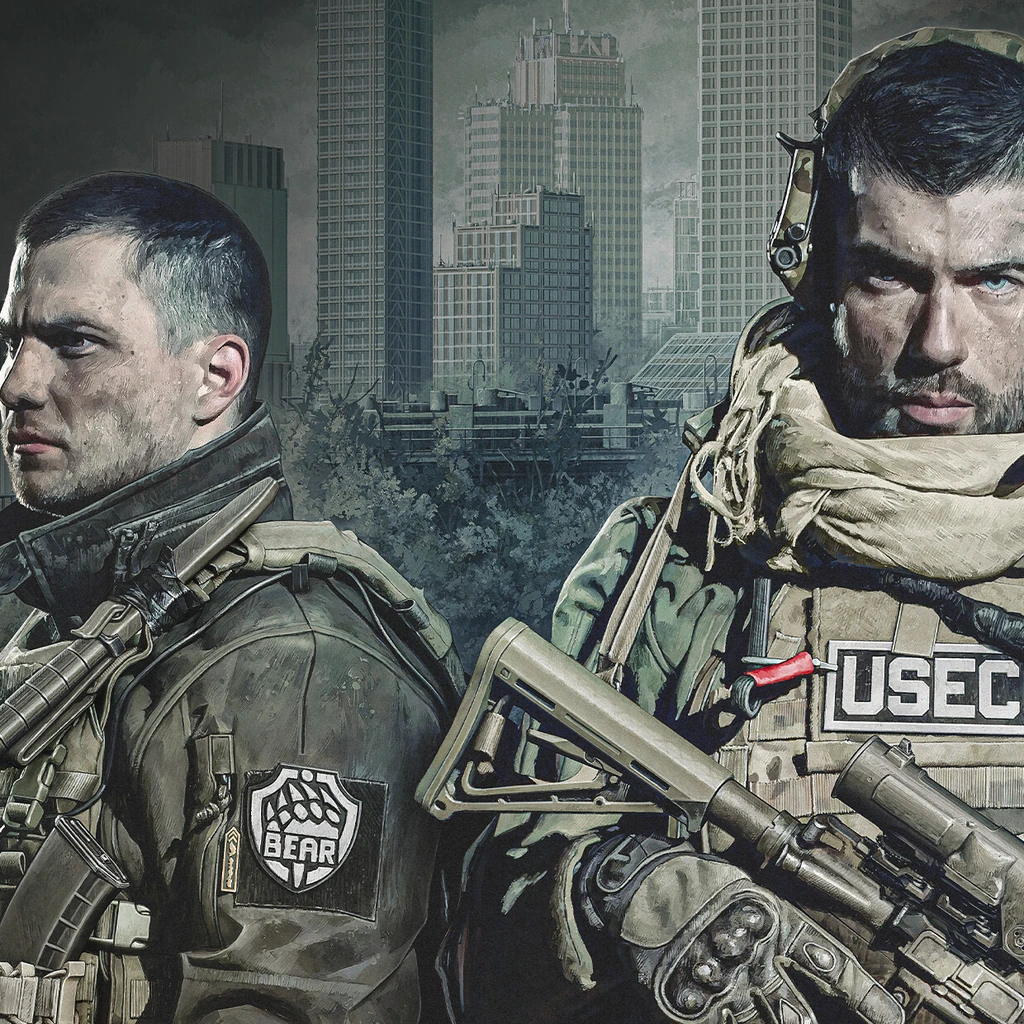
Escape from Tarkov is a realistic shooter for PC from Battlestate Games, set in the city of Tarkov and its suburbs. You can play as a hired soldier working for one of two private military companies, USEC or BEAR, or as a Scav, which gives you a random loadout and health state. Your character's condition matters too, with blood loss, hydration and exhaustion all in play, and your weapons can jam, overheat and wear out.
A single trip into the game is called a raid. You pick a map and time of day, bring gear from your stash (the storage that holds your belongings between raids), and insure it just before entering the lobby, so lost gear has a chance to come back to you later. In PvP, you search for loot, fight other players, Scavs and bosses, and make your way to an extraction zone before the raid timer runs out. What you extract with is yours to keep, but if you die or miss the exit, you lose most of what you carried, with a few exceptions.
Between raids, you trade with traders, complete quests, sell loot at the Flea Market and upgrade your Hideout, a bomb shelter you build up over time. The longer goal is to build your trader standing and grow your Hideout while keeping the gear you extract, so each raid starts from a stronger place.
- Developer
- Battlestate Games
- Publisher
- Battlestate Games
- Release
- Worldwide: 2025-11-15
- Platforms
- Windows
Game data
Quests
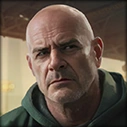
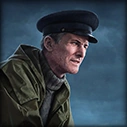
Quests are jobs that traders give players in Escape from Tarkov, and they're the fastest way to gain experience in the game. They pay out experience, trader reputation, money and rare containers, and they range from simple item hand-ins to kills, marking tasks and long multi-part storylines. Quest items picked up in a raid can't be sold or used, and you lose them if you don't get out with them. Many trader lines only open after a story chapter or another quest, so check the unlock before you start.


Ammo Types
Ammo types are the cartridges, flares and grenade rounds used across Escape from Tarkov's weapons, sorted into classes by the kind of gun they fit. Each round has its own damage, penetration and armor damage numbers, and together they decide how it performs against armor and unarmored targets. Rounds come from traders at set loyalty levels, from the Workbench in the hideout, or only as loot found during raids.


Bosses
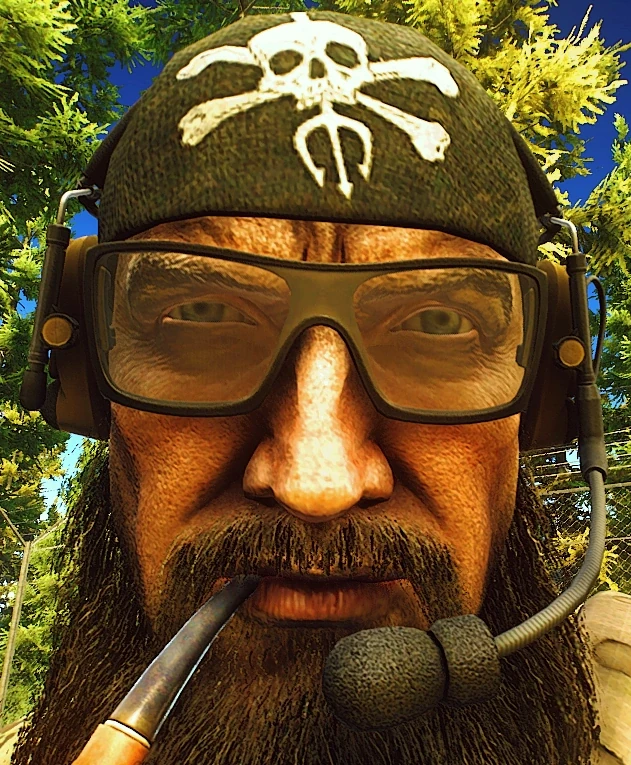
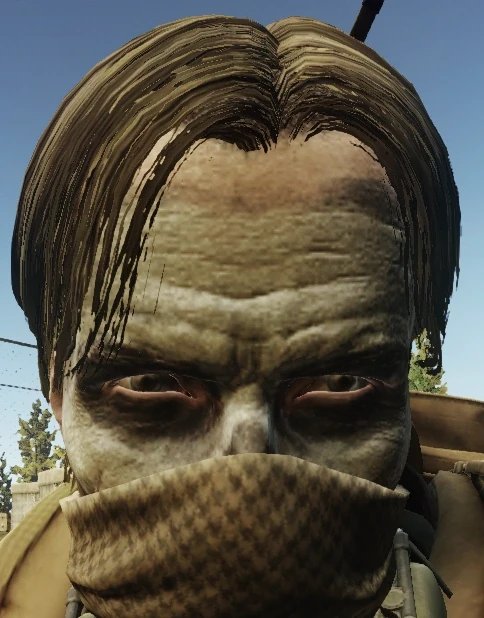
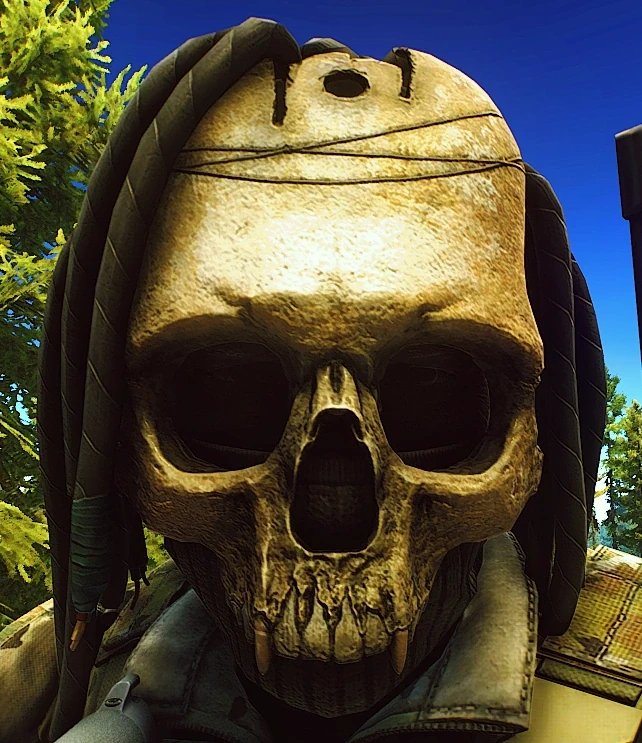
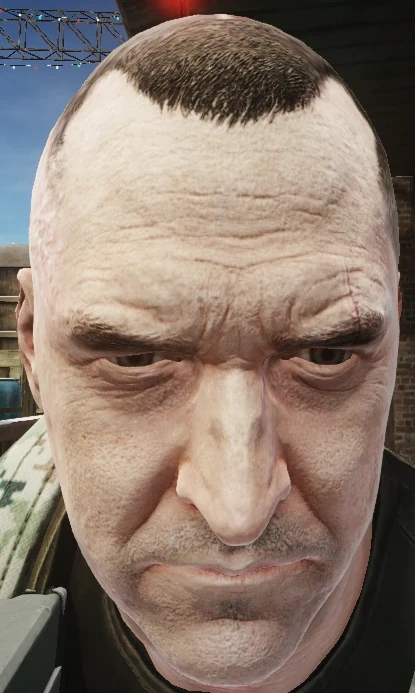
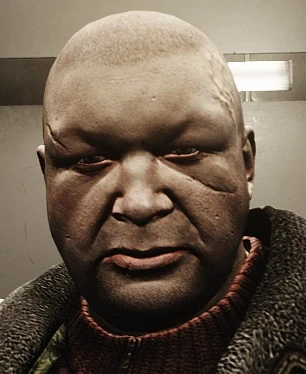
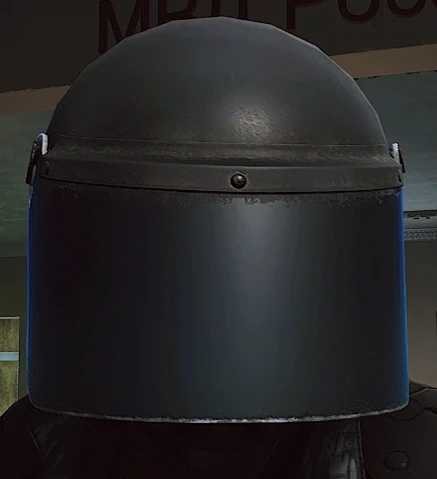
Bosses are named AI leaders who hold specific spots across Escape from Tarkov's maps, many with a guard squad and far more health than an ordinary player. Most spawn by chance at the start of a raid, while others belong to special locations or appear only at night or during events. Their keys, unique weapons and armor make many of them some of the most sought-after fights in the game.
Maps
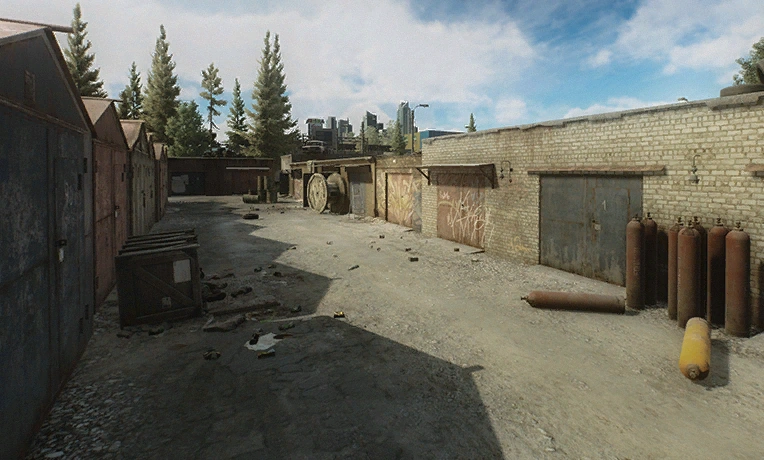
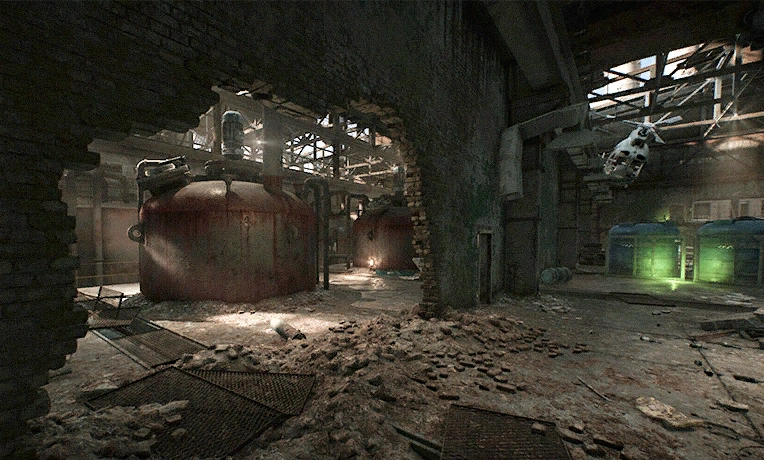
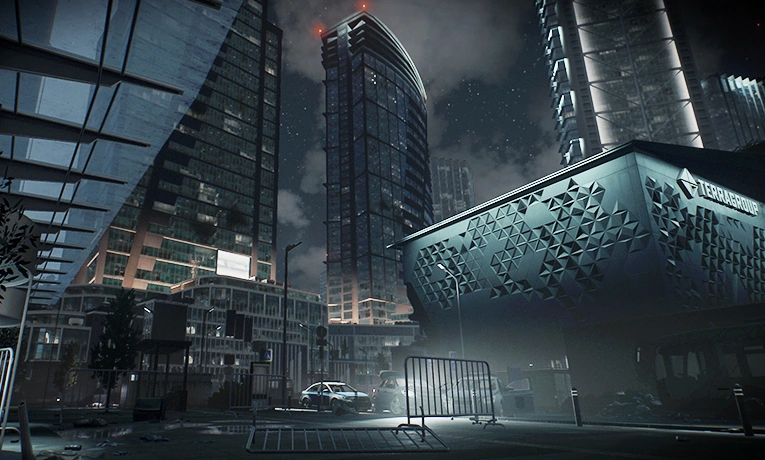
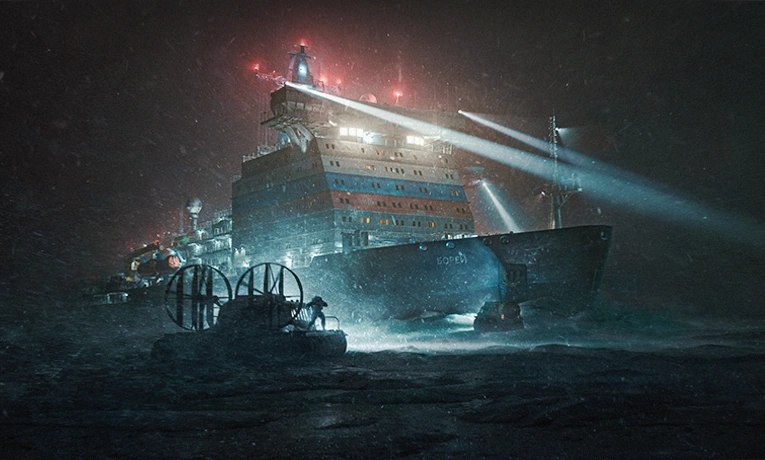
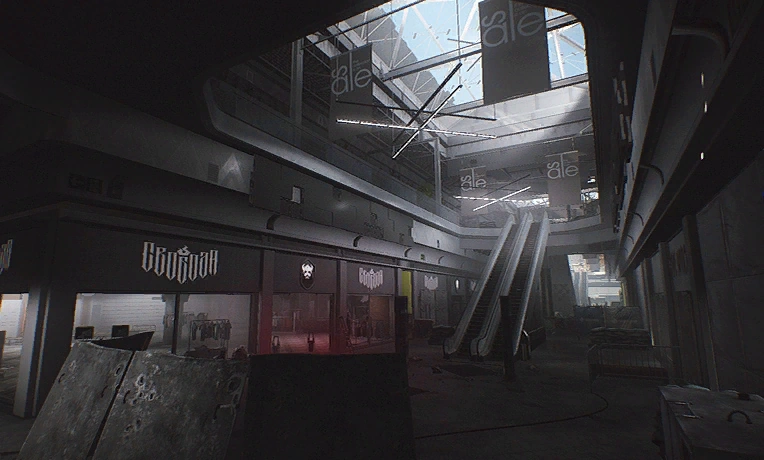
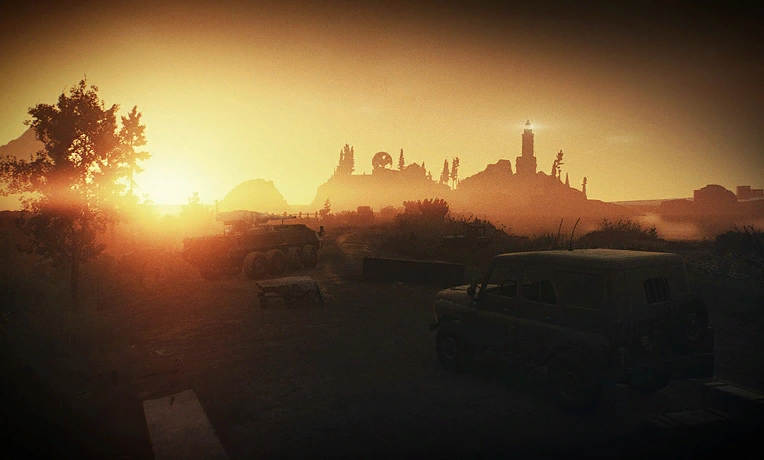
Maps are the raid locations of Escape from Tarkov, and every raid takes place on one of them. Most start locked and open as you move through the story and complete trader tasks, while Ground Zero is open from the start. Transits link maps so you can move between them during a raid, and a few maps also need a special item before you can enter.
Weapons
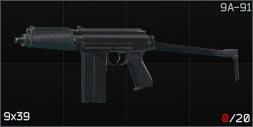
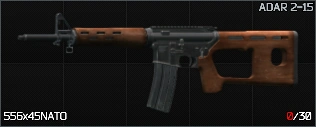
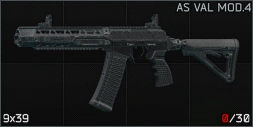
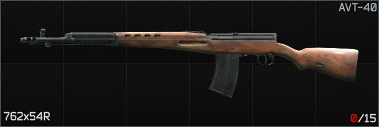
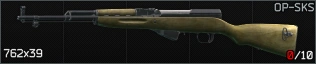
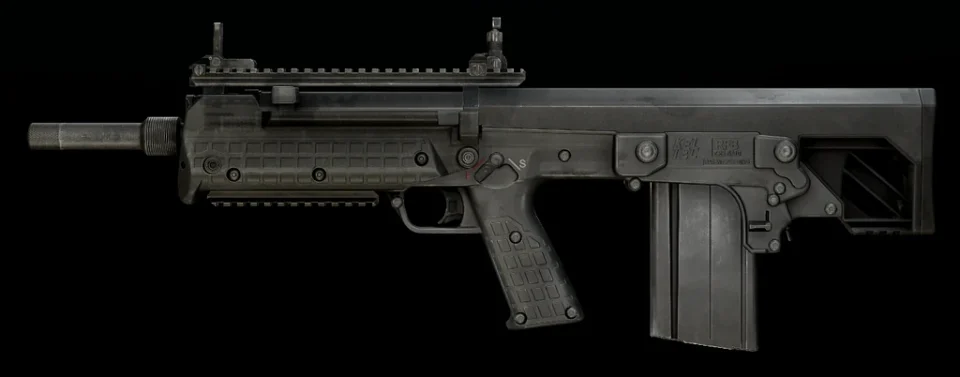
Escape from Tarkov's weapons include rifles, carbines, machine guns, submachine guns, shotguns, marksman and bolt-action rifles, pistols, revolvers, launchers, melee tools and grenades. Almost all firearms are fully modular, and attachments change handling stats such as recoil, accuracy and weight. Caliber and fire modes tell you what ammo a gun takes and how it shoots, and since damage comes from the bullet itself, the ammo you load plays a big role. Some weapons are sold by traders at set loyalty levels, while others come from other sources, such as loot found during raids.
Traders
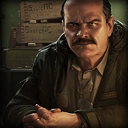
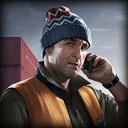
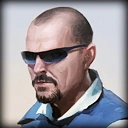
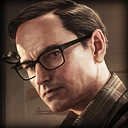
Traders are the characters who run the shops in Escape from Tarkov, where players buy and sell gear, trade items through barter and use services like insurance, repairs and healing. Most sit in the Trading menu between raids, while Lightkeeper and BTR Driver appear only during raids and offer paid support and rides. Most traders have four loyalty levels that rise with a player's PMC level and reputation, while Fence's standing follows Scav karma instead.


Escape from Tarkov gameplay tips
- Run Practice mode before you risk real gear. It lets you explore locations, test weapons, and tweak AI settings or turn bosses on and off, and it saves no progress. You can leave early with no penalty, which makes it a safe place to learn a map.
- Check the raid timer and extraction zones before you drop in. Raid length varies a lot: Factory runs 20 minutes by day and 25 at night, while Icebreaker runs 50. The full list of extraction zones is available in-game, so you can plan a route to one before the clock runs out.
- Keep your most valuable items in a secure container. When you die or run out of time, the contents of your secure container are one of the few things you keep. The Kappa is the largest, with 12 slots, and it comes from the Collector quest, so it's a worthwhile goal.
- Use Scav runs to take on more risk. Dying as a Scav costs nothing from your main character, and if you get out alive, the loot goes to your main stash. That lets you try riskier routes or test ideas without putting your main character's gear on the line.
- Retreat as soon as a Border Sniper targets you. Taking cover doesn't help against them, so leaving at once is the safest move.
- Complete trader quests to build standing. Standing with a trader lowers the commission they take and unlocks more offers. Every trade you make with them then costs less and gives you more choice.