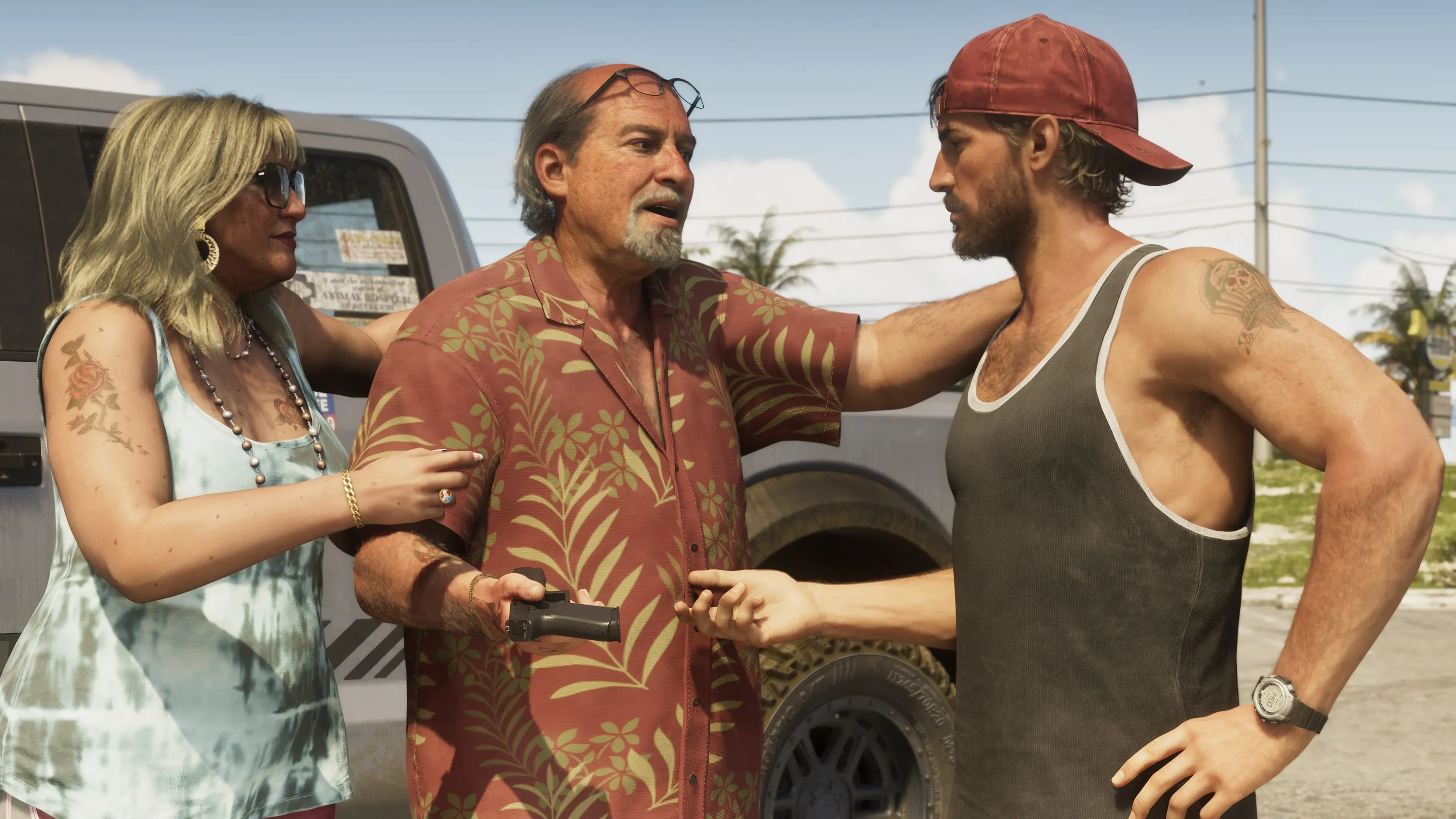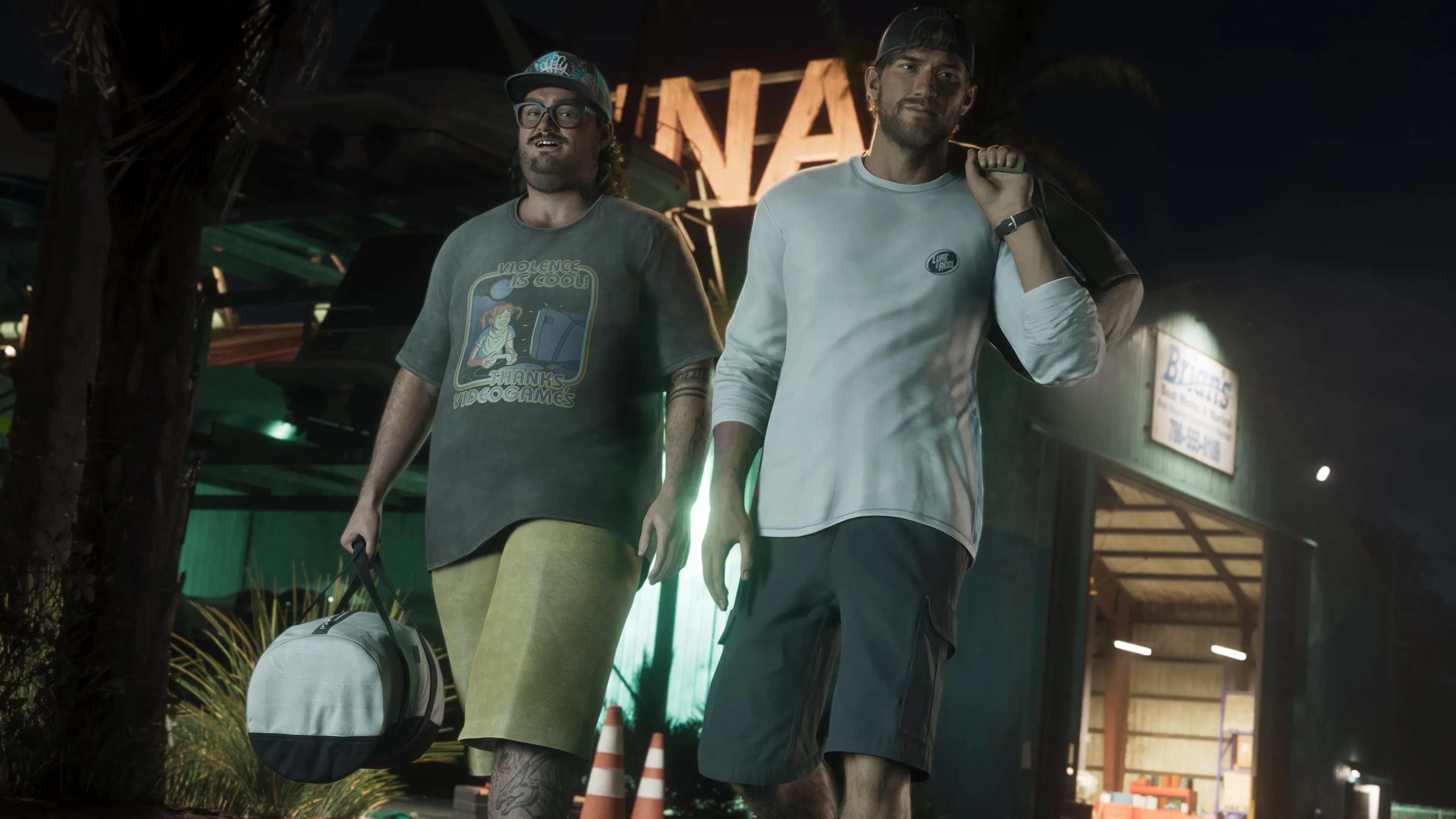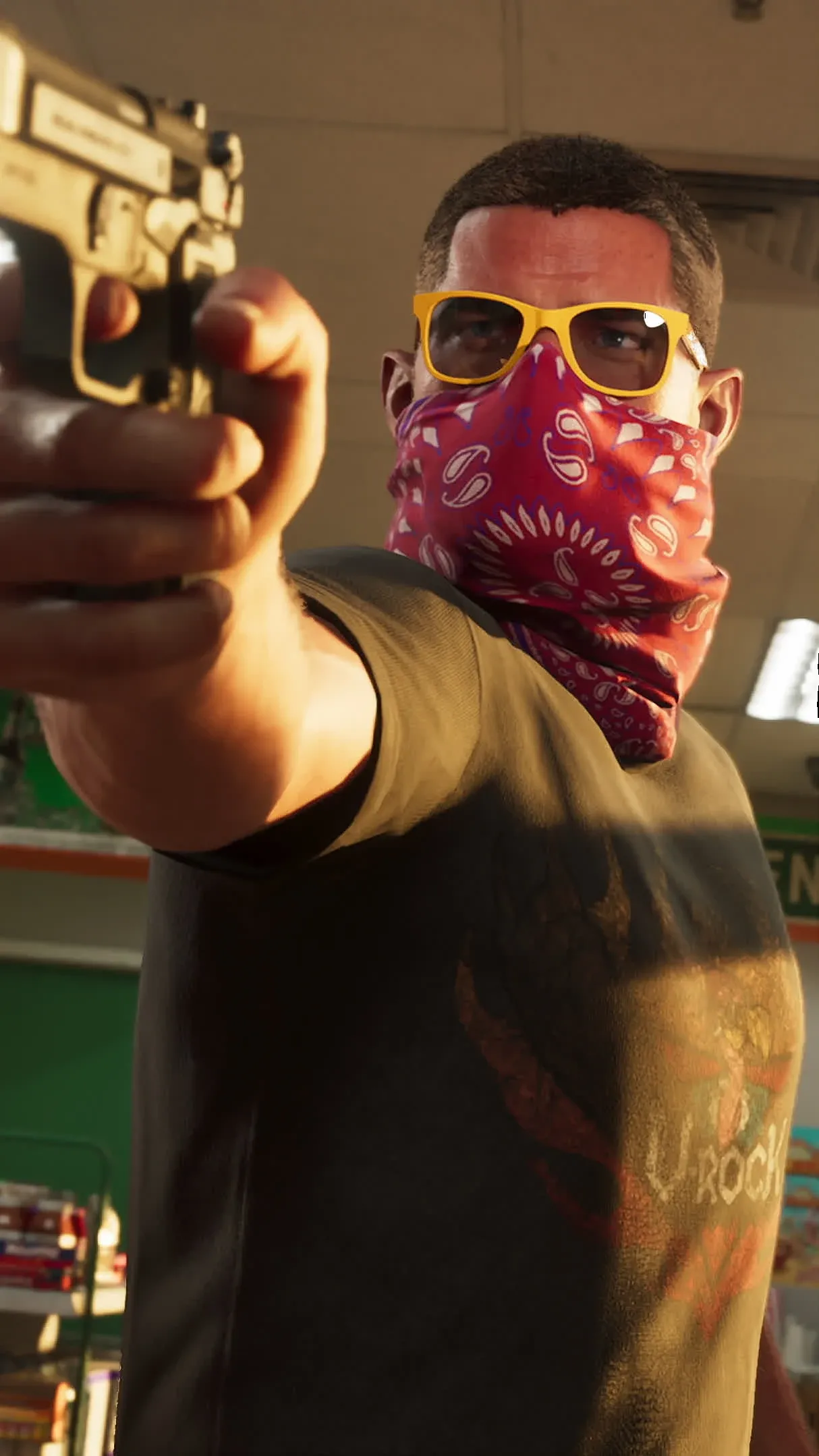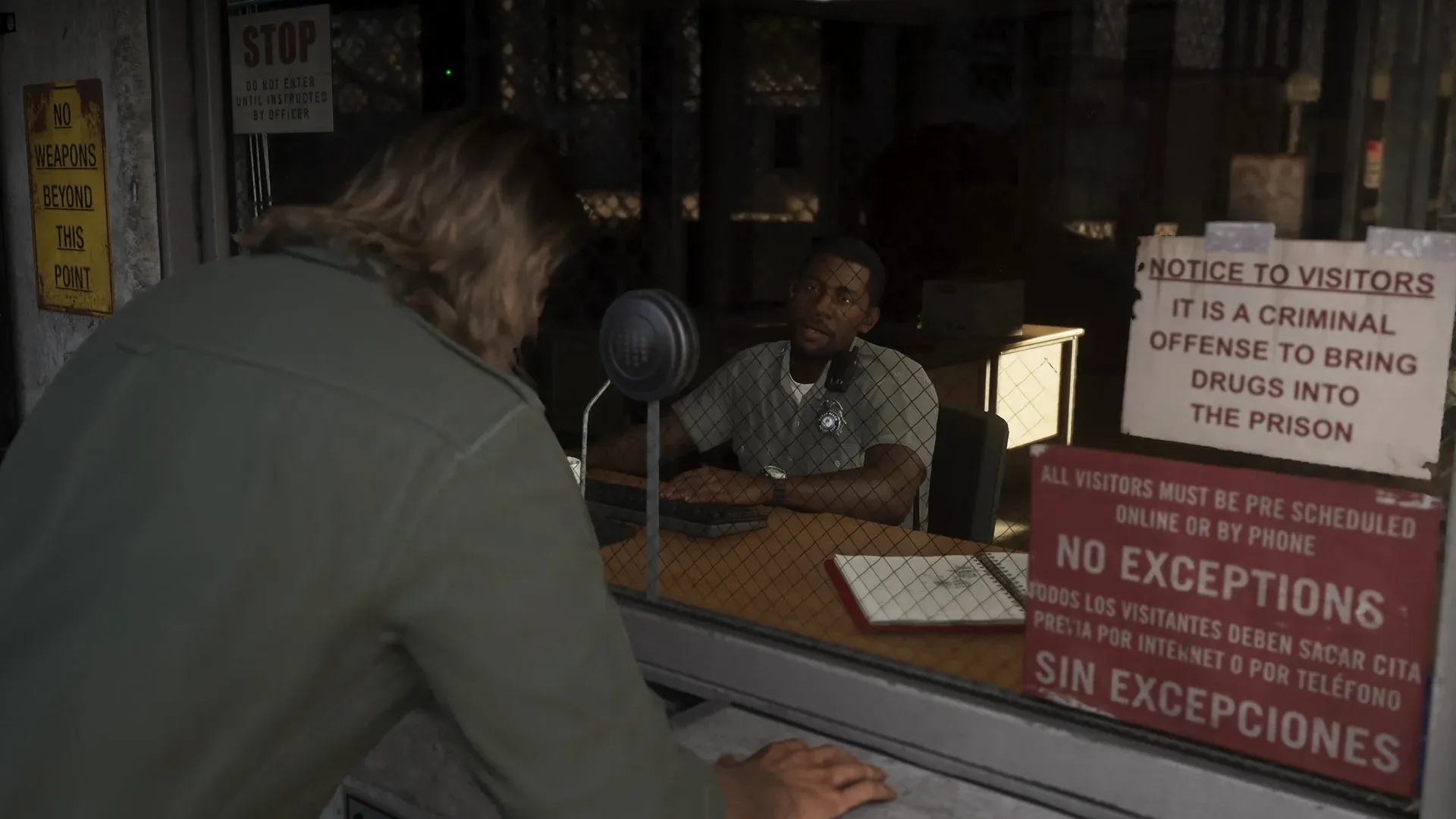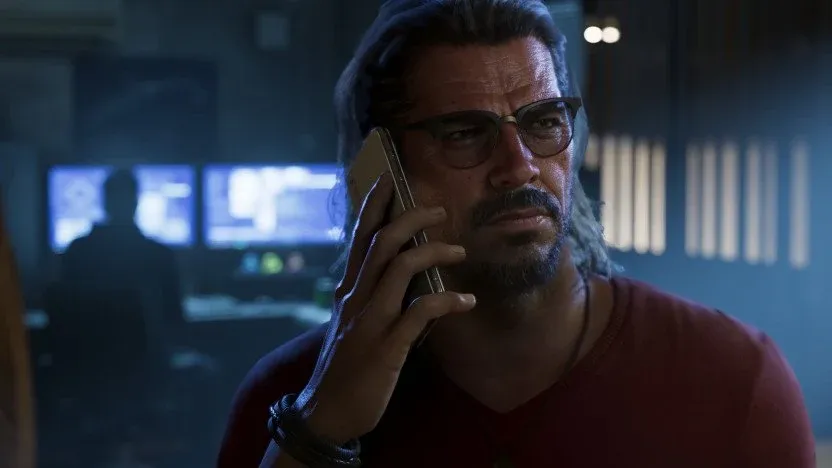


GTA 6 replaces GTA 5's three criminal leads with two, Jason Duval and Lucia Caminos, and moves the story to the fictional state of Leonida and its Vice City. The bigger change is how crime works day to day. Robberies can happen between story missions, and a new Heat system tracks how much police can identify you.
If you have never played, the series puts you in a big city where you drive, fight and commit crimes while following a story. Here is how the two games compare at launch:
| Difference | GTA 5 | GTA 6 |
|---|---|---|
| Setting | San Andreas, including Los Santos and Blaine County | Leonida and its Vice City |
| Playable characters | Michael De Santa, Franklin Clinton and Trevor Philips | Jason Duval and Lucia Caminos |
| Main story length | About 32 hours (estimate) | About 60 hours (estimate) |
| Story missions | 69 on the in-game checklist, plus branching variants | No official total |
| Wanted system | Five stars | Six stars, plus Heat |
| Robberies | Planned story heists and store holdups | Repeatable open-world robberies alongside story crimes |
| Properties you can buy | A range of businesses and properties | Garages only, at launch |
| Explorable interiors | Fewer | Substantially more |
| Phone | Smartphone, less central to managing your character | Health, online banking, contacts, transport and social media |
| Launch platforms | PlayStation 3 and Xbox 360 | PlayStation 5 and Xbox Series X and S |
| Online | GTA Online arrived two weeks after launch | Single-player at launch, no GTA Online mode |
| Frame rate target | 30 fps | 30 fps on launch consoles, with dips |
Leonida is a new map built around a modern Vice City, and how big the GTA 6 map is next to GTA 5 covers the size comparison.
Who You Play As: Jason and Lucia Instead of Michael, Franklin and Trevor
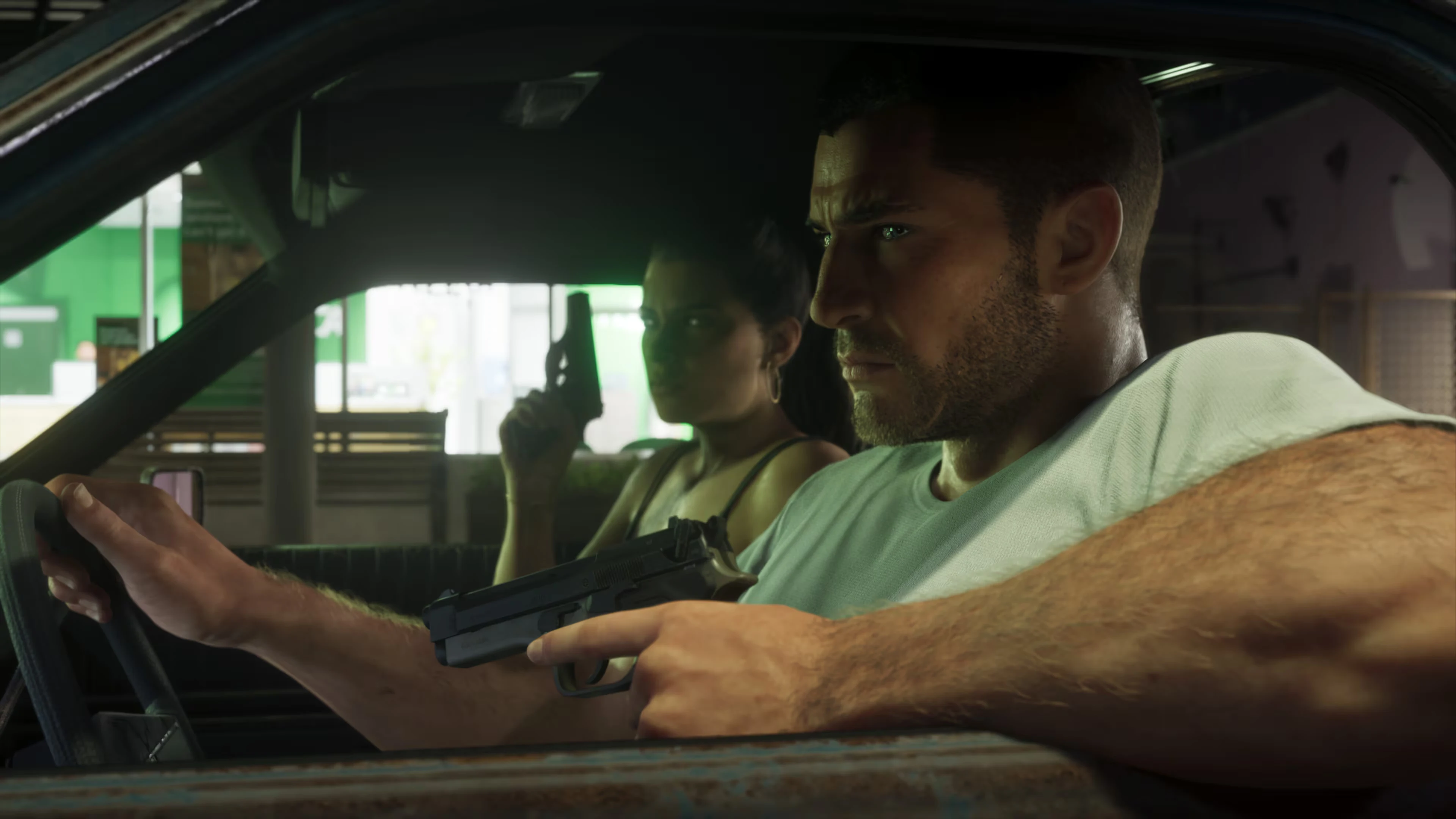
GTA 5 follows Michael De Santa, Franklin Clinton and Trevor Philips, and you can switch between all three, though some story restrictions apply during certain missions. GTA 6 has only two playable protagonists, Jason Duval and Lucia Caminos. You can switch between them once both are available, but some story sections and missions keep you on one perspective.
Two leads instead of three keep the story centered on one partnership. Switching between Jason and Lucia is quick, and their relationship shapes both the plot and some of the game's mechanics. The result is a story that stays close to two people rather than spreading time across three.
How Long the GTA 6 Story Runs and How Many Missions It Has
Estimates put a story-focused GTA 6 playthrough at around 60 hours, and GTA 5's main story at around 32 hours. These figures come from different playthroughs rather than a controlled test, so they show scale more than an exact comparison. Neither is an official duration, and runs that include side activities go much longer.
Rockstar has not announced an official mission total for GTA 6, and counts differ depending on whether each heist part is counted on its own. The GTA 6 mission count by chapter breaks it down.
GTA 5's in-game checklist shows 69 story missions, but branching routes can create extra mission variants on top of that. That means the two totals are not directly comparable.
How Heat and the Wanted System Work in GTA 6
GTA 5's wanted level tops out at five stars. GTA 6 brings back six stars and adds Heat, a layer that tracks how much police can identify you. The stars still show how big the police response is, while Heat decides whether officers know who they are looking for.
Police identification depends on several things at once:
- Your clothing and appearance
- The vehicle you are driving
- A visible weapon
- Your partner
- Witnesses
- CCTV footage
Changing clothes or vehicles can help break identification. Getting out of sight alone does not end the process, so it pays to think about what the police could still connect to you. A HUD tracks police awareness, which makes it easier to tell whether you are still on their radar. For the steps to shake a chase, see how to lose the cops and clear your wanted level.
Robberies and Fences: How Crime Works Outside the Story
GTA 5 is known for planned story heists, and it also lets you hold up stores. GTA 6 keeps its set-piece story crimes but puts more weight on robberies you can start anywhere in the open world. Gas stations, jewelry shops, banks and gang locations can all be targets, and each one asks for a different approach. The full list of robberies shows what is available.
Gas stations and jewelry shops can be hit between story objectives. Banks take more preparation and carry more risk. Before you move, you have to decide:
- How quietly you want to go in
- How you will handle witnesses
- How you plan to get away
Escape options are more flexible too, so you are not tied to one route out. The loot is where things get tricky. Stolen jewelry, marked bills and narcotics stay dangerous until you take them to a fence. Fences buy different categories of goods, and carrying loot or matching an identified description can keep you in trouble after the robbery is over.
Interiors and Properties: What You Can Enter and Own
GTA 6 has substantially more explorable interiors than GTA 5, so more of the city can be explored indoors. Not every building is confirmed as enterable, though, and not every interior you can enter has something to do inside. Treat a door as a possibility rather than a guarantee.
Property works differently too. In GTA 5, story characters can buy a range of businesses and properties that bring in recurring income or activities. At launch, GTA 6 is narrower: garages are the only property type you can buy, and the money loop leans on robbery proceeds, fences and selling vehicles instead. For how this fits with safehouses, see whether you can buy houses in GTA 6.
New Character, Vehicle and Phone Systems in GTA 6
GTA 6 adds a group of systems that connect to one another. Your Criminal Profile reacts to what you do in the open world, including how lethal you are. Actions in free roam count for more than mission actions, and the profile can reach a permanent extreme level.
Focus gives you another tool in fights, and you can incapacitate some enemies. Exercise boosts health, stamina and Focus, while eating and sleeping have their own effects on your character. You also carry a more limited set of weapons, and long guns are stored in a vehicle instead.
Cars play a bigger role as well. They can store long guns, outfits and carried loot, and they come with fuel, a tracker and registration to keep in mind. Your phone does more than handle calls and mission markers. It shows your health status, handles online banking and contacts, and covers transport. GTA 5 also has a smartphone, but it plays a smaller part in managing your character.
GTA 5's in-game internet includes satirical sites and apps such as Lifeinvader and Snapmatic. GTA 6 keeps Snapmatic references and adds modern social feeds and short-form video, including a social app that works much like Instagram.
Launch Platforms and Frame Rate: How GTA 6 Compares With GTA 5
GTA 5 first launched on PlayStation 3 and Xbox 360, and GTA Online arrived two weeks later. Later GTA 5 editions reached newer consoles and PC, but those were not its launch platforms. GTA 6 launched on PlayStation 5 and Xbox Series X and S as a single-player game, with no GTA Online mode.
GTA 6 targets 30 frames per second on its launch consoles, and it has no performance mode at launch. Performance is not identical across every console. The game can slow in dense areas and dip below 30 in demanding scenes. On Xbox, the pattern looks like this:
- Xbox Series X generally holds 30 fps, with some drops in busy chases and firefights.
- Xbox Series S often falls into the mid-20s during ordinary driving and combat, and can reach about 20 fps in the most demanding scenes.
GTA 5's original console versions also aimed for 30 fps, so the target itself is not what sets the two games apart.