

If you open the Roblox front page today, most games start to feel the same very quickly. You see bright, oversaturated colors, maps covered in studs to mimic an old-school look, and banners advertising weekend events you are supposed to join right now. Even if the games are different genres, the experience they offer often feels identical.
This is not accidental. Most front-page games are built around short-term retention. The goal is to spike player counts, stay visible in Roblox’s algorithm, and create urgency. What often gets sacrificed is long-term engagement. Once the excitement fades, there is little left to hold you.
That is where 99 Nights in the Forest feels different. It does not try to trap you with pressure or tricks. Instead, it gives you a reason to stay by making the act of playing itself engaging.
The real retention problem with front-page games
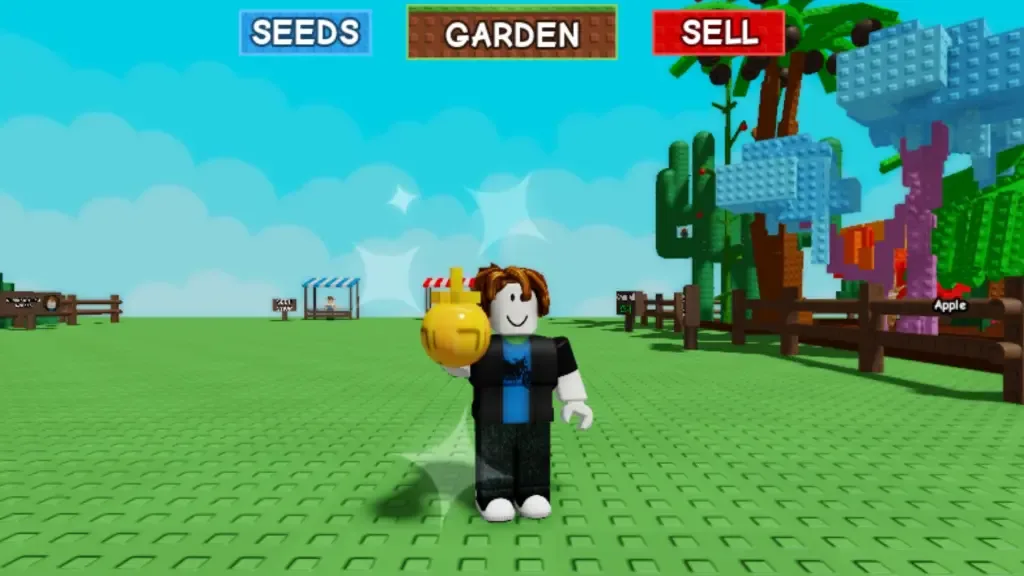
Games like Grow a Garden, Steal a Brain Rot, and Pet Simulator 99 look different on the surface, but they rely on the same underlying systems to keep players around.
The first is speed of production. Stud-style building is popular because it is fast to make and immediately signals nostalgia. A map like this can be built quickly and reused across updates. The problem is that these maps often feel visually noisy and shallow once you spend real time in them.
The second is artificial excitement through what players commonly call admin abuse. This is when a developer or admin joins the game and manually triggers special events, spawns rare items, or temporarily changes game rules. Player counts surge because everyone wants to be present for the moment. Once the event ends, the reason to stay disappears with it.
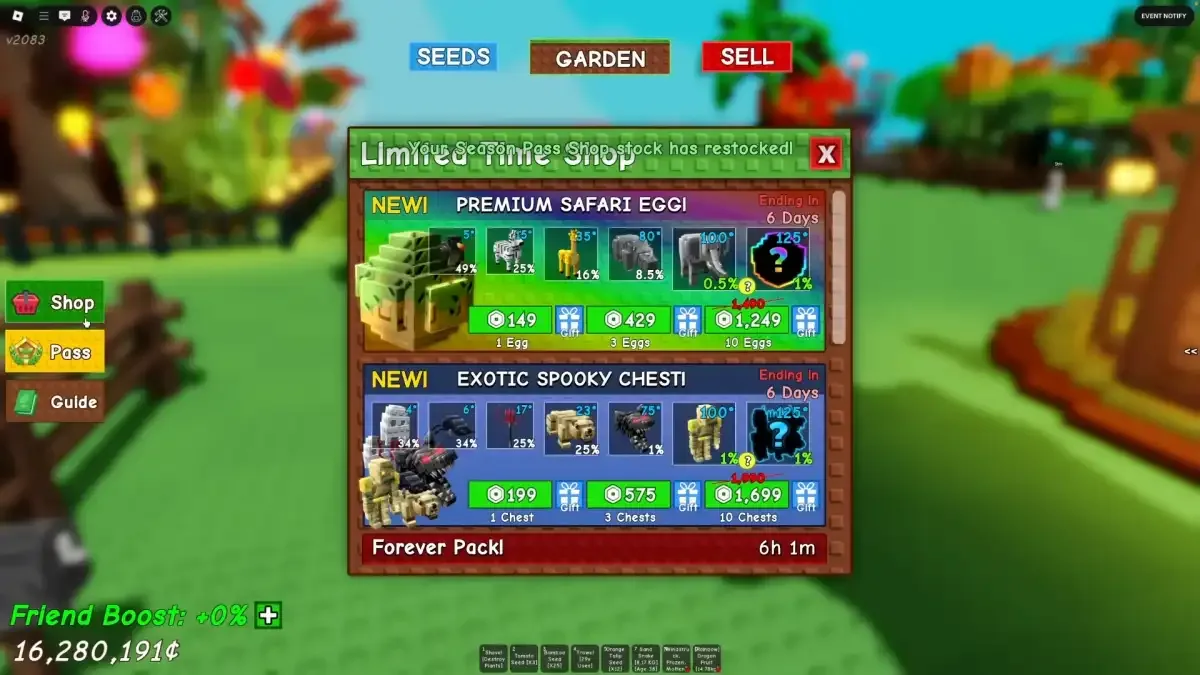
The third is monetized randomness. Many games ask you to open eggs, crates, or packs that promise rare rewards. Most openings give common items, while the best rewards sit behind extremely low chances. Shops rotate frequently, and the game constantly encourages you to try again, often using Robux. The system is designed to keep you chasing the next win.
Finally, all of this is wrapped in limited-time mechanics. Events happen on specific days. Shops reset. Items disappear. If you do not log in at the right time, you feel like you are falling behind. This creates anxiety-driven retention rather than genuine enjoyment.
A game loop designed for real engagement
99 Nights in the Forest starts with something many Roblox games no longer prioritize: a complete and understandable game loop.
You are placed in a hostile forest and given a clear objective. Survive 99 nights. Nights are dangerous, with limited visibility and real threats. Days are short and force you to make choices. Do you explore deeper into the forest, look for better gear, or focus on rescuing the missing kids scattered across the map?
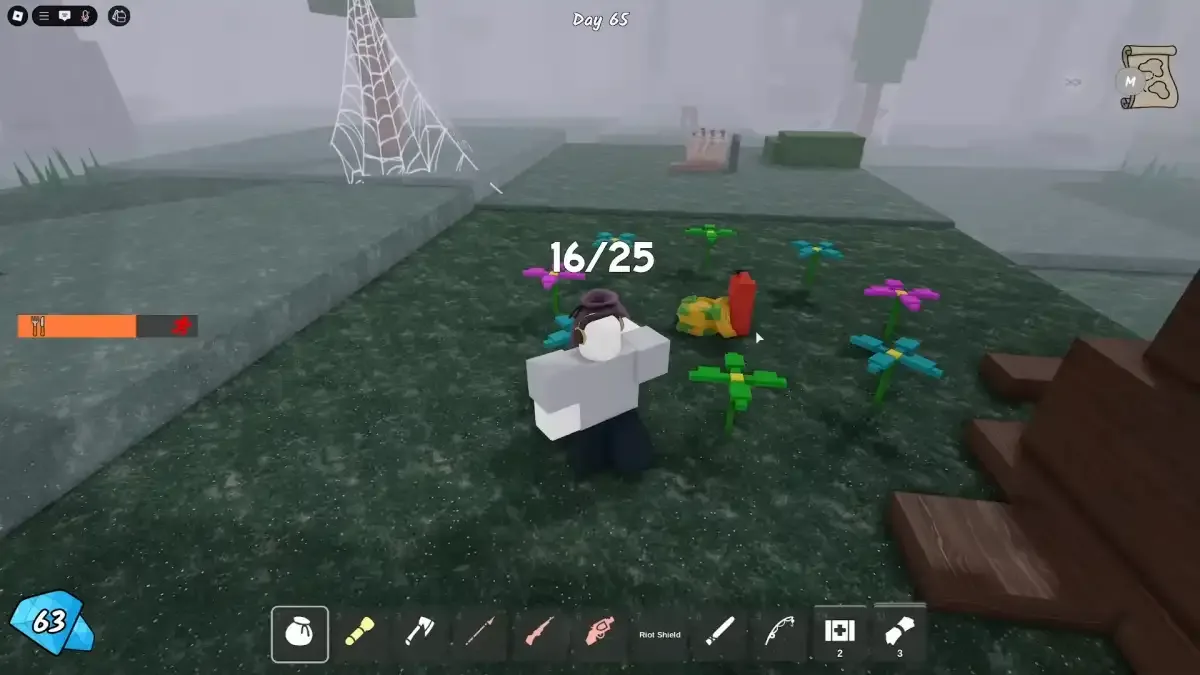
Those missing kids are not just collectibles. Rescuing them directly affects how long your run lasts. The faster you find them, the faster you progress. If you struggle, the run stretches longer. Your time investment is a direct result of how you play.
There is no external event speeding this up. The tension comes from time, risk, and decision-making. That structure naturally supports long play sessions instead of short, artificial spikes.
Visual design that actually helps retention
After spending time in many front-page games, visual fatigue sets in. Constant bright colors and stud-heavy surfaces make it harder to focus and more tiring to play for long periods.
99 Nights avoids this problem. Its visual style is closer to mid-2010s Roblox, with restrained textures, muted colors, and deliberate lighting. Fog during the day limits how far you can see. Nighttime darkness forces slower movement and careful planning.
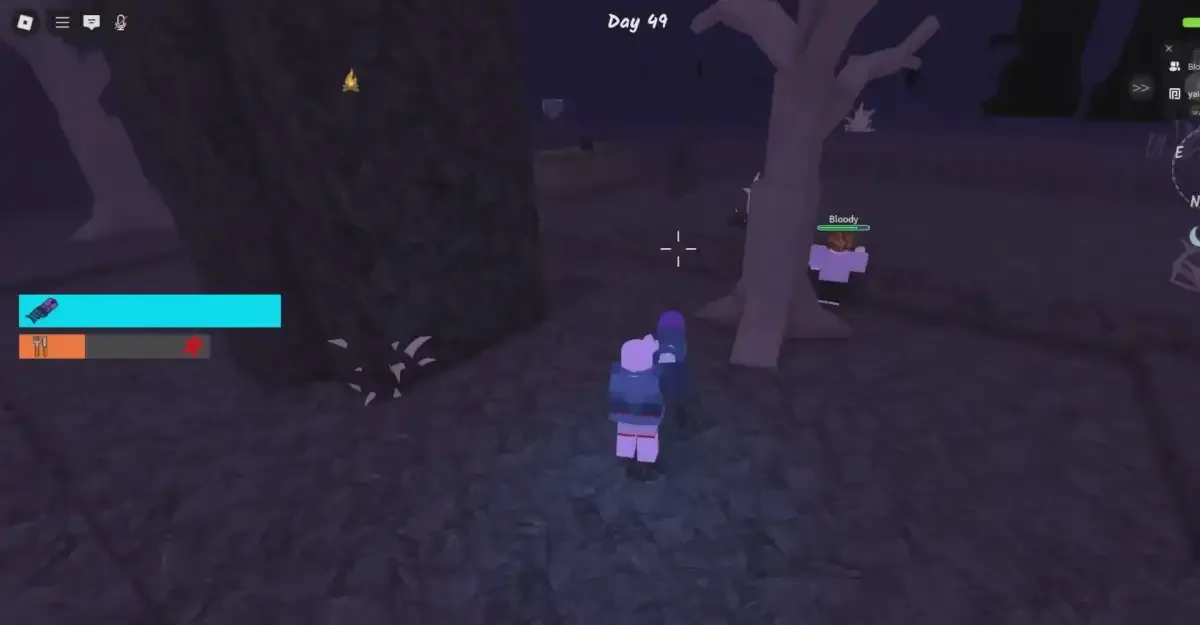
These choices are not just about aesthetics. They reduce visual noise, increase tension, and make the player more mentally engaged. That kind of environment encourages longer sessions without exhausting the player.
Why organic progression beats admin abuse
Admin abuse events work because they manufacture urgency. A developer joins, something rare happens, and players rush in so they do not miss out. When the admin leaves, the excitement collapses.
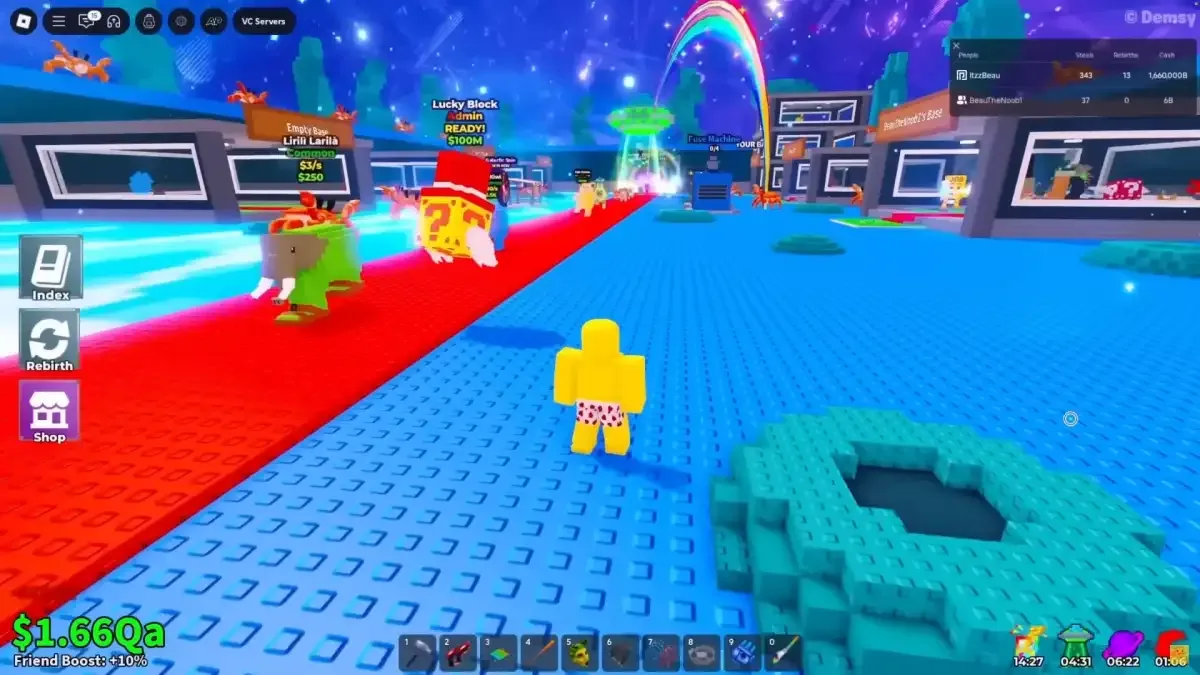
99 Nights does not need this because its progression is internal. Every night you survive feels earned. Every upgrade meaningfully changes how you approach the game. As your run continues, your attachment grows because your progress is personal.
You stay logged in because you care about your current run, not because an external event told you to be there.
Randomness that feels fair and understandable
In many Roblox games, randomness exists mainly to drive spending. You are encouraged to open eggs or crates with unclear odds. Most results are disappointing, but the promise of a rare item keeps you trying again. Over time, this turns play into a cycle of anticipation and frustration.
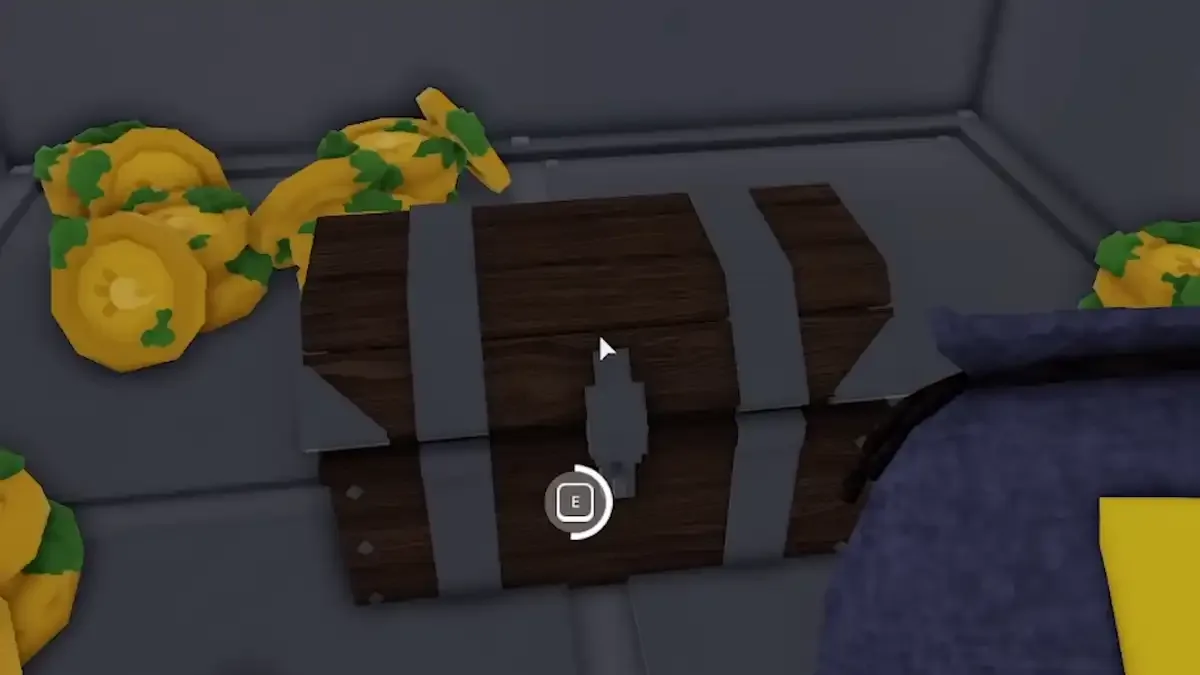
99 Nights uses randomness differently. RNG exists, but it is tied to exploration and survival. You find weapons, tools, sacks, and upgrades by moving through the forest, opening chests, and reaching new areas. A lucky find can change your strategy completely. An unlucky one forces you to adapt.
Crucially, none of this requires Robux. The excitement comes from discovery, not from pressure to spend. That makes the system feel fair and rewarding instead of manipulative.
Retention without fear of missing out
Many front-page games tell you exactly when to play. Miss an event and you lose progress, value, or access to limited items.
99 Nights largely avoids this. Events exist, but they are optional and integrated naturally into the world. The trick-or-treat mechanic, for example, works as a side activity that rewards exploration without becoming mandatory.
You can stop playing and return later without feeling punished. That freedom actually makes players more willing to come back.
Replayability driven by curiosity, not resets
Some games rely on artificial replayability. The core experience stays the same, but new loot or events are layered on top to simulate freshness.
99 Nights takes a different route. Procedurally generated maps, unexplained locations, and hidden interactions create genuine curiosity. You return because you want to understand what you missed, not because the game reset something.
That curiosity-based replay loop is far more sustainable in the long run.
Why this matters
99 Nights in the Forest highlights a larger issue with the Roblox front page. Many games optimize for visibility and short-term spikes instead of long-term engagement.
By focusing on a clear game loop, readable visuals, fair progression, and curiosity-driven replayability, 99 Nights shows that strong retention does not require manipulation. It respects your time and trusts the experience to keep you playing.
If more developers followed this approach, the Roblox front page would feel less exhausting and far more rewarding to explore.